

Osteoarthritis Treatment Options
Osteoarthritis Treatment Options
Osteoarthritis is the most common form of arthritis and a major cause of pain, reduced mobility and disability. The condition affects the entire joint and most commonly develops in the knees, hips, hands and spine.
There is currently no known cure for osteoarthritis. Instead, conventional care focuses on reducing symptoms, preserving function and improving overall quality of life.
Depending on the affected joint and severity of symptoms, treatment may include:
- Exercise and physical therapy
- Medications and supportive care
- Injections or other procedures
- Surgery for advanced osteoarthritis
These approaches cannot reverse the joint damage caused by osteoarthritis and instead focus primarily on managing symptoms. This limitation has led researchers to investigate whether regenerative medicine and other experimental treatments can influence the biological processes involved in joint degeneration and repair.
In this post, we provide a detailed overview of osteoarthritis treatment options, including conventional care, supportive therapies and emerging treatments.
Osteoarthritis Treatment Options: Quick Comparison
|
Approach category |
Approaches covered |
Typical role in care |
Key limitation |
|---|---|---|---|
|
Exercise and physical therapy; weight management |
The starting point and ongoing foundation of care for most patients |
Requires continued participation and does not restore lost cartilage |
|
|
Topical NSAIDs and capsaicin; oral NSAIDs, acetaminophen and duloxetine |
Added when first-line measures do not provide enough symptom relief |
Side effects may limit use, and medicines do not repair the joint |
|
|
Heat, cold and activity adjustment; assistive devices and joint protection |
Used alongside other care to manage flares and make daily activities easier |
Benefits are generally supportive or temporary |
|
|
Corticosteroid injections; hyaluronic acid injections |
Considered when other conservative options are unsuitable or insufficient |
Results vary, relief is usually temporary and recommendations differ by injection |
|
|
Radiofrequency denervation; genicular artery embolization |
Considered for selected patients with persistent knee pain |
Does not repair joint damage, and evidence varies by procedure |
|
|
Joint replacement; joint-preserving osteotomy |
Considered when symptoms substantially affect quality of life despite nonsurgical care |
Involves surgery, rehabilitation and potential complications |
|
|
Vitamin and nutrient infusions; PRP; prolotherapy; BMC; stem cells and cell-derived products such as MSEC |
Considered following individual medical evaluation or as part of research |
Evidence varies by approach, with regenerative effects still under investigation |
First-Line Osteoarthritis Treatments: Education and Self-Management
Osteoarthritis is a chronic condition with no cure. But that does not mean that symptoms will necessarily worsen over time. With the right lifestyle changes, many patients can manage the condition with minimal loss of function.
Managing the condition often involves:
- Understanding symptoms and flares
- Pacing activity without becoming inactive
- Knowing when reassessment is needed
- Setting treatment goals based on symptoms and physical function rather than imaging alone
For this reason, education and self-management are central to first-line care and typically include appropriate exercise and maintaining a healthy weight.
Exercise and Physical Therapy
Exercise may seem counterintuitive when a joint is already painful or stiff. But avoiding movement altogether can worsen stiffness and weaken the muscles supporting the joint. That’s why an exercise programme adapted to the affected joint and the patient’s ability is a core component of osteoarthritis care.
This may include:
- Local muscle strengthening
- Aerobic exercise
- Flexibility and range-of-motion exercises
- Balance training
- Aquatic exercise
Lower-impact activities such as walking, swimming, cycling and water aerobics may be easier on affected joints. Some discomfort can occur when beginning a new programme, but the benefits generally depend on consistent participation.
A physical therapist can guide the patient through the programme and help them progress safely. Manual therapy may also be used, but only alongside therapeutic exercise rather than as a replacement.
Weight Management
Excess body weight can increase the load on weight-bearing joints. As a result, patients with knee and hip osteoarthritis may be advised to lose weight when excess weight contributes to their symptoms.
Potential benefits of weight loss include:
- Reduced pain
- Improved mobility and physical function
- Better quality of life
There is no single weight-loss target that applies to every patient. Any amount of weight loss may help, although NICE advises that losing 10% of body weight is likely to provide greater benefit than 5%. In adults with overweight or obesity and knee osteoarthritis, one study estimated that each pound lost reduced the load on the knee joint by about four pounds per step.
Medicines for Osteoarthritis Pain
Medication may be used alongside exercise and other non-drug treatments when symptoms remain difficult to manage. These medicines may relieve pain or, in some cases, reduce inflammation, but they do not repair the joint or reverse existing damage.
The right medication depends on the affected joint, pain severity, general health and other drugs the patient is taking. Where possible, it should be used at the lowest effective dose for the shortest necessary period.
Topical Osteoarthritis Medicines
Topical pain relievers are applied directly over the painful joint and are often considered before oral medication for the knees, hands and other joints close to the skin. Depending on the product and country, some are available over the counter and others require a prescription.
Options may include:
- Topical nonsteroidal anti-inflammatory drugs (NSAIDs): Gels containing diclofenac or ibuprofen may help relieve osteoarthritis pain with lower systemic exposure than oral NSAIDs. However, they can still cause skin irritation or interact with other medications. They are generally less useful for deeper joints such as the hip.
- Capsaicin cream: Capsaicin works by reducing pain signals in the treated area. It may be considered for selected patients, although it can cause burning or skin irritation and may require regular use before providing relief.
Topical medicines may not provide enough relief for persistent pain. Although they are applied to the skin, they should still be used as directed and reviewed if irritation or other side effects develop.

Oral Osteoarthritis Medicines
When topical treatment is unsuitable or does not provide enough relief, oral medication may be considered. Because these medicines act throughout the body, their side effects and potential interactions require greater consideration.
Options include:
- Oral NSAIDs: Ibuprofen, naproxen and celecoxib can relieve pain and improve function. However, they can cause stomach irritation or gastrointestinal bleeding and increase the risk of kidney and cardiovascular complications. Some patients may also require medication to protect the stomach.
- Acetaminophen (paracetamol): This medicine provides limited relief on average but may be used infrequently when other options are unsuitable. Taking more than the recommended dose can cause liver damage.
- Duloxetine: This medicine may be considered for selected patients with chronic osteoarthritis pain, particularly when pain is widespread or influenced by how the nervous system processes it.
- Opioids: Opioids are generally avoided for routine osteoarthritis treatment because of their limited benefits and risks such as dependence, sedation, falls and overdose.
Oral medicines are not suitable for every patient and should be reviewed if they do not provide meaningful relief. The goal is to balance symptom control against potential risks rather than continue medication indefinitely without reassessment.
Supportive and Complementary Osteoarthritis Treatments
Supportive and complementary treatments may be used alongside exercise and medication, but they are not all backed by the same level of evidence. Some may provide temporary relief or make daily activities easier.
Herbal or dietary supplements are also marketed for osteoarthritis, but evidence is limited and they may interact with prescription medications.
Heat, Cold and Other At-Home Pain Relief
Simple at-home treatments may help manage discomfort or symptom flares. Options include:
- Heat: Heating pads, warm baths or other heat sources may relax surrounding muscles and temporarily relieve stiffness.
- Cold: A cold pack may ease pain or swelling following physical activity.
- Activity adjustment: Patients may need to reduce certain activities during a flare. However, continued gentle movement is generally preferred over complete joint rest.
Heat and cold therapies should be applied safely with protection between the skin and the source. Supportive sleep positioning and cognitive behavioural approaches may also help some patients manage chronic pain. These at-home strategies provide temporary symptom relief rather than changing the underlying joint damage.
Transcutaneous electrical nerve stimulation (TENS) is also marketed for pain relief, but evidence of benefit for osteoarthritis is insufficient and it is not routinely recommended.
Assistive Devices and Joint Protection
Assistive devices can reduce pressure on affected joints or make everyday tasks easier. Depending on the patient, options may include:
- Walking aids: Canes, walking sticks, crutches and walkers can improve stability while reducing the load placed on lower-limb joints.
- Joint supports: Knee braces, hand splints, taping, orthoses or appropriate footwear may help selected patients with instability or abnormal loading.
- Daily-living aids: Gripping tools, kitchen aids, shower seats, raised seating and workplace modifications can help patients remain independent.
Braces and supports are not routinely needed for every patient and should not unnecessarily restrict movement or muscle use. A physical or occupational therapist can help select and properly fit devices for the affected joint and recommend home or workplace modifications.
Joint Injections for Osteoarthritis
Joint injections may be considered when exercise, medication and other conservative treatments do not provide enough relief or are unsuitable. They deliver treatment directly into the affected joint, but the results vary between patients.
These injections are used to manage symptoms.
Corticosteroid Injections
Corticosteroid injections, often called steroid injections, deliver anti-inflammatory medication directly into the affected joint to reduce joint inflammation. They may be considered when:
- Topical or oral medication has not provided enough relief
- Other medication is unsuitable
- Pain interferes with therapeutic exercise
- Short-term symptom relief is needed
Corticosteroid injections may relieve pain and stiffness and improve function. However, the response varies between patients, with any expected benefit lasting approximately 2 to 10 weeks.
Potential risks include a temporary pain flare, infection, bleeding, tissue changes or elevated blood sugar. Repeated injections may adversely affect cartilage, so their frequency is normally limited according to the affected joint and the patient’s individual risk.
Hyaluronic Acid Injections
Hyaluronic acid is a gel-like substance related to a natural component of joint fluid. These injections are also called hyaluronan injections, viscosupplementation or lubrication injections and are most commonly discussed for knee osteoarthritis.
The goal is to improve the properties of the joint fluid and reduce symptoms. However, patient response varies, and studies have used different products, molecular weights and injection schedules. This makes the results difficult to compare.
Guideline recommendations vary. Hyaluronic acid injections are generally not recommended for hip osteoarthritis or routine knee osteoarthritis treatment, although they may be considered for selected patients with persistent knee symptoms.
Non-Surgical Procedures for Persistent Osteoarthritis Pain
Some patients continue to experience pain when exercise, medication and joint injections do not provide enough relief. In selected cases, a non-surgical procedure may then be considered.
These procedures target different sources of pain and are not routine treatments for every patient. Their main purpose is to reduce symptoms rather than repair cartilage or stop osteoarthritis progression.
Radiofrequency Denervation
Radiofrequency denervation targets sensory nerves that carry pain signals from the knee. A probe delivers radiofrequency energy to selected nerves, commonly the genicular nerves, using conventional, cooled or pulsed techniques.
The procedure may be considered for persistent knee pain after conservative treatment has been unsuccessful. NICE found good evidence for short-term pain relief and states that the procedure may be used under standard clinical arrangements. However, it should only be performed by a clinician with specific training.
Possible risks include numbness, bruising, bleeding, infection or nerve injury.
A related technique, basivertebral nerve ablation, applies the same principle to the basivertebral nerve in selected patients with chronic vertebrogenic low-back pain, including pain associated with Modic changes.
Discover basivertebral nerve ablation and other back-pain treatments at ANOVA IRM.
Genicular Artery Embolization
Genicular artery embolization is a catheter-based procedure that targets selected blood vessels around the knee. An interventional radiologist delivers small particles intended to reduce abnormal blood flow and joint inflammation associated with knee osteoarthritis pain.
Professional positions on the procedure continue to evolve. NICE found no major short-term safety concerns but concluded that evidence for effectiveness and long-term safety was insufficient for use outside research. A 2026 position statement from the Society of Interventional Radiology supports GAE for selected patients who have failed conservative treatment and are not candidates for, or wish to delay, knee replacement surgery. However, it also calls for larger randomized trials.
Questions remain about patient selection, long-term durability and possible effects on later surgery. GAE is therefore not yet treated as established osteoarthritis care in every country or healthcare system.
Surgical Treatment Options for Osteoarthritis
Surgery may be considered when severe symptoms substantially affect quality of life and appropriate non-surgical treatments have not provided enough relief. Referral should be based on the patient’s pain and loss of function rather than imaging severity alone.
The most appropriate procedure depends on the affected joint, where the damage is located and the patient’s health and activity goals. The expected improvement must also be weighed against the demands and risks of surgery.
Joint Replacement Surgery
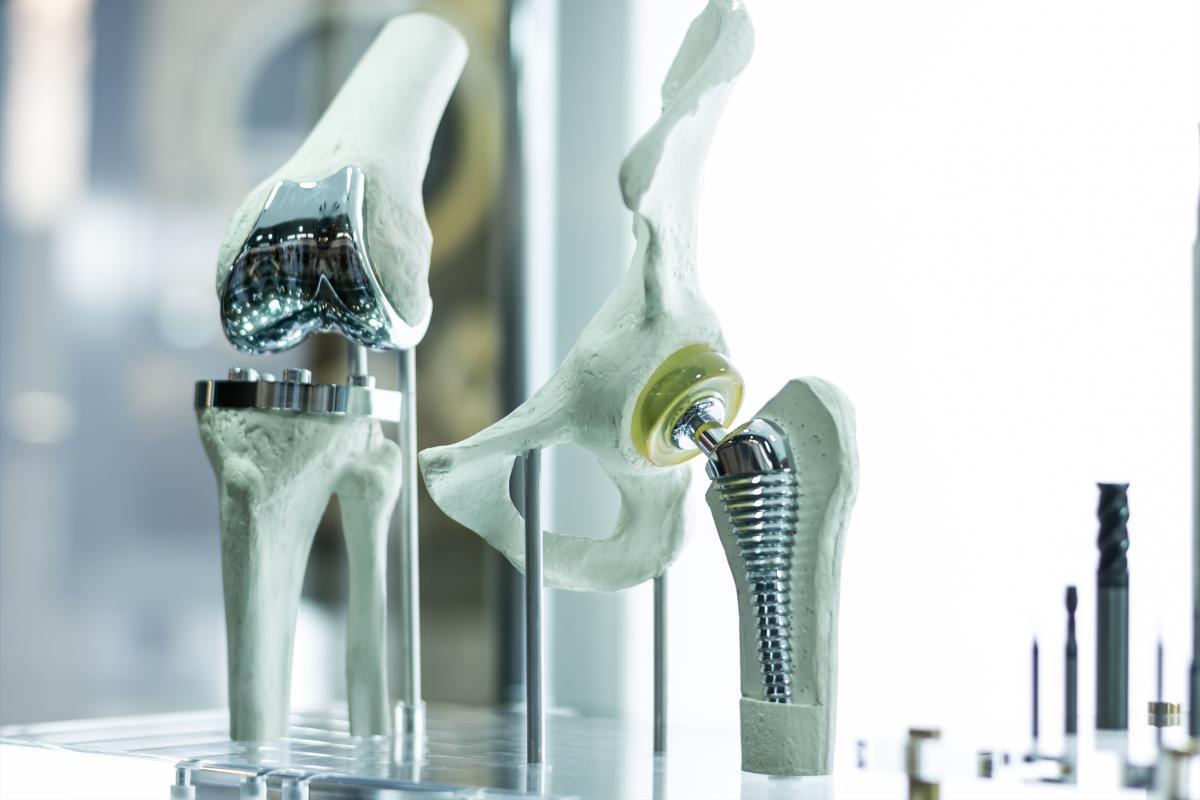
Joint replacement is most commonly used for severe osteoarthritis affecting the hip or knee, although shoulder, ankle, hand and other joints may also be replaced. Depending on the extent of the damage, knee surgery may involve replacement of the entire joint or only the affected part.
During surgery, damaged joint surfaces are removed or resurfaced and replaced with artificial components. Potential benefits include:
- Reduced pain
- Improved mobility and daily activity
- Better quality of life
Joint replacement is still major surgery. Risks include infection, blood clots, implant instability or loosening, persistent pain and the possible need for revision surgery. Patients must also be prepared for rehabilitation, and some may continue to experience symptoms after surgery.
Joint-Preserving Osteotomy
An osteotomy involves adding or removing a wedge of bone to change the alignment of a joint. This shifts weight away from the most damaged area and toward a healthier part of the joint.
The procedure is most often discussed for patients with one-sided knee damage or abnormal alignment. It may be particularly relevant for selected younger or more active patients who are not yet ideal candidates for joint replacement.
Suitability depends on the location of the damage, remaining cartilage and stability of the surrounding ligaments. Recovery requires rehabilitation, and an osteotomy does not rule out the need for joint replacement later.
Experimental and Regenerative Treatments for Osteoarthritis
Experimental treatments are being studied for their potential effects on osteoarthritis pain, joint function, disease progression and cartilage-related processes. The available evidence varies according to the treatment and outcome being assessed.
Published research provides the scientific rationale for continued investigation. Treatment selection depends on the patient’s condition, the evidence for the specific approach and how it may fit alongside established osteoarthritis care.
Vitamin and Nutrient Infusion Therapy
Vitamin and nutrient infusions may be used as a supportive measure based on the patient’s individual needs. The composition, dosage and duration of any infusion programme should be determined following a medical assessment.
Their role is supportive and based on the patient’s individual medical needs rather than intended to act as a direct disease-modifying treatment for osteoarthritis.
Platelet-Rich Plasma and Other Investigational Injections
Several injection-based treatments are being studied for osteoarthritis. Although they are sometimes grouped together, they use different materials and work in different ways.
Options include:
- Platelet-rich plasma: PRP is prepared from the patient’s blood and contains concentrated platelets that release growth factors and signalling proteins. Some studies suggest improvements in knee pain and function, but results and guideline recommendations remain mixed.
- Prolotherapy: This involves injecting an irritant solution into or around the joint with the aim of stimulating a healing response. Evidence supporting its use for osteoarthritis remains limited.
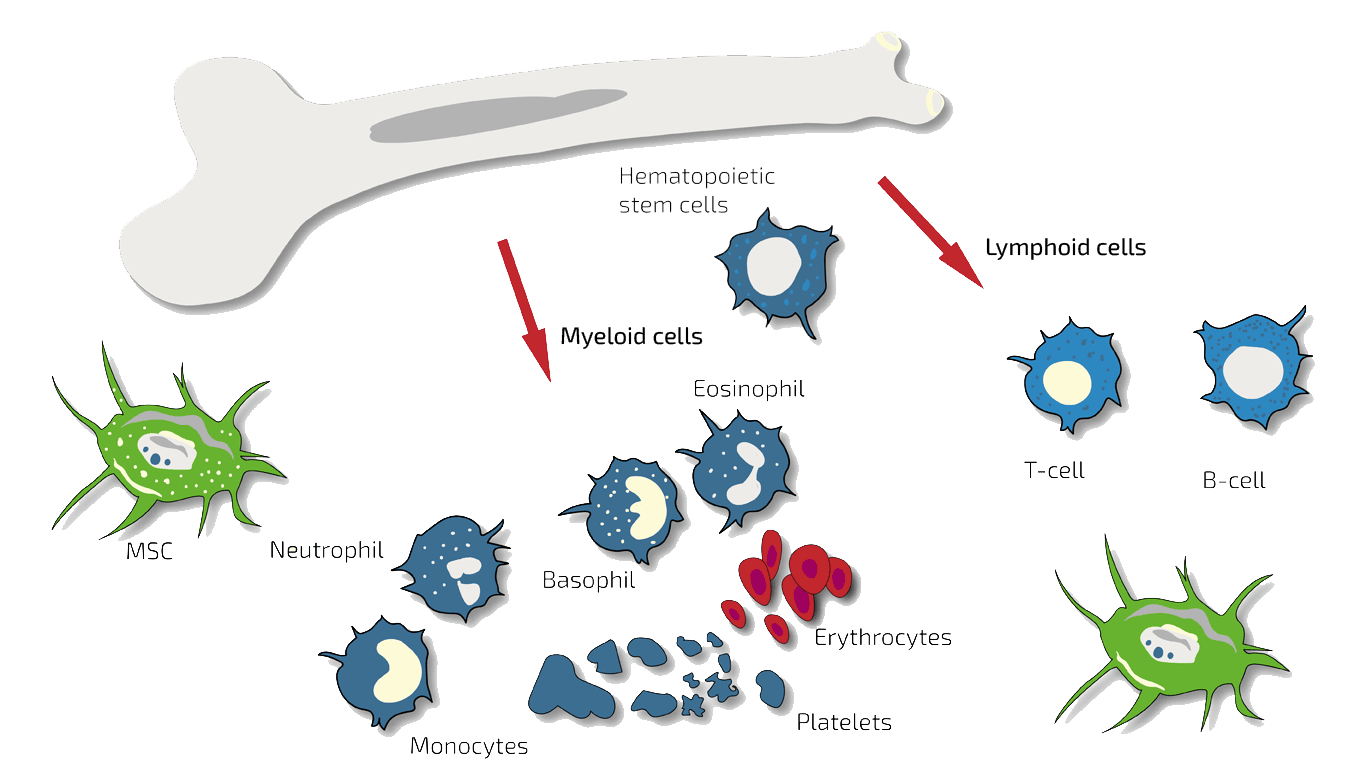
- Bone marrow concentrate: BMC is prepared from the patient’s bone marrow and contains a mixture of cells, platelets and signalling factors. It differs from PRP, prolotherapy and laboratory-produced stem cell secretome treatments.
Products and injection protocols can vary considerably between providers and studies, so findings for one preparation cannot automatically be applied to another.
Stem Cell and Regenerative Medicine Research
Osteoarthritis research generally focuses on mesenchymal stromal or stem cells and the biological substances they release. Treatments being studied may use cells or materials obtained from adipose tissue, bone marrow, umbilical tissue or other sources.
Researchers are examining whether these approaches may influence inflammation, immune signalling, cartilage-cell activity and the wider joint environment. Studies use different preparation methods, doses and treatment schedules and include patients with different affected joints and stages of osteoarthritis.
Preclinical research has reported anti-inflammatory and cartilage-related effects, while some clinical studies have reported possible improvements in pain or function. These findings provide a scientific rationale for the continued evaluation of stem-cell-based and cell-derived approaches in osteoarthritis.

ANOVA’s BMC and MSEC Treatments for Osteoarthritis
ANOVA works with two autologous regenerative approaches for osteoarthritis:
- Bone Marrow Concentrate: For localized osteoarthritis affecting joints such as the knee, hip or elbow, ANOVA primarily considers BMC. Bone marrow is collected from the patient’s iliac crest, concentrated without cultivating the cells and applied directly to the affected joint.
- Mesenchymal Stem Cell Secretome: MSEC is a cell-free treatment produced from cultivated adipose-derived mesenchymal stem cells and administered intravenously. It contains extracellular vesicles, including exosomes, and other signalling molecules. MSEC may be considered alongside BMC, particularly when osteoarthritis affects multiple joints.
These treatments are not interchangeable. BMC contains a mixture of the patient’s bone marrow cells and signalling factors, while MSEC contains substances released by cultivated mesenchymal stem cells rather than the living cells themselves.
Learn more about the evidence, eligibility criteria, treatment workflow and limitations on our Stem Cell Therapy for Osteoarthritis page.
Ask ANOVA Whether Experimental Regenerative Treatment May Be Relevant to Your Case
If established osteoarthritis treatments have not provided enough relief, or you are curious about BMC or MSEC therapy, you can schedule an appointment with ANOVA’s medical specialists to discuss the potential benefits, risks and limitations for your case.
Each case is reviewed individually based on symptoms, functional limitations, treatment history, imaging and other relevant medical factors.
BMC and MSEC remain developing medical approaches. The available evidence varies by treatment and outcome, and suitability is determined through an individual medical assessment.
Frequently Asked Questions About Osteoarthritis Treatment
What Is the Best Treatment for Osteoarthritis?
There is no single best treatment for every patient. The appropriate approach depends on the affected joint, symptom severity, physical function and overall health. Most treatment plans begin with exercise, education and weight management where relevant, with medication or other treatments added when needed.
What Is the First-Line Treatment for Osteoarthritis?
First-line osteoarthritis management usually includes education, self-management and an exercise programme adapted to the affected joint. Weight management is also important for patients who are overweight or obese. These measures remain part of osteoarthritis care even if medication or other treatments are later introduced.
Can Osteoarthritis Be Reversed or Cured?
There is currently no known cure for osteoarthritis, and lost cartilage cannot reliably be restored. However, symptoms can often be managed, and the condition does not necessarily worsen at the same rate in every patient. Treatment focuses on reducing pain and maintaining joint function for as long as possible.
Can Osteoarthritis Be Treated Without Surgery?
Yes. Many patients manage osteoarthritis without surgery through exercise, physical therapy, weight management, medication, injections and supportive treatments. Surgery is generally considered when symptoms continue to substantially affect daily life despite appropriate nonsurgical care.
Is Walking Good for Osteoarthritis?
Walking is often a suitable low-impact activity for osteoarthritis. It can help maintain mobility and strengthen the muscles supporting the joint. Patients may need to begin gradually, adjust their distance during symptom flares or use a walking aid when necessary.
How Long Do Osteoarthritis Injections Last?
The duration depends on the injection and the individual patient. Corticosteroid injections generally provide short-term relief, often lasting between 2 and 10 weeks. Relief from hyaluronic acid, PRP and other injections is less predictable and may range from little or no improvement to several months.
When Is Joint Replacement Considered for Osteoarthritis?
Joint replacement may be considered when pain, stiffness or reduced mobility substantially affects quality of life and nonsurgical treatment has not provided enough relief. The decision should be based on the patient’s symptoms, function and overall health rather than imaging findings alone.
Is Stem Cell Therapy Proven to Treat Osteoarthritis?
Stem-cell-based therapies are developing approaches rather than a single standardized treatment. Some studies have reported possible improvements in pain or function, but products and treatment protocols vary considerably.
ANOVA applies BMC and MSEC in selected patients following an individual medical evaluation.
References and Literature
- National Institute for Health and Care Excellence (NICE). Osteoarthritis in Over 16s: Diagnosis and Management. NICE guideline NG226. 2022.
- Messier SP, Gutekunst DJ, Davis C, DeVita P. Weight Loss Reduces Knee-Joint Loads in Overweight and Obese Older Adults With Knee Osteoarthritis. Arthritis & Rheumatism. 2005;52(7):2026–2032.
- Kolasinski SL, Neogi T, Hochberg MC, et al. 2019 American College of Rheumatology/Arthritis Foundation Guideline for the Management of Osteoarthritis of the Hand, Hip, and Knee. Arthritis Care & Research. 2020;72(2):149–162.
- National Institute for Health and Care Excellence (NICE). Radiofrequency Denervation for Osteoarthritic Knee Pain. HealthTech guidance HTG686. 2023.
- National Institute for Health and Care Excellence (NICE). Genicular Artery Embolisation for Pain From Knee Osteoarthritis. HealthTech guidance HTG595. 2021.
- Ahmed O, Taslakian B, Okuno Y, et al. Society of Interventional Radiology Position Statement on Genicular Artery Embolization for Symptomatic Knee Osteoarthritis. Journal of Vascular and Interventional Radiology. 2026;37(7):108803.
- Whittle SL, Johnston RV, McDonald S, et al. Stem Cell Injections for Osteoarthritis of the Knee. Cochrane Database of Systematic Reviews. 2025;4.
Contraindications
Our stem cell treatments are experimental, but we only treat patients for whom we believe the risk/benefit ratio indicates treatment based on the state of the art, i.e., medical, scientific evidence.
Please understand that we therefore do not treat patients for whom the following points apply:
- Active cancer in the last two years
- Not yet of legal age
- Existing pregnancy or lactation period
- Unable to breathe on own, ventilator
- Difficulty breathing in supine position
- Dysphagia (extreme difficulty swallowing)
- Psychiatric disorder
- Active infectious disease (Hepatitis A, B, C, HIV, Syphilis, or other)