

Erectile Dysfunction Treatment Options
Erectile Dysfunction Treatment Options
Erectile dysfunction (ED) is one of the most common sexual health problems men report to their physicians, affecting approximately 50% of men between the ages of 40 and 70 to some degree.
ED can result from a variety of factors, including:
- Physical causes, such as nerve damage following surgery
- Problems affecting the blood vessels and circulation
- Chronic health conditions
- Mental health factors, such as stress, anxiety or depression
- Substance use
- Side effects of certain medications
Because the cause can vary significantly, so can the most appropriate treatment. Medication is the most common approach, but other established treatments are available, alongside several emerging and experimental options.
This guide explores the different erectile dysfunction treatment options, from conventional therapies to emerging and experimental treatments.
Erectile Dysfunction Treatment Options: Quick Comparison
|
Treatment option |
Main role |
Usually considered when |
Key consideration |
|---|---|---|---|
|
Address contributing health and lifestyle factors |
As part of initial and ongoing treatment |
May not resolve ED alone |
|
|
Address psychological contributors to ED |
When anxiety, stress or relationship factors contribute |
Benefits depend on the cause and may take time |
|
|
Increase penile blood flow during sexual stimulation |
Usually as first-line medication |
Cannot be used with nitrates and do not work for everyone |
|
|
Treat confirmed testosterone deficiency |
When symptoms and blood tests show low testosterone |
Unlikely to help when testosterone levels are normal |
|
|
Draw blood into the penis and maintain the erection |
When medication is unsuitable or not preferred |
Can reduce spontaneity and cause discomfort or bruising |
|
|
Increase blood flow directly within penile tissue |
When oral medication is unsuitable |
Generally less effective than penile injections |
|
|
Deliver medication directly into erectile tissue |
When oral medication is ineffective or unsuitable |
Require training and carry a risk of priapism (a prolonged erection) |
|
|
Provide mechanically controlled rigidity |
When less-invasive treatments are unsuccessful |
Permanently alters erectile anatomy and carries surgical risks |
|
|
Target penile blood flow |
Selectively for vasculogenic ED |
Evidence and long-term durability remain uncertain |
|
|
Investigate vascular and tissue-repair signalling |
Primarily in research settings |
Experimental, with protocols varying between studies |
|
|
Investigate vascular, neurological and tissue signalling |
At ANOVA, following individual medical review |
Experimental and being investigated for its potential effects on erectile function |
Lifestyle Changes and Managing Underlying Conditions
ED treatment often begins with lifestyle changes and management of contributing health conditions.
Maintaining an erection depends on cardiovascular and metabolic health, both of which affect penile blood flow. Conditions such as high blood pressure, diabetes and high cholesterol can interfere with this process, while poor sleep and chronic stress may worsen symptoms.
For this reason, initial lifestyle recommendations may include:
- Regular physical activity
- Maintaining a healthy weight and waistline
- A heart-healthy diet
- Quitting smoking
- Limiting excessive alcohol consumption
- Avoiding recreational drugs
A physician may also review whether current medications could be contributing to ED. However, patients should never stop or adjust prescribed medication without medical guidance.
ED can also be an early sign of cardiovascular disease, so new or persistent symptoms should be medically evaluated.
Psychological and Psychosexual Therapy
Approximately 10% to 20% of ED cases are caused primarily by psychological factors.
When psychological factors are the primary cause, this is known as psychogenic ED and may be connected to performance anxiety, general anxiety, depression or stress.
Treatment may include:
- Psychosexual education
- Cognitive behavioural therapy
- Sex therapy
- Individual counselling
- Couples counselling
Medication may also be prescribed while psychological treatment aims to address the underlying cause.
Oral Erectile Dysfunction Medications
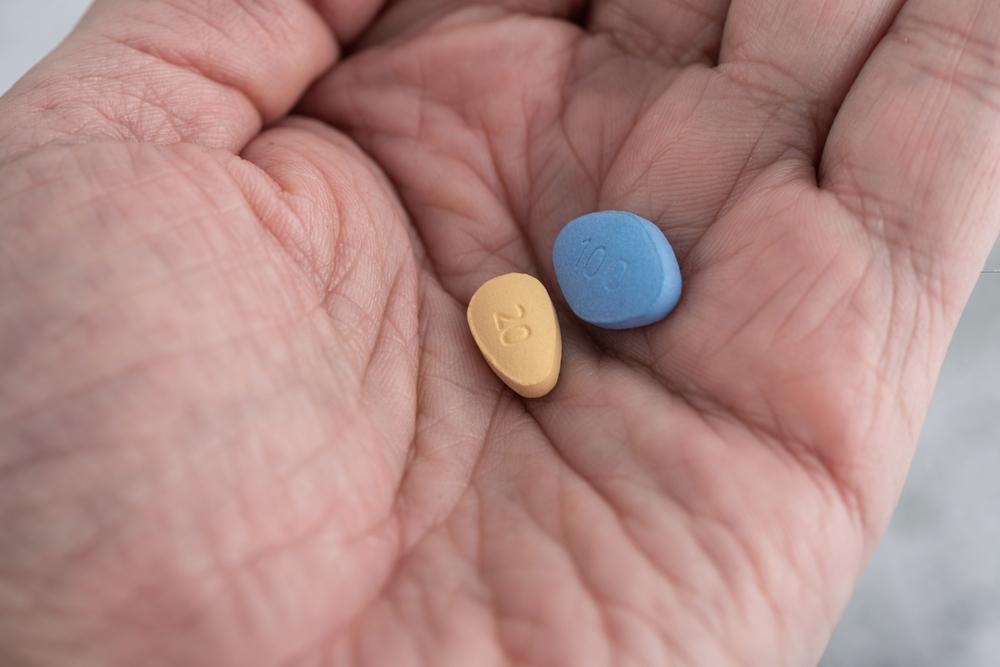
Beyond lifestyle changes and psychological support, phosphodiesterase type 5 inhibitors (PDE5 inhibitors) are the most common oral medications for ED and are usually the first drugs prescribed.
They include:
- Sildenafil (Viagra)
- Tadalafil (Cialis)
- Vardenafil (Levitra)
- Avanafil (Spedra)
These medications do not automatically produce an erection or directly increase sexual desire. Instead, they increase blood flow to the penis, while sexual stimulation is still required to trigger an erection.
PDE5 inhibitors can be effective in up to 80% of men, depending on the medication, dose and cause of ED. Possible side effects include headaches, nasal congestion, indigestion and muscle aches.
These medications should not be taken with nitrate drugs used to treat chest pain, as the combination can cause a dangerous drop in blood pressure. A physician should also review the use of alpha-blockers for prostate problems or high blood pressure because combining the medications can have additive effects on blood pressure.
Inform your doctor of all prescription and over-the-counter medications you are taking when discussing ED treatment.
Local Medications and Penile Injections
When oral medications do not work, cause unacceptable side effects or cannot be used safely, medication can instead be administered locally. Some patients may also prefer this approach.
Unlike PDE5 inhibitors, local medications act directly on penile tissue to relax smooth muscle and increase blood flow. The available methods differ in effectiveness, invasiveness and risk. Specific products and compounded combinations also vary between countries.
Topical and Intraurethral Alprostadil
Alprostadil can be applied as a cream at the urethral opening or placed inside the urethra as a small pellet.
These methods provide a less-invasive alternative to penile injections, although they are generally less effective. Possible side effects include penile or urethral burning, local irritation, dizziness and a drop in blood pressure.
Intracavernosal Penile Injections
Intracavernosal injections deliver medication directly into the erectile tissue. Options include alprostadil and compounded combinations known as Bimix or Trimix, where available.
Injections can be effective when oral medications fail. An erection may develop within approximately 5 to 15 minutes, depending on the medication and individual response.
Treatment should begin with an individualized dose and in-office training on safe injection technique.
Possible complications include penile pain, bruising, fibrosis and priapism. A prolonged erection lasting four hours or longer requires urgent medical attention.
Testosterone Therapy for Confirmed Deficiency
Testosterone replacement therapy is only relevant when symptoms and blood tests confirm a testosterone deficiency. Possible symptoms include reduced libido, fatigue and erectile difficulties.
For some men with a confirmed deficiency, treatment may improve these symptoms or help oral ED medications work more effectively. However, testosterone is unlikely to improve ED when hormone levels are normal.
Before treatment begins, a physician should assess the patient’s overall suitability, including cardiovascular health and prostate history. Future fertility must also be discussed because testosterone therapy can reduce sperm production. Ongoing blood testing and symptom monitoring are required.
Vacuum Erection Devices
For patients who cannot or do not want to use medication, a vacuum erection device, sometimes called a penis pump, provides a non-invasive treatment option.
The device works in three steps:
- A cylinder is placed around the penis.
- A pump creates negative pressure and draws blood into the erectile tissue.
- A constriction ring is placed around the base of the penis to maintain the erection.
Vacuum devices can be used for several physical causes of ED and may be useful following prostate treatment. They can also be combined with oral medication.
The process can reduce spontaneity. Possible side effects include bruising, discomfort, numbness and difficulty ejaculating.
The constriction ring must be removed within 30 minutes. Vacuum devices are contraindicated for patients with bleeding disorders or those taking anticoagulant medication.
Surgical Treatments for Erectile Dysfunction
Surgery may be considered when less-invasive treatments have not provided an acceptable result or when ED is linked to a specific injury that can be surgically addressed.
Because the available procedures serve different purposes, a specialist must determine whether surgery is medically appropriate and explain what it can realistically achieve, along with its risks and any permanent implications.
Penile Implant Surgery
Penile implants are generally considered when less-invasive treatments have not worked or cannot be used, or when an appropriately counselled patient prefers a surgical option.
Available in inflatable and semi-rigid or malleable forms, penile implants create mechanically controlled rigidity rather than restoring natural erections. A functioning device can provide reliable erections without medication before sex, and satisfaction is generally high among appropriately selected and counselled patients.
Implantation requires anaesthesia and permanently alters erectile anatomy. Potential complications include:
- Infection
- Mechanical failure
- Erosion or tissue injury
- The need for revision surgery
Penile Revascularization Surgery
Penile revascularization serves a much narrower purpose. Rather than creating rigidity mechanically, it aims to restore arterial blood flow and is reserved primarily for younger patients with a localized arterial injury following pelvic or perineal trauma.
Detailed vascular testing is required to confirm the injury and determine whether revascularization is appropriate.
Emerging and Experimental Erectile Dysfunction Treatments
Beyond established ED treatments, researchers are investigating approaches that may influence vascular, neurological and tissue-related contributors to ED.
Low-Intensity Shockwave Therapy
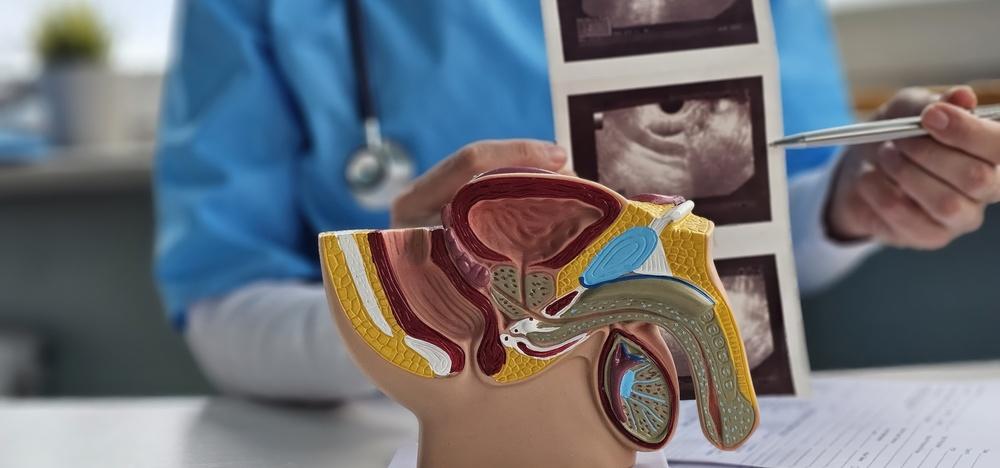
Low-intensity shockwave therapy is primarily being studied or used selectively for vasculogenic ED. It applies low-energy acoustic waves to penile tissue with the aim of improving vascular signalling and blood flow.
Some men with mild vasculogenic ED or an inadequate response to PDE5 inhibitors may experience modest improvement. However, results have been mixed, treatment protocols vary and long-term durability remains uncertain.
Most research has involved focused low-intensity shockwave devices. Radial-wave devices marketed using similar language rely on a different technology and should not be assumed to provide the same effects.
Platelet-Rich Plasma and Other Experimental Injections
Platelet-rich plasma (PRP) is produced from the patient’s own blood. Its concentrated platelets and associated growth factors are proposed to influence vascular and tissue-repair signalling when injected into erectile tissue.
Studies have reported early findings, but preparation and dosing methods vary between studies. Other injected treatments, including botulinum toxin, are also being investigated.
Stem Cell and Regenerative Medicine Research
Regenerative medicine research for ED includes both stem cell-based treatments and cell-free products derived from cultivated stem cells. These approaches are being investigated for their potential to influence the vascular, neurological and structural mechanisms involved in erectile function.
The products, patient groups and administration methods studied vary substantially, and most clinical studies remain small and early-stage. Studies have reported encouraging preliminary findings that provide a scientific rationale for continued investigation, although findings for one treatment cannot automatically be applied to another.
MSEC Therapy at ANOVA IRM
ANOVA IRM offers Mesenchymal Stem Cell Secretome (MSEC) therapy as an experimental regenerative approach. MSEC is a cell-free secretome produced from the patient’s own cultivated adipose-derived mesenchymal stem cells.
It contains extracellular vesicles, including exosomes, along with growth factors and other signalling molecules involved in cellular communication. This cell-free approach is designed to provide stem-cell-derived signalling factors without administering living cells.
Learn more about its evidence, eligibility criteria, treatment workflow and limitations on our Stem Cell Therapy for Erectile Dysfunction page.

Request an Individual Medical Evaluation
If established ED treatments have not provided enough improvement, or you are curious about MSEC therapy, you can contact ANOVA’s medical specialists to discuss its potential benefits, risks and limitations for your case.
Each case is reviewed individually based on the probable cause of ED, medical history, previous treatment response and available test results or imaging. Patients whose ED is primarily psychogenic will normally require a different treatment pathway.
MSEC remains a developing medical approach, and outcomes vary according to the individual patient and underlying cause of ED.
Frequently Asked Questions About Erectile Dysfunction Treatment
What Is the First-Line Treatment for Erectile Dysfunction?
There is no single first-line treatment for every cause of ED. Care usually begins by addressing contributing health conditions, lifestyle factors or psychological concerns. For many patients with physical ED, PDE5 inhibitors are the first medication prescribed unless they are contraindicated.
What Is the Most Effective Treatment for Erectile Dysfunction?
There is no single most effective treatment for every patient. The best option depends on the probable cause of ED, medical suitability, patient preferences and the response to previous treatments.
Can Erectile Dysfunction Be Treated Without Medication?
Yes. Depending on the cause, treatment may involve lifestyle changes, psychosexual therapy or a vacuum erection device. Some patients eventually consider surgery when less-invasive options are unsuccessful or unsuitable.
Can Testosterone Treat Erectile Dysfunction?
Testosterone may help when symptoms and blood testing confirm a testosterone deficiency. It is not a general ED treatment and is unlikely to improve erectile function when testosterone levels are normal.
Are Penile Injections More Effective Than ED Pills?
Penile injections can produce an erection when oral medication is ineffective, but they are not automatically the better option for every patient. They require dose selection and injection training and carry risks such as pain, fibrosis and priapism.
When Is a Penile Implant Considered?
A penile implant may be considered when less-invasive treatments have failed, cannot be used or are unacceptable to the patient. The decision requires specialist assessment and a clear understanding of the procedure’s permanent implications.
Does Shockwave Therapy Work for Erectile Dysfunction?
Low-intensity shockwave therapy may produce modest improvement in some patients with vasculogenic ED. Results have been mixed, treatment protocols differ and long-term durability remains uncertain.
Is Stem Cell Therapy Proven to Treat Erectile Dysfunction?
Stem-cell-based therapies for ED remain developing approaches. Early studies have reported encouraging findings related to erectile function, although products and treatment protocols vary considerably. ANOVA applies cell-free MSEC therapy in selected patients following an individual medical assessment.
References and Literature
- European Association of Urology. Management of Erectile Dysfunction: EAU Guidelines on Sexual and Reproductive Health. 2026.
- Burnett AL, Nehra A, Breau RH, et al. Erectile Dysfunction: AUA Guideline. The Journal of Urology. 2018;200(3):633–641.
- National Institute of Diabetes and Digestive and Kidney Diseases. Diagnosis of Erectile Dysfunction.
- National Institute of Diabetes and Digestive and Kidney Diseases. Treatment for Erectile Dysfunction.
- Bhasin S, Brito JP, Cunningham GR, et al. Testosterone Therapy in Men With Hypogonadism: An Endocrine Society Clinical Practice Guideline. The Journal of Clinical Endocrinology & Metabolism. 2018;103(5):1715–1744.
- Kohn T, El-Sakka A, Facio F, et al. Systematic Review on the Safety and Effectiveness of Restorative Therapies for Erectile Dysfunction. The Journal of Sexual Medicine. 2026;23(7).
- Liu JL, Chu KY, Gabrielson AT, et al. Restorative Therapies for Erectile Dysfunction: Position Statement From the Sexual Medicine Society of North America. Sexual Medicine. 2021;9(3):100343.
- Feldman HA, Goldstein I, Hatzichristou DG, et al. Impotence and Its Medical and Psychosocial Correlates: Results of the Massachusetts Male Aging Study. The Journal of Urology. 1994;151(1):54–61.
Contraindications
Our stem cell treatments are experimental, but we only treat patients for whom we believe the risk/benefit ratio indicates treatment based on the state of the art, i.e., medical, scientific evidence.
Please understand that we therefore do not treat patients for whom the following points apply:
- Active cancer in the last two years
- Not yet of legal age
- Existing pregnancy or lactation period
- Unable to breathe on own, ventilator
- Difficulty breathing in supine position
- Dysphagia (extreme difficulty swallowing)
- Psychiatric disorder
- Active infectious disease (Hepatitis A, B, C, HIV, Syphilis, or other)