

Stem Cell Therapy for Joint and Back Pain
The ANOVA Joint and Back Pain Stem Cell Treatment Programme Germany
An individualised treatment programme with autologous bone marrow concentrate (BMC), injected into the affected joint, for adults with persistent joint and back pain. A precise diagnosis of the source of pain comes first. Offenbach, Germany. Experimental — fully legal — manufactured under German regulatory authorisation and official inspection since 2018.
Low back pain is the leading cause of disability worldwide, and osteoarthritis affected about 595 million people in 2020.[1],[2] Many changes seen on a standard MRI are also common in people without pain.[3] We therefore look for the actual source of pain first, for example active inflammation, before recommending BMC or another treatment. BMC is then applied where the inflammation is, with the aim of reducing it and with it the pain. The programme is offered alongside — never instead of — established treatment such as physiotherapy and pain medication.
| Component | Detail |
|---|---|
| Two products | Bone Marrow Concentrate (BMC) and Mesenchymal Stem Cell Secretome (MSEC), each manufactured under official authorisation; no marketing authorisation (experimental) |
| Authorisations | BMC § 20b / § 13 AMG · MSEC § 20b / § 20c AMG (German Medicines Act) |
| Location | Offenbach am Main, Germany |

Joint and back pain in brief, the conditions we treat and the programme — the essentials at a glance.
You are hereIntroduction & Summary
What is joint and back pain, in brief?
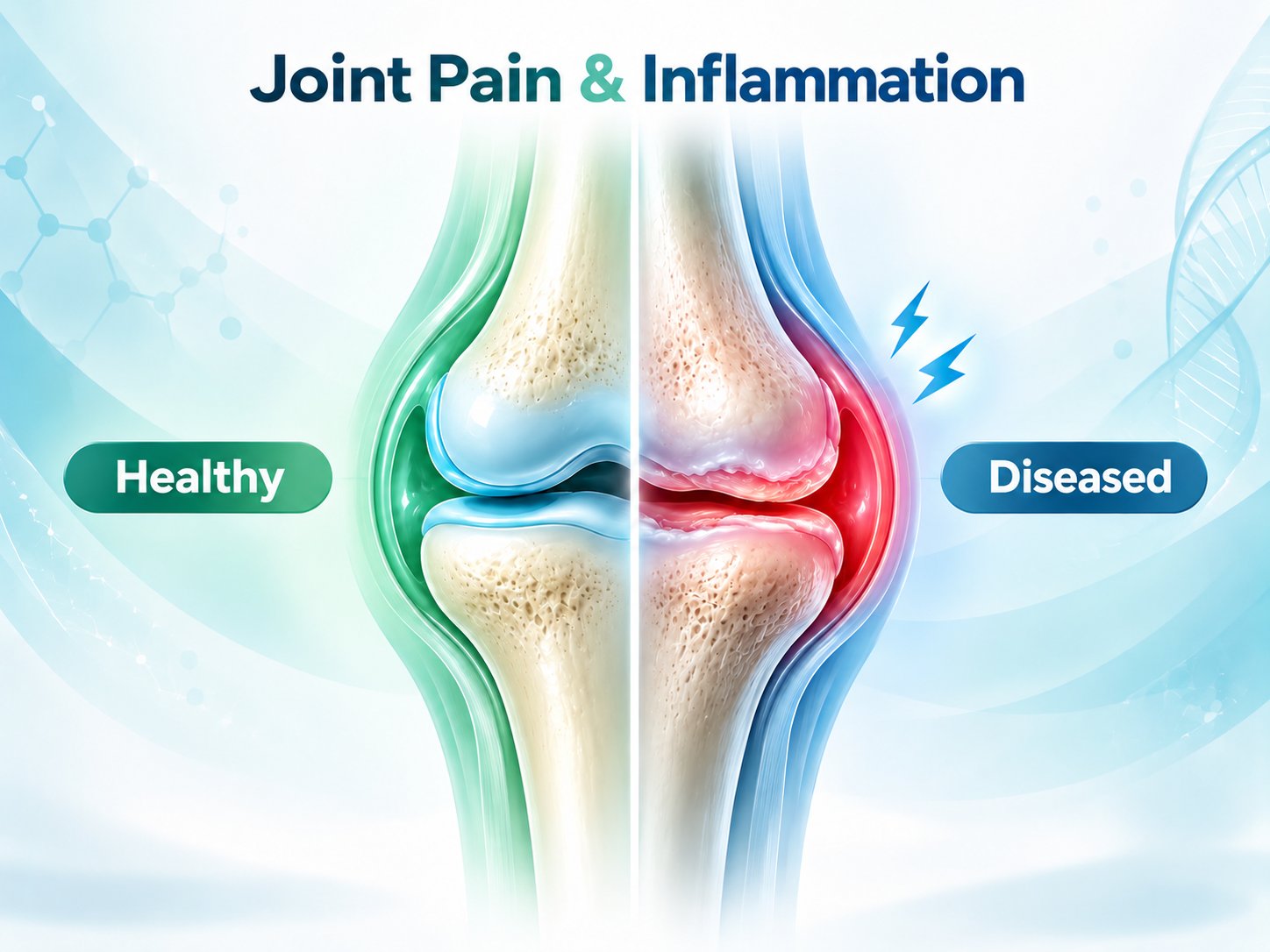
Joint and back pain can arise from cartilage, bone, ligaments, tendons, the small joints of the spine (facet joints), the vertebral bodies or compressed nerves. Cartilage, ligaments and intervertebral discs have a limited blood supply, so they heal slowly and often incompletely. Repeated strain, degeneration and inflammation can keep pain going even after physiotherapy, medication or other treatment.
Typical complaints are:
- Pain on movement or under load, in the joint or in the back
- Stiffness, especially in the morning or after rest
- Swelling or warmth of a joint
- Pain radiating into an arm or leg, numbness or weakness
A standard MRI shows structure, such as a disc bulge or wear of a joint. Such findings are common even in people without pain and do not always explain where the pain comes from.[3] An MRI with contrast can additionally show areas of active inflammation, which may point to the source of pain.
More details can be found below in our scientific section on joint and back pain.
Which joint and back conditions do we treat?
Osteoarthritis
Osteoarthritis is a progressive joint disease with degenerative changes in the cartilage and the underlying bone. It causes joint pain, stiffness and reduced mobility, and conventional treatment mainly relieves the symptoms. BMC injected into the affected joint is intended to reduce inflammation in the joint, relieve pain and, in the longer term, stabilise joint function. Learn more about our osteoarthritis programme.
Joints and sport injuries — shoulder, hip, knee and hand
Pain in the shoulder, hip, knee or hand can result from injury, overuse or degeneration of cartilage, ligaments and tendons, for example after sport. BMC injected into the affected joint is intended to reduce inflammation and to support the repair of cartilage, tendons and ligaments. If you wish, blood tests can also look for an autoimmune disease or a hormonal imbalance, which can play a part in joint pain. Learn more about our joints and sport injuries programme.
Spine — back and neck
Back and neck pain can come from the vertebral bodies, the facet joints, the spinal ligaments or a compressed nerve root. These causes can look similar on a standard scan but need different treatment. BMC is used for inflammation of the vertebral bodies, the facet joints or the spinal ligaments, with the aim of reducing the inflammation at its source and with it the pain. Where a disc presses on a nerve purely mechanically, however, BMC is not the right treatment, and we discuss other options with you. Learn more about our spine programme.
Rheumatoid arthritis
Rheumatoid arthritis is an autoimmune disease in which the immune system attacks the lining of the joints. Treatment by a rheumatologist with disease-modifying medication remains the basis. BMC can additionally be injected into individual affected joints, with the aim of reducing local inflammation and pain. Learn more about our rheumatoid arthritis programme.
What is the ANOVA joint and back pain programme?
ANOVA offers autologous bone marrow concentrate (BMC) for joint and back pain. The programme has two components: a diagnostic MRI and BMC injected into the affected joint (intra-articular). Each component is selected individually; the programme is not a fixed package.
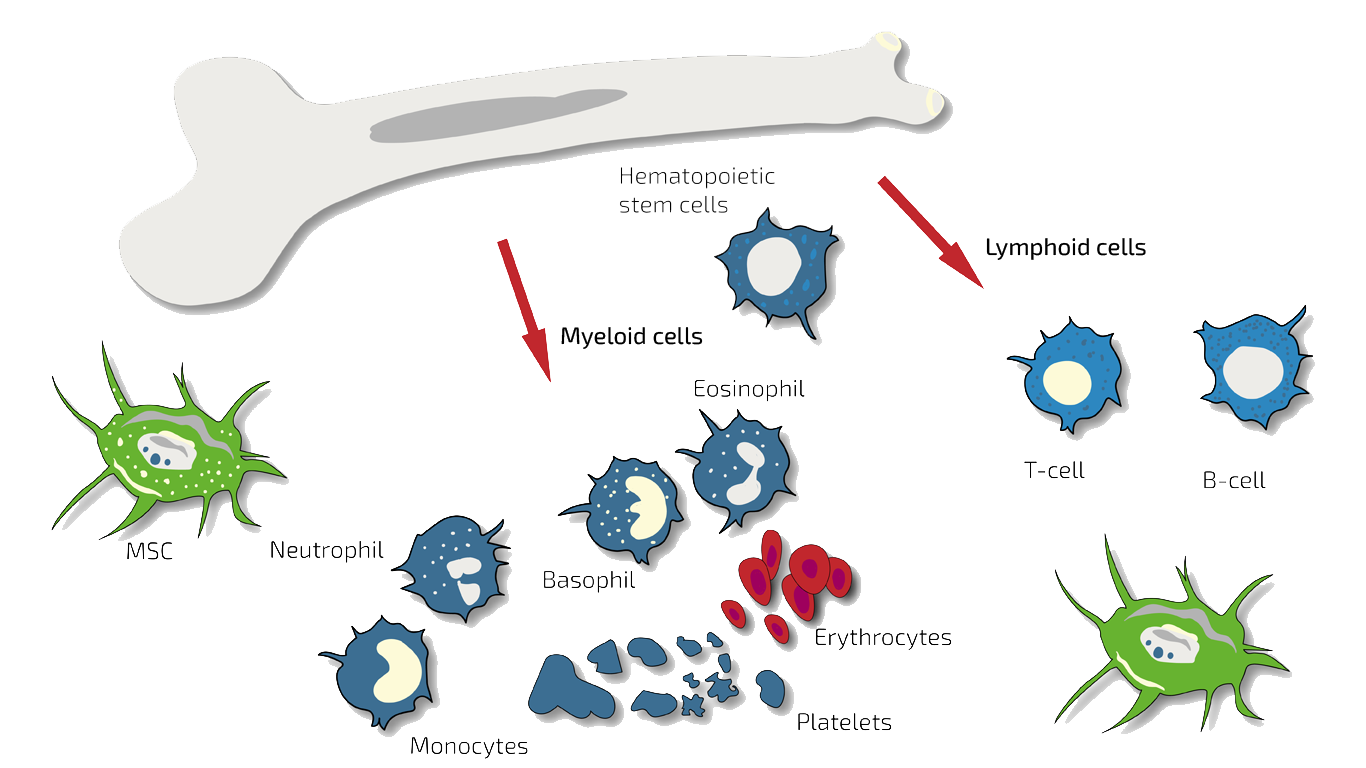
In many painful joint conditions, chronic inflammation contributes to pain and to ongoing tissue damage. BMC contains the patient's own stem cells and signalling factors that research associates with the regulation of inflammation and with tissue repair. Injected directly into the joint, BMC is intended to reduce inflammation there, and with it pain, and to support the repair of the affected tissue. Further aims are to delay a joint replacement and to reduce the need for painkillers.
ANOVA IRM has not yet tested BMC for joint and back pain in a clinical study. The current state of research is described in the clinical and scientific section below.
The ANOVA Joint and Back Pain Programme — Components
Diagnostic MRI
With BMC, an MRI before treatment is not mandatory, but a diagnostic MRI is often very useful. It is often unclear where exactly the pain comes from. A good MRI with contrast can make inflammation visible, which often triggers the pain; BMC can then be applied at exactly the right site.
Bone marrow concentrate (BMC)
Your own bone marrow is collected from the pelvic bone under brief sedation, concentrated, tested and injected into the affected joint on the same day, during a two-day visit. External studies of bone marrow concentrate in the knee, mostly small, reported improvements in pain and function.[4] BMC is intended to reduce inflammation at the site of pain.
Which diagnostics do we use for joint and back pain at ANOVA IRM?
As joint and back pain has many possible causes, a thorough diagnostic work-up is needed to find the source of the pain and, in turn, the right treatment.
Which tests are used to find the cause of joint and back pain?
Diagnosis starts with your medical history and a physical examination. MRI shows the structure of joints, discs and the spine; with contrast, it can also show active inflammation in the vertebral bodies, the facet joints, the ligaments or the joint lining. Blood tests are part of the preparation for treatment; if you wish, they can also look for signs of an autoimmune disease and assess your hormone status.
What do we review before joint and back pain treatment at ANOVA IRM?
Before any treatment decision we review whether your pain is mainly caused by inflammation, degeneration, an autoimmune disease or a purely mechanical problem. We also assess whether you are fit for the brief sedation required for the bone marrow collection.
With BMC:
- Standard: no MRI required.
- Optional, often useful: a diagnostic MRI with contrast to make inflammation visible and to locate the source of pain.
- Optional: further MRI or CT scans where your findings call for them.
- CT-guided application: always in the lumbar spine, sometimes in the shoulder and hip, and usually not in the knee.
All of these examinations can also be carried out by your own doctors at home; please send us the results. They can also be done in-house at the Prof. Dr. Stehling Institut für Bildgebende Diagnostik GmbH, which, like ANOVA IRM, belongs to Dr. Stehling and is located in the same building. The full diagnostic pathway is described on our diagnostics page.
Why ANOVA IRM for joint and back pain?
For many years, orthopaedic surgeons in Germany prepared and used bone marrow concentrate in their practices without an official authorisation. Two changes to the German Medicines Act (AMG) ended this. In 2009, advanced therapy medicinal products were excluded from preparation without authorisation, and in 2012 the exemption for tissue preparations in Section 20d AMG was restricted, so that an authorisation became necessary. ANOVA took the demanding route of obtaining these authorisations and manufacturing under good manufacturing practice (GMP). ANOVA IRM has manufactured BMC in its own facility in Offenbach since 2018, with MRI and CT imaging in the same building. Why an autologous preparation used only for our own patients requires no marketing authorisation is set out on our regulatory status page.
What can you expect as a patient with joint and back pain?
Initial evaluation can begin remotely, by phone or video, without travel to Germany. Treatment itself requires an in-person visit to Offenbach am Main, less than 20 minutes from Frankfurt Airport. You receive an individual written cost estimate before any treatment decision.
Quick answers
Is there a cure for joint and back pain?
Not in general. It depends on the cause: an inflammatory flare or a sports injury can settle completely, while degenerative joint and spine disease is usually managed rather than cured. Standard treatment includes exercise and physiotherapy, pain medication, injections and, in advanced cases, surgery or joint replacement.[1] BMC at ANOVA IRM is intended to reduce inflammation and pain in the affected joint.
Is stem cell therapy a cure for joint and back pain?
No. Stem cell therapy is not a cure for joint and back pain. BMC is intended to reduce inflammation in the affected joint, and with it pain, and to support the repair of the tissue; it complements standard treatment.
Is joint and back pain stem cell therapy legal in Germany?
Yes, if the provider has the official authorisations required. For joint and back pain, ANOVA IRM uses BMC, which it manufactures under a procurement authorisation (Section 20b AMG) and a manufacturing authorisation under Section 13 AMG. It is given as an individual treatment attempt; the details are on our regulatory status page.
Is joint and back pain stem cell therapy safe?
Not without qualification. Every medical treatment carries risks, and your doctor explains them before treatment. Because BMC is made from your own bone marrow, no donor tissue is involved. Its safety depends above all on product quality: following the logic of the medicines authorities, products made under official authorisation and inspection are to be regarded as safer than those from unregulated providers. Ask any provider for its authorisations; the regulators' view is summarised under unproven therapies.
What medication is used for joint and back pain?
Pain relievers and anti-inflammatory drugs are the most common medication for joint and back pain; injections of cortisone or hyaluronic acid into the joint are also used. In rheumatoid arthritis, disease-modifying medication from a rheumatologist is the basis of treatment. BMC at ANOVA IRM is used in addition to this medication, not instead of it.
Who qualifies, what the process actually involves, and what it costs — step by step.
You are hereJoint and Back Pain Treatment: Eligibility, Process & Cost
BMC treatment for joint and back pain at ANOVA IRM costs approximately €8,000–€9,000 and takes one two-day outpatient visit to Offenbach, Germany, for adults whose diagnostic work-up points to a cause that BMC may address.
What does the joint and back pain treatment timeline look like?
- 01
Remote assessment
Review of your medical history, images and blood tests by phone or video.
- 02
Day 1 in Offenbach
Consultation and consent, blood tests and, where needed, an MRI with contrast.
- 03
Day 2 in Offenbach
Bone marrow collection under brief sedation; BMC is concentrated, tested and injected into the affected joint the same day (about two to four hours).
- 04
Follow-up
Review of your progress by phone or video; a repeat application is possible after assessment. Details are discussed with your doctor.
Who is a candidate for joint and back pain treatment, and what are the requirements?
BMC may be considered for adults with chronic or degenerative joint or back pain, after a full diagnostic work-up. This includes osteoarthritis of the knee, hip, shoulder or hand, inflammation of the facet joints, vertebral bodies or spinal ligaments, and tendon and ligament injuries from sport or overuse. Many patients we see have tried physiotherapy, pain medication or injections with limited effect. BMC is intended to reduce the inflammation behind the pain at its source. You need to be medically fit for the bone marrow collection under brief sedation and able to travel to Offenbach.
Treatment decisions are based on your medical history and diagnostic findings, which you can send in advance or complete with us. Consultations can begin remotely, with an on-site evaluation where further diagnostics are needed.
What are the contraindications for joint and back pain treatment?
Our treatments are experimental. We treat only people for whom, after medical assessment, we consider the benefit-risk balance to support treatment.
Applies to all ANOVA treatments:
- Active cancer within the last two years
- Under the age of legal majority
- Pregnancy or breastfeeding
- Active infectious disease (hepatitis A, B, C, HIV, syphilis or other)
Specific to joint and back pain:
- Infection of the joint or of the skin at the injection site
- Disc prolapse with purely mechanical compression of a nerve root — here a different treatment is more suitable
- Unable to breathe unaided, or difficulty breathing in the supine position (sedation for the bone marrow collection)
- Psychiatric disorder that would prevent informed consent or cooperation
A blood clotting disorder or blood-thinning medication is not a contraindication, but please tell us about it before your visit.
What does joint and back pain therapy at ANOVA IRM involve, step by step?
What screening is needed before you travel for joint and back pain treatment?
Before you travel, a preliminary screening in your home country helps to avoid an unnecessary journey. This is usually a blood test for medical or infectious reasons against treatment, together with your existing images and the letters of your treating doctors.
What happens at your joint and back pain visit to Offenbach, Germany?
The visit takes two days in Offenbach and is outpatient. On the first day your doctor explains the treatment and obtains your consent; blood tests and, where needed, an MRI with contrast are carried out. On the second day, bone marrow is collected from the pelvic bone under brief sedation. It is concentrated, tested and injected into the affected joint the same day, which takes about two to four hours.
How is your BMC for joint and back pain produced and quality-controlled?
BMC is prepared from your bone marrow on the day of collection in our own facility, under a manufacturing authorisation and good manufacturing practice (GMP), following defined protocols for consistency, quality control and traceability. Part of the quality control takes place on the same day, before the application; further tests are completed afterwards.
How is BMC applied in joint and back pain?
BMC for joint and back pain is usually given once, during a two-day visit; in chronic conditions such as osteoarthritis, the treatment may need to be repeated. The schedule is set individually for each patient, for example:
- BMC: one application on the second day of the visit; a repeat is possible after assessment.
- Several joints: they can be treated during the same visit, usually with a double BMC. Details are discussed with your doctor.
- Standard route: injection into the affected joint (intra-articular). This is intended to bring BMC directly to the inflamed tissue.
- CT guidance: always in the lumbar spine, sometimes in the shoulder and hip, and usually not needed in the knee.
- No intravenous use: BMC is applied only locally.
What does joint and back pain treatment with BMC cost?
BMC treatment for joint and back pain costs approximately €8,000 to €9,000 and is billed according to the German Medical Fee Schedule (GOÄ). With a CT-guided injection the cost is closer to €9,000, without one closer to €8,000. CT guidance is always used in the lumbar spine, sometimes in the shoulder and hip, and usually not in the knee. The total also depends on additional examinations, such as an MRI with contrast, and on your sedation or anaesthesia preferences. You receive an individual written estimate before any treatment decision. If several joints are treated during one visit, a double BMC is usually prepared; the cost is correspondingly higher and is shown in your individual estimate. Travel, accommodation and other personal expenses are separate. Treatment is generally self-funded; you can still ask your insurer about possible reimbursement. Our blog post on treatment cost explains the main cost factors. All prices are subject to change.
Why does the cost of joint and back pain treatment vary?
All treatments at ANOVA IRM are billed according to the German Medical Fee Schedule (Gebührenordnung für Ärzte, GOÄ). Within it, the cost varies mainly with the number of joints treated, with CT guidance of the injection and with any diagnostic MRI before treatment. The exact cost of your treatment plan is set out in your individual written cost estimate.
Frequently asked questions — eligibility, process and travel
How is BMC administered for joint and back pain?
By injection into the affected joint (intra-articular), under imaging guidance where needed. An ANOVA IRM physician gives BMC on the second day of your visit, a few hours after the bone marrow collection.
How long does the whole joint and back pain process take?
The initial evaluation can begin remotely and takes about two weeks to several months, depending on how quickly your findings are available. BMC itself is completed within one two-day visit to Offenbach.
Does health insurance cover joint and back pain stem cell therapy in Germany?
No. Statutory and private insurers usually do not pay for BMC treatment of joint and back pain, as it is experimental, so patients generally pay for it themselves. An individual application to your insurer is still possible.
Should I stop my current joint and back pain medication such as ibuprofen or diclofenac?
No. Please continue your current medication as agreed with your treating doctor.
Should I continue my existing joint and back pain treatment such as physiotherapy?
Yes. Exercise and physiotherapy remain useful for joints and the spine alongside BMC, and your medication continues as agreed with your doctor.
How often do I need to travel to Germany for joint and back pain stem cell treatment?
Usually once, for two days: after a remote first assessment, the bone marrow collection and the injection of BMC take place during one outpatient visit to Offenbach. Offenbach is less than 20 minutes from Frankfurt Airport. Our BMC page explains every step of the visit.
What medical records should I send for a joint and back pain assessment?
Please send us your most recent documents; we will ask if we need anything else. Helpful are, for example, letters from your orthopaedic surgeon or doctor, your current medication, recent blood tests and existing MRI, CT or X-ray images. We will tell you how to send large image files.
Does ANOVA IRM treat international patients with joint and back pain?
Yes. Patients from abroad are advised in English, and the first assessment of your joint or back pain takes place by phone or video, so no travel is needed at this stage.
Causes of joint and back pain, the standard of care, the rationale for BMC and all references.
You are hereJoint and Back Pain: Clinical & Scientific Evidence
1. What happens in joint and back pain?
Orthopaedic conditions affect joints, cartilage, ligaments, tendons and the structures of the spine. Some injuries occur suddenly, but many develop gradually through degeneration, mechanical stress and incomplete healing. As this continues, the affected area becomes less stable and more prone to further damage.
What causes joint and back pain, and what are the risk factors?
Joint and back pain has many causes. They include wear of cartilage and discs, inflammation of joints, vertebral bodies or ligaments, and injuries from sport or accidents. Autoimmune diseases such as rheumatoid arthritis and a compressed nerve root are further causes. Often no single cause can be found, especially in back pain.[1] Risk factors include:
- Older age and excess weight
- Physically demanding work, overload and earlier injuries
- Low physical activity and smoking
- Hereditary factors, for example in osteoarthritis
What drives the progression of joint and back pain?
Most of these conditions share several underlying processes that keep them going:
- progressive degeneration of tissue within joints and supporting structures
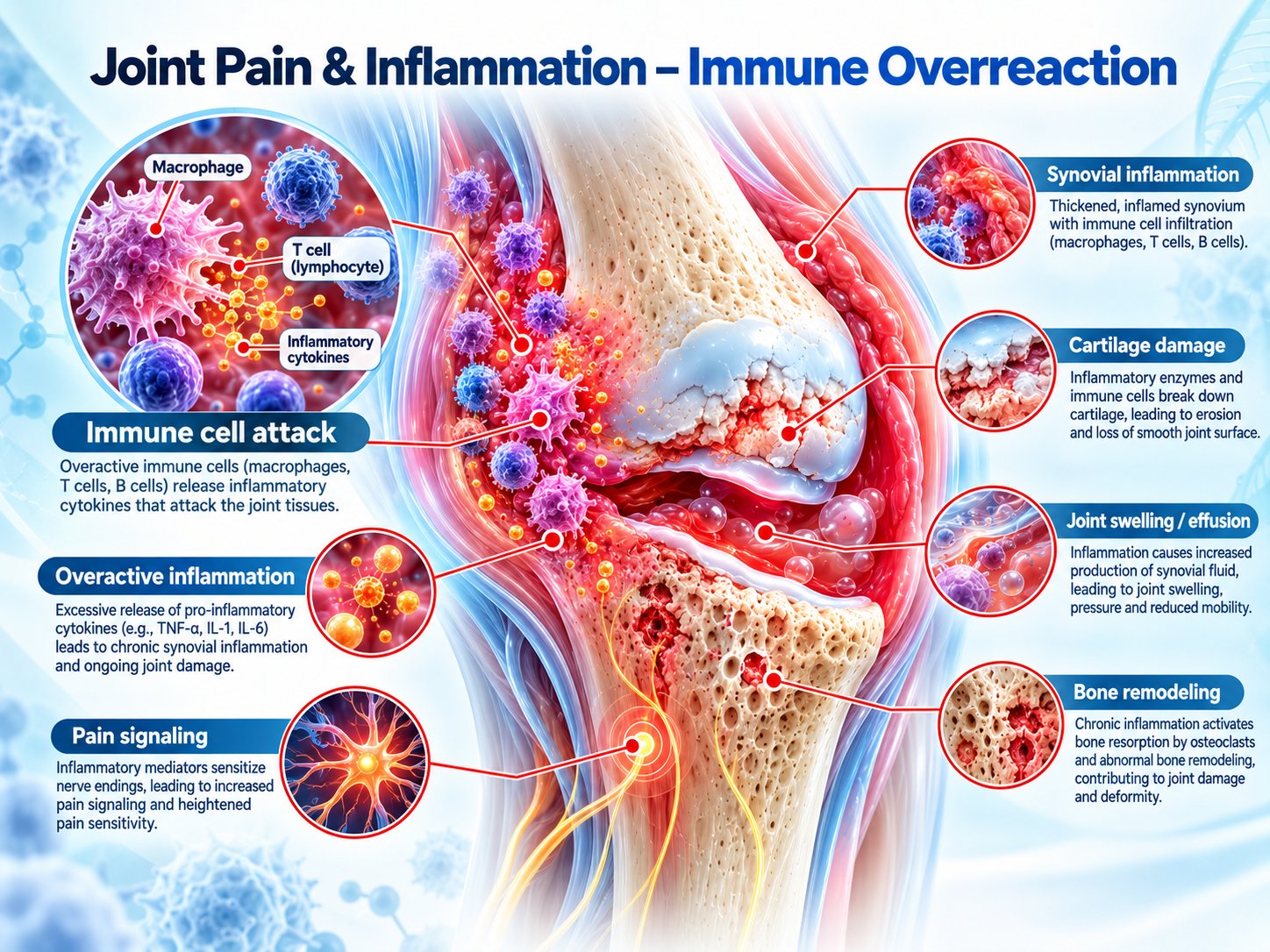
- inflammation that contributes to ongoing tissue damage and slows healing
- repetitive stress and overuse, particularly in active people and athletes
- incomplete healing after injury, leading to long-term structural changes
These processes can continue over time, which is why many joint and spine conditions are difficult to resolve with conventional treatment alone. Our programme is aimed at the inflammation among them, not at the original cause.
Why do imaging findings not always explain the pain?
In a systematic review of MRI and CT findings in people without back pain, disc degeneration was found in 37% of 20-year-olds and in 96% of 80-year-olds; disc bulges were also common.[3] Such findings therefore do not by themselves explain where pain comes from. An MRI with contrast can additionally show active inflammation, for example in the vertebral bodies, the facet joints or the joint lining, which may help to locate the source of pain.
2. What is the standard of care for joint and back pain?
Treatment starts with information, exercise and physiotherapy, weight management and pain medication; guidelines for low back pain put active, non-drug treatment first.[1] Further options include injections of cortisone or hyaluronic acid into joints and, in rheumatoid arthritis, disease-modifying medication from a rheumatologist. In advanced osteoarthritis, a joint replacement is an established option.
Important: This is the established standard of care. ANOVA IRM's programme is offered alongside — not in place of — appropriate established treatment.
For back and neck pain, specialised procedures such as test injections, radiofrequency denervation of the facet joints or spinal surgery can also be considered; they are described on our spine page.
What if a joint replacement becomes necessary?
Conventional joint replacements made of metal and plastic have a limited lifespan, and a later revision operation becomes more difficult. Implants that are 3D-printed for the individual patient from natural materials such as bone and cartilage are being researched; they are intended to integrate into the body but are not yet in routine clinical use. Where it is medically reasonable to postpone a joint replacement, this is a further reason to discuss treatment options that may help to bridge the time.
How is joint and back pain diagnosed, and what do we not do ourselves?
Joint and back pain is diagnosed from the medical history, a physical examination, imaging and blood tests. Physiotherapy, the treatment of autoimmune diseases by a rheumatologist and surgery stay with your treating doctors and specialists. We carry out MRI with or without contrast and CT ourselves at the Institut für Bildgebende Diagnostik in the same building.
3. What is the scientific rationale for BMC in joint and back pain?
Bone marrow concentrate (BMC)
ANOVA IRM has not yet tested BMC for joint and back pain in a clinical study. BMC is prepared from the patient's own bone marrow and contains a small proportion of mesenchymal stem cells (MSCs), together with other cells and growth factors.[4] A systematic review of mostly small external studies in knee cartilage injuries and osteoarthritis reported good overall clinical results; the quality of the studies was low.[4] In small external placebo-controlled studies reviewed by the American Academy of Orthopaedic Surgeons in 2021, a benefit over placebo could not yet be demonstrated, and the evidence was rated as limited.[5] To our knowledge, there is no phase 3 study of BMC in joint and back pain.
What is the efficacy hypothesis behind BMC in joint and back pain?
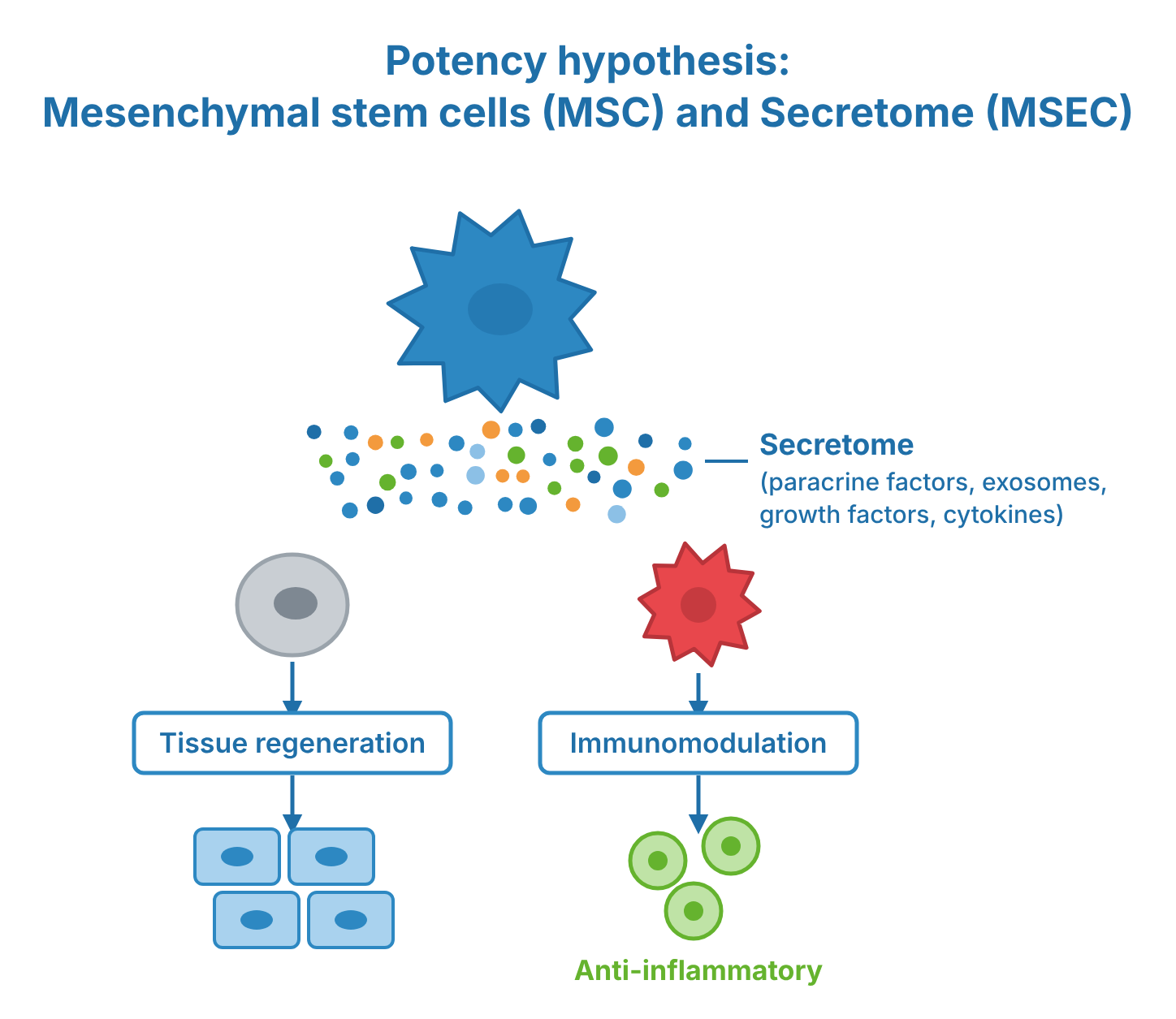
MSCs are thought to act mainly through the factors they release, which laboratory studies associate with the regulation of inflammation and with the activity of the cells involved in repair.[6],[7] Inflammation contributes to pain and to ongoing tissue damage in many joint and spine conditions. BMC is injected directly into the affected joint so that these factors reach the inflamed tissue. It is intended to reduce inflammation and pain and, in the longer term, to stabilise joint function and delay further wear.
Mesenchymal stem cells and secretome — analogous evidence
Laboratory and animal studies with mesenchymal stem cells and the vesicles they release have shown effects on cartilage cells and on inflammation in joint models.[8],[9],[10] These studies used cultured cells or cell-free preparations, not BMC. They provide background for the rationale, not direct evidence for BMC.[11],[12]
What can blood tests show in joint pain?
Joint pain sometimes has causes that BMC alone cannot address, such as an autoimmune disease or a hormonal imbalance. If you wish, we can additionally analyse signs of an autoimmune disease and your hormone status in the blood. If the results point to another cause, we discuss them with you and, with your consent, with your treating doctors.
Talk to us about current changes or additions to the joint and back pain programme.
4. Where does our own joint and back pain evidence stand?
ANOVA IRM does not yet have an evaluated dataset for joint and back pain. In our experience, a reduction of pain is more likely when the pain is caused by inflammation. Stem cells cannot cure a condition such as osteoarthritis, and any improvement achieved is always limited in time. These observations have not been systematically evaluated and do not allow a prediction for you.
Individual patients describe their experiences on our testimonials page. These are personal accounts of single cases, and results differ from person to person.
What the published evidence does not yet tell us
- Laboratory and animal studies report effects on cartilage and inflammation, but they cannot show whether a treatment helps patients.
- Human studies of bone marrow concentrate are mostly small and of limited quality; in placebo-controlled studies, a benefit over placebo could not yet be demonstrated.
- The products studied differ from BMC at ANOVA IRM in preparation and dose.
- No stem cell-based treatment for joint and back pain is an approved standard treatment in Germany or the EU.
5. Legal framework for BMC in joint and back pain
BMC is an advanced therapy medicinal product; ANOVA IRM manufactures it under a procurement authorisation (Section 20b AMG) and a manufacturing authorisation under Section 13 AMG. Both authorisations were issued and are regularly inspected by the Hessian State Office for Health and Care (HLfGP). The individual treatment attempt (individueller Heilversuch) concerns the administration only and follows full disclosure and informed consent. Because BMC is used only for ANOVA IRM's own patients, no authorisation under Section 4b, no marketing authorisation under Section 21 and no approval under Section 21a AMG is required. The full derivation is on our regulatory status page.
6. Frequently asked questions — joint and back pain, evidence and approval status
Is stem cell therapy approved for joint and back pain anywhere?
No, not in Germany, the EU or the US. In South Korea, a cell product from donor umbilical cord blood has been approved for knee cartilage defects in osteoarthritis since 2012; it is not available in the EU.[13] ANOVA IRM gives BMC as an individual treatment attempt after individual medical assessment and informed consent.
Are stem cell therapies for joint and back pain supported by research or clinical trials?
What results can I expect from stem cell treatment for joint and back pain?
Results vary with the cause of the pain, its severity and your overall health. BMC is intended to reduce inflammation in the affected joint and with it the pain; a reduction of pain is more likely when the pain is caused by inflammation. Your doctor discusses realistic expectations with you during the medical evaluation.
What types of stem cells does ANOVA use for joint and back pain?
Bone marrow concentrate (BMC) from your own bone marrow. BMC contains a small proportion of mesenchymal stem cells together with other cells and growth factors; laboratory research associates the factors these cells release with the regulation of inflammation.
Does ANOVA use embryonic or pluripotent stem cells for joint and back pain?
No. ANOVA IRM does not use embryonic stem cells, human embryos or induced pluripotent stem cells (iPSCs). BMC for joint and back pain is made from adult cells from your own bone marrow.
What are the symptoms of joint and back pain?
The main symptoms are pain, stiffness and reduced mobility of the affected joint or of the spine. Symptoms differ between people and can change over time.
- Pain on movement or under load, in more advanced cases also at rest
- Stiffness, especially in the morning or after rest
- Swelling or warmth of a joint, which can point to inflammation
- Pain radiating into an arm or leg, numbness or weakness, which can point to a compressed nerve root and needs prompt medical assessment
Which forms of joint and back pain are there, and how does it progress?
Joint and back pain is classified by its cause: degenerative, inflammatory, autoimmune, injury-related or caused by nerve compression. How it develops depends on the cause and on whether that cause can be treated.
- Degenerative: osteoarthritis and disc degeneration; usually progress slowly over years.
- Inflammatory activity: for example inflamed vertebral bodies (active osteochondrosis) or inflamed facet joints; can flare and settle again.
- Autoimmune: for example rheumatoid arthritis; a chronic disease that needs treatment by a rheumatologist.
- Sports and overuse injuries: tendon and ligament injuries such as tennis elbow or Achilles tendon problems; often heal slowly.
- Nerve root compression: for example by a disc prolapse or by narrowing of the openings through which nerve roots leave the spine.
What complications can joint and back pain cause?
Persistent joint and back pain can limit mobility, sleep and the ability to work; back pain is a major cause of work disability.[1] Advanced osteoarthritis can lead to joint deformity and may make a joint replacement necessary, and long-term use of pain medication carries its own risks.
Important Pages
Questions people usually ask next. Each is answered in full on its own page.
- Who are we?
- Is ANOVA legal?
- Is stem cell therapy safe?
- What is BMC (Bone Marrow Concentrate)?
- What are stem cells?
- What should I ask when looking for a stem cell treatment?
- Which conditions do we treat?
- Osteoarthritis treatment options — standard and emerging
- Rheumatoid arthritis treatment options — standard and emerging
Affiliations of ANOVA
ANOVA IRM shares its premises in Offenbach with two further institutions owned by Dr. Stehling: the Institut für Bildgebende Diagnostik (IBDO), providing MRI and CT imaging, and the VITUS PRIVATKLINIK Prof. Dr. Stehling GmbH. Because imaging is carried out in the same building, condition-specific diagnostics — including MRI with contrast and MRI- or CT-guided injections — can be performed in-house rather than referred elsewhere. See diagnostics at ANOVA IRM.
References — joint and back pain literature
Specific literature is maintained on the pages for osteoarthritis, joints, spine and rheumatoid arthritis, and general literature on bone marrow on the BMC page.
Joint and back pain — burden and imaging
- [1] Hartvigsen J, Hancock MJ, Kongsted A, et al. What low back pain is and why we need to pay attention. Lancet. 2018;391(10137):2356–2367. doi:10.1016/S0140-6736(18)30480-X. PMID: 29573870.
- [2] GBD 2021 Osteoarthritis Collaborators. Global, regional, and national burden of osteoarthritis, 1990–2020 and projections to 2050: a systematic analysis for the Global Burden of Disease Study 2021. Lancet Rheumatol. 2023;5(9):e508–e522. doi:10.1016/S2665-9913(23)00163-7. PMID: 37675071. PMCID: PMC10477960.
- [3] Brinjikji W, Luetmer PH, Comstock B, et al. Systematic literature review of imaging features of spinal degeneration in asymptomatic populations. AJNR Am J Neuroradiol. 2015;36(4):811–816. doi:10.3174/ajnr.A4173. PMID: 25430861.
Bone marrow concentrate in joints
- [4] Chahla J, Dean CS, Moatshe G, et al. Concentrated bone marrow aspirate for the treatment of chondral injuries and osteoarthritis of the knee: a systematic review of outcomes. Orthop J Sports Med. 2016;4(1):2325967115625481. doi:10.1177/2325967115625481. PMID: 26798765.
- [5] American Academy of Orthopaedic Surgeons. Concentrated Bone Marrow Aspirate for Knee Osteoarthritis: Technology Overview. Rosemont, IL: AAOS; adopted 3 December 2021. https://www.aaos.org/globalassets/quality-and-practice-resources/biologics/technology-overview-concentrated-bone-marrow-aspirate-for-knee-osteoarthritis.pdf
Mesenchymal stem cells and secretome — analogous evidence, not BMC itself
- [6] Caplan AI, Correa D. The MSC: an injury drugstore. Cell Stem Cell. 2011;9(1):11–15. doi:10.1016/j.stem.2011.06.008. PMID: 21726829.
- [7] da Silva Meirelles L, Fontes AM, Covas DT, et al. Mechanisms involved in the therapeutic properties of mesenchymal stem cells. Cytokine Growth Factor Rev. 2009;20(5–6):419–427. doi:10.1016/j.cytogfr.2009.10.002. PMID: 19926330.
- [8] Maumus M, Jorgensen C, Noël D. Mesenchymal stem cells in regenerative medicine applied to rheumatic diseases: role of secretome and exosomes. Biochimie. 2013;95(12):2229–2234. doi:10.1016/j.biochi.2013.04.017. PMID: 23685070.
- [9] Toh WS, Lai RC, Hui JHP, et al. MSC exosome as a cell-free MSC therapy for cartilage regeneration: implications for osteoarthritis treatment. Semin Cell Dev Biol. 2017;67:56–64. doi:10.1016/j.semcdb.2016.11.008. PMID: 27871993.
- [10] Malda J, Boere J, van de Lest CHA, et al. Extracellular vesicles — new tool for joint repair and regeneration. Nat Rev Rheumatol. 2016;12(4):243–249. doi:10.1038/nrrheum.2015.170. PMID: 26729461.
- [11] Freitag J, Bates D, Boyd R, et al. Mesenchymal stem cell therapy in the treatment of osteoarthritis: reparative pathways, safety and efficacy — a review. BMC Musculoskelet Disord. 2016;17:230. doi:10.1186/s12891-016-1085-9. PMID: 27229856.
- [12] Murphy MB, Moncivais K, Caplan AI. Mesenchymal stem cells: environmentally responsive therapeutics for regenerative medicine. Exp Mol Med. 2013;45:e54. doi:10.1038/emm.2013.94. PMID: 24232253.
Approval status
- [13] Ministry of Food and Drug Safety (MFDS), Republic of Korea. Bio & Cosmetics — Manufactures: CARTISTEM (human umbilical cord blood-derived mesenchymal stem cells), approved by MFDS in January 2012 for knee articular cartilage defects in patients with osteoarthritis. https://mfds.go.kr/eng/brd/m_30/view.do?seq=69798 (accessed 7 October 2026).
Further References for MSC, BMC, Stemcell Secretome and EVs
- Georg Hansmann, Philippe Chouvarine, Franziska Diekmann, Martin Giera, Markus Ralser, Michael Mülleder, Constantin von Kaisenberg, Harald Bertram, Ekaterina Legchenko & Ralf Hass "Human umbilical cord mesenchymal stem cell-derived treatment of severe pulmonary arterial hypertension". Nature Cardiovascular Research volume 1, pages568–576 (2022).
- Murphy JM, Fink DJ, Hunziker EB, et al. Stem cell therapy in a caprine model of osteoarthritis . Arthritis Rheum. 2003;48:3464–74.
- Lee KB, Hui JH, Song IC, Ardany L, et al. Injectable mesenchymal stem cell therapy for large cartilage defects—a porcine model. Stem Cell. 2007;25:2964–71.
- Saw KY, Hussin P, Loke SC, et al. Articular cartilage regeneration with autologous marrow aspirate and hyaluronic acid: an experimental study in a goat model. Arthroscopy . 2009;25(12):1391–400.
- Black L, Gaynor J, Adams C, et al. Effect of intra-articular injection of autologous adipose-derived mesenchymal stem and regenerative cells on clinical signs of chronic osteoarthritis of the elbow joint in dogs. Vet Ther. 2008;9:192-200.
- Centeno C, Busse D, Kisiday J, et al. Increased knee cartilage volume in degenerative joint disease using percutaneously implanted, autologous mesenchymal stem cells. Pain Physician. 2008;11(3):343–53.
- Centeno C, Kisiday J, Freeman M, et al. Partial regeneration of the human hip via autologous bone marrow nucleated cell transfer: a case study. Pain Physician. 2006;9:253–6.
- Centeno C, Schultz J, Cheever M. Safety and complications reporting on the re-implantation of culture-expanded mesenchymal stem cells using autologous platelet lysate technique. Curr Stem Cell. 2011;5(1):81–93.
- Pak J. Regeneration of human bones in hip osteonecrosis and human cartilage in knee osteoarthritis with autologous adipose derived stem cells: a case series. J Med Case Rep. 2001;5:296.
- Kuroda R, Ishida K, et al. Treatment of a full-thickness articular cartilage defect in the femoral condyle of an athlete with autologous bone-marrow stromal cells. Osteoarthritis Cartilage. 2007;15:226–31.
- Emadedin M, Aghdami N, Taghiyar L, et al. Intra-articular injection of autologous mesenchymal stem cells in six patients with knee osteoarthritis. Arch Iran Med. 2012;15(7):422–8.
- Saw KY et al. Articular cartilage regeneration with autologous peripheral blood stem cells versus hyaluronic acid: a randomized controlled trial. Arthroscopy. 2013;29(4):684–94.
- Vangsness CT, Farr J, Boyd J, et al. Adult human mesenchymal stem cells delivered via intra-articular injection to the knee following partial medial meniscectomy. J Bone Joint Surg. 2014;96(2):90–8.
- Freitag, Julien, et al. Mesenchymal stem cell therapy in the treatment of osteoarthritis: reparative pathways, safety and efficacy–a review. BMC musculoskeletal disorders 17.1 (2016): 230.
- Maumus, Marie, Christian Jorgensen, and Danièle Noël. " Mesenchymal stem cells in regenerative medicine applied to rheumatic diseases: role of secretome and exosomes. " Biochimie 95.12 (2013): 2229-2234.
- Dostert, Gabriel, et al. " How do mesenchymal stem cells influence or are influenced by microenvironment through extracellular vesicles communication?. " Frontiers in Cell and Developmental Biology 5 (2017).
- Chaparro, Orlando, and Itali Linero. " Regenerative Medicine: A New Paradigm in Bone Regeneration. " (2016).
- Toh, Wei Seong, et al. " MSC exosome as a cell-free MSC therapy for cartilage regeneration: Implications for osteoarthritis treatment. " Seminars in Cell & Developmental Biology. Academic Press, 2016.
- Chaparro, Orlando, and Itali Linero. " Regenerative Medicine: A New Paradigm in Bone Regeneration. " (2016).
- S. Koelling, J. Kruegel, M. Irmer, J.R. Path, B. Sadowski, X. Miro, et al., Migratory chondrogenic progenitor cells from repair tissue during the later stages of human osteoarthritis , Cell Stem Cell 4 (2009) 324–335.
- B.A. Jones, M. Pei, Synovium-Derived stem cells: a tissue-Specific stem cell for cartilage engineering and regeneration , Tissue Eng. B: Rev. 18 (2012) 301–311.
- W. Ando, J.J. Kutcher, R. Krawetz, A. Sen, N. Nakamura, C.B. Frank, et al., Clonal analysis of synovial fluid stem cells to characterize and identify stable mesenchymal stromal cell/mesenchymal progenitor cell phenotypes in a porcine model: a cell source with enhanced commitment to the chondrogenic lineage, Cytotherapy 16 (2014) 776–788.
- K.B.L. Lee, J.H.P. Hui, I.C. Song, L. Ardany, E.H. Lee, Injectable mesenchymal stem cell therapy for large cartilage defects—a porcine model, Stem Cells 25 (2007) 2964–2971.
- W.-L. Fu, C.-Y. Zhou, J.-K. Yu, A new source of mesenchymal stem cells for articular cartilage repair: mSCs derived from mobilized peripheral blood share similar biological characteristics in vitro and chondrogenesis in vivo as MSCs from bone marrow in a rabbit model , Am. J. Sports Med. 42 (2014) 592–601.
- X. Xie, Y. Wang, C. Zhao, S. Guo, S. Liu, W. Jia, et al., Comparative evaluation of MSCs from bone marrow and adipose tissue seeded in PRP-derived scaffold for cartilage regeneration , Biomaterials 33 (2012) 7008–7018.
- E.-R. Chiang, H.-L. Ma, J.-P. Wang, C.-L. Liu, T.-H. Chen, S.-C. Hung, Allogeneic mesenchymal stem cells in combination with hyaluronic acid for the treatment of osteoarthritis in rabbits , PLoS One 11 (2016) e0149835.
- H. Nejadnik, J.H. Hui, E.P. Feng Choong, B.-C. Tai, E.H. Lee, Autologous bone marrow–derived mesenchymal stem cells versus autologous chondrocyte implantation: an observational cohort study , Am. J. Sports Med. 38 (2010) 1110–1116.
- I. Sekiya, T. Muneta, M. Horie, H. Koga, Arthroscopic transplantation of synovial stem cells improves clinical outcomes in knees with cartilage defects , Clin. Orthop. Rel. Res. 473 (2015) 2316–2326.
- Y.S. Kim, Y.J. Choi, Y.G. Koh, Mesenchymal stem cell implantation in knee osteoarthritis: an assessment of the factors influencing clinical outcomes , Am. J. Sports Med. 43 (2015) 2293–2301.
- W.-L. Fu, Y.-F. Ao, X.-Y. Ke, Z.-Z. Zheng, X. Gong, D. Jiang, et al., Repair of large full-thickness cartilage defect by activating endogenous peripheral blood stem cells and autologous periosteum flap transplantation combined with patellofemoral realignment , Knee 21 (2014) 609–612.
- Y.-G. Koh, O.-R. Kwon, Y.-S. Kim, Y.-J. Choi, D.-H. Tak, Adipose-derived mesenchymal stem cells with microfracture versus microfracture alone: 2-year follow-up of a prospective randomized trial , Arthrosc. J. Arthrosc. Relat. Surg. 32 (2016) 97–109.
- T.S. de Windt, L.A. Vonk, I.C.M. Slaper-Cortenbach, M.P.H. van den Broek, R. Nizak, M.H.P. van Rijen, et al., Allogeneic mesenchymal stem cells stimulate cartilage regeneration and are safe for single-Stage cartilage repair in humans upon mixture with recycled autologous chondrons , Stem Cells (2016) (n/a-n/a).
- L. da Silva Meirelles, A.M. Fontes, D.T. Covas, A.I. Caplan, Mechanisms involved in the therapeutic properties of mesenchymal stem cells , Cytokine Growth Factor Rev. 20 (2009) 419–427.
- W.S. Toh, C.B. Foldager, M. Pei, J.H.P. Hui, Advances in mesenchymal stem cell-based strategies for cartilage repair and regeneration , Stem Cell Rev. Rep. 10 (2014) 686–696.
- R.C. Lai, F. Arslan, M.M. Lee, N.S.K. Sze, A. Choo, T.S. Chen, et al., Exosome secreted by MSC reduces myocardial ischemia/reperfusion injury , Stem Cell Res. 4 (2010) 214–222.
- S. Zhang, W.C. Chu, R.C. Lai, S.K. Lim, J.H.P. Hui, W.S. Toh, Exosomes derived from human embryonic mesenchymal stem cells promote osteochondral regeneration, Osteoarthr . Cartil. 24 (2016) 2135–2140.
- S. Zhang, W. Chu, R. Lai, J. Hui, E. Lee, S. Lim, et al., 21 – human mesenchymal stem cell-derived exosomes promote orderly cartilage regeneration in an immunocompetent rat osteochondral defect model , Cytotherapy 18 (2016) S13.
- C.T. Lim, X. Ren, M.H. Afizah, S. Tarigan-Panjaitan, Z. Yang, Y. Wu, et al., Repair of osteochondral defects with rehydrated freeze-dried oligo[poly(ethylene glycol) fumarate] hydrogels seeded with bone marrow mesenchymal stem cells in a porcine model
- A. Gobbi, G. Karnatzikos, S.R. Sankineani, One-step surgery with multipotent stem cells for the treatment of large full-thickness chondral defects of the knee , Am. J. Sports Med. 42 (2014) 648–657.
- A. Gobbi, C. Scotti, G. Karnatzikos, A. Mudhigere, M. Castro, G.M. Peretti, One-step surgery with multipotent stem cells and Hyaluronan-based scaffold for the treatment of full-thickness chondral defects of the knee in patients older than 45 years , Knee Surg. Sports Traumatol. Arthrosc. (2016) 1–8.
- A. Gobbi, G. Karnatzikos, C. Scotti, V. Mahajan, L. Mazzucco, B. Grigolo, One-step cartilage repair with bone marrow aspirate concentrated cells and collagen matrix in full-thickness knee cartilage lesions: results at 2-Year follow-up , Cartilage 2 (2011) 286–299.
- K.L. Wong, K.B.L. Lee, B.C. Tai, P. Law, E.H. Lee, J.H.P. Hui, Injectable cultured bone marrow-derived mesenchymal stem cells in varus knees with cartilage defects undergoing high tibial osteotomy: a prospective, randomized controlled clinical trial with 2 years’ follow-up , Arthrosc. J. Arthrosc. Relat. Surg. 29 (2013) 2020–2028.
- J.M. Hare, J.E. Fishman, G. Gerstenblith, et al., Comparison of allogeneic vs autologous bone marrow–derived mesenchymal stem cells delivered by transendocardial injection in patients with ischemic cardiomyopathy: the poseidon randomized trial, JAMA 308 (2012) 2369–2379.
- L. Wu, J.C.H. Leijten, N. Georgi, J.N. Post, C.A. van Blitterswijk, M. Karperien, Trophic effects of mesenchymal stem cells increase chondrocyte proliferation and matrix formation , Tissue Eng. A 17 (2011) 1425–1436.
- L. Wu, H.-J. Prins, M.N. Helder, C.A. van Blitterswijk, M. Karperien, Trophic effects of mesenchymal stem cells in chondrocyte Co-Cultures are independent of culture conditions and cell sources , Tissue Eng. A 18 (2012) 1542–1551.
- S.K. Sze, D.P.V. de Kleijn, R.C. Lai, E. Khia Way Tan, H. Zhao, K.S. Yeo, et al., Elucidating the secretion proteome of human embryonic stem cell-derived mesenchymal stem cells , Mol. Cell. Proteomics 6 (2007) 1680–1689.
- M.B. Murphy, K. Moncivais, A.I. Caplan, Mesenchymal stem cells: environmentally responsive therapeutics for regenerative medicine , Exp. Mol. Med. 45 (2013) e54.
- M.J. Lee, J. Kim, M.Y. Kim, Y.-S. Bae, S.H. Ryu, T.G. Lee, et al., Proteomic analysis of tumor necrosis factor--induced secretome of human adipose tissue-derived mesenchymal stem cells , J. Proteome Res. 9 (2010) 1754–1762.
- S. Bruno, C. Grange, M.C. Deregibus, R.A. Calogero, S. Saviozzi, F. Collino, et al., Mesenchymal stem cell-derived microvesicles protect against acute tubular injury, J. Am. Soc. Nephrol. 20 (2009) 1053–1067.
- M. Yá˜nez-Mó, P.R.-M. Siljander, Z. Andreu, A.B. Zavec, F.E. Borràs, E.I. Buzas, et al. Biological properties of extracellular vesicles and their physiological functions (2015).
- C. Lawson, J.M. Vicencio, D.M. Yellon, S.M. Davidson, Microvesicles and exosomes: new players in metabolic and cardiovascular disease , J. Endocrinol. 228 (2016) R57–R71.
- A.G. Thompson, E. Gray, S.M. Heman-Ackah, I. Mager, K. Talbot, S.E. Andaloussi, et al., Extracellular vesicles in neurodegenerative diseas—pathogenesis to biomarkers, Nat. Rev. Neurol. 12 (2016) 346–357.
- I.E.M. Bank, L. Timmers, C.M. Gijsberts, Y.-N. Zhang, A. Mosterd, J.-W. Wang, et al., The diagnostic and prognostic potential of plasma extracellular vesicles for cardiovascular disease , Expert Rev. Mol. Diagn. 15 (2015) 1577–1588.
- T. Kato, S. Miyaki, H. Ishitobi, Y. Nakamura, T. Nakasa, M.K. Lotz, et al., Exosomes from IL-1 stimulated synovial fibroblasts induce osteoarthritic changes in articular chondrocytes , Arthritis. Res. Ther. 16 (2014) 1–11.
- R.W.Y. Yeo, S.K. Lim, Exosomes and their therapeutic applications, in: C. Gunther, A. Hauser, R. Huss (Eds.), Advances in Pharmaceutical Cell TherapyPrinciples of Cell-Based Biopharmaceuticals, World Scientific, Singapore, 2015, pp. 477–491.
- X. Qi, J. Zhang, H. Yuan, Z. Xu, Q. Li, X. Niu, et al., Exosomes secreted by human-Induced pluripotent stem cell-derived mesenchymal stem cells repair critical-sized bone defects through enhanced angiogenesis and osteogenesis in osteoporotic rats , Int. J. Biol. Sci. 12 (2016) 836–849.
- R.C. Lai, F. Arslan, S.S. Tan, B. Tan, A. Choo, M.M. Lee, et al., Derivation and characterization of human fetal MSCs: an alternative cell source for large-scale production of cardioprotective microparticles , J. Mol. Cell. Cardiol. 48 (2010) 1215–1224.
- Y. Zhou, H. Xu, W. Xu, B. Wang, H. Wu, Y. Tao, et al., Exosomes released by human umbilical cord mesenchymal stem cells protect against cisplatin-induced renal oxidative stress and apoptosis in vivo and in vitro , Stem Cell Res. Ther. 4 (2013) 1–13.
- Y. Qin, L. Wang, Z. Gao, G. Chen, C. Zhang, Bone marrow stromal/stem cell-derived extracellular vesicles regulate osteoblast activity and differentiation in vitro and promote bone regeneration in vivo , Sci. Rep. 6 (2016) 21961.
- M. Nakano, K. Nagaishi, N. Konari, Y. Saito, T. Chikenji, Y. Mizue, et al., Bone marrow-derived mesenchymal stem cells improve diabetes-induced cognitive impairment by exosome transfer into damaged neurons and astrocytes , Sci. Rep. 6 (2016) 24805.
- K. Nagaishi, Y. Mizue, T. Chikenji, M. Otani, M. Nakano, N. Konari, et al., Mesenchymal stem cell therapy ameliorates diabetic nephropathy via the paracrine effect of renal trophic factors including exosomes , Sci. Rep. 6 (2016) 34842.
- S.R. Baglio, K. Rooijers, D. Koppers-Lalic, F.J. Verweij, M. Pérez Lanzón, N. Zini, et al., Human bone marrow- and adipose-mesenchymal stem cells secrete exosomes enriched in distinctive miRNA and tRNA species , Stem Cell Res. Ther. 6 (2015) 1–20.
- T. Chen, R. Yeo, F. Arslan, Y. Yin, S. Tan, Efficiency of exosome production correlates inversely with the developmental maturity of MSC donor, J. Stem Cell Res. Ther. 3 (2013) 2.
- R.C. Lai, S.S. Tan, B.J. Teh, S.K. Sze, F. Arslan, D.P. de Kleijn, et al., Proteolytic potential of the MSC exosome proteome: implications for an exosome-mediated delivery of therapeutic proteasome , Int. J. Proteomics 2012 (2012) 971907.
- T.S. Chen, R.C. Lai, M.M. Lee, A.B.H. Choo, C.N. Lee, S.K. Lim, Mesenchymal stem cell secretes microparticles enriched in pre-microRNAs , Nucleic Acids Res. 38 (2010) 215–224.
- R.W. Yeo, R.C. Lai, K.H. Tan, S.K. Lim, Exosome: a novel and safer therapeutic refinement of mesenchymal stem cell, J. Circ. Biomark. 1 (2013) 7.
- R.C. Lai, R.W. Yeo, S.K. Lim, Mesenchymal stem cell exosomes, Semin. Cell Dev. Biol. 40 (2015) 82–88.
- B. Zhang, R.W. Yeo, K.H. Tan, S.K. Lim, Focus on extracellular vesicles: therapeutic potential of stem cell-derived extracellular vesicles , Int. J. Mol. Sci. 17 (2016) 174.
- Hu G-w, Q. Li, X. Niu, B. Hu, J. Liu, Zhou S-m, et al., Exosomes secreted by human-induced pluripotent stem cell-derived mesenchymal stem cells attenuate limb ischemia by promoting angiogenesis in mice , Stem Cell Res. Ther. 6 (2015) 1–15.
- J. Zhang, J. Guan, X. Niu, G. Hu, S. Guo, Q. Li, et al., Exosomes released from human induced pluripotent stem cells-derived MSCs facilitate cutaneous wound healing by promoting collagen synthesis and angiogenesis , J. Transl. Med. 13 (2015) 1–14.
- B. Zhang, M. Wang, A. Gong, X. Zhang, X. Wu, Y. Zhu, et al., HucMSC-exosome mediated-Wnt4 signaling is required for cutaneous wound healing, Stem Cells 33 (2015) 2158–2168.
- B. Zhang, Y. Yin, R.C. Lai, S.S. Tan, A.B.H. Choo, S.K. Lim, Mesenchymal stem cells secrete immunologically active exosomes , Stem Cells Dev. 23 (2013) 1233–1244.
- C.Y. Tan, R.C. Lai, W. Wong, Y.Y. Dan, S.-K. Lim, H.K. Ho, Mesenchymal stem cell-derived exosomes promote hepatic regeneration in drug-induced liver injury models , Stem Cell Res. Ther. 5 (2014) 1–14.
- C. Lee, S.A. Mitsialis, M. Aslam, S.H. Vitali, E. Vergadi, G. Konstantinou, et al., Exosomes mediate the cytoprotective action of mesenchymal stromal cells on hypoxia-induced pulmonary hypertension , Circulation 126 (2012) 2601–2611.
- B. Yu, H. Shao, C. Su, Y. Jiang, X. Chen, L. Bai, et al., Exosomes derived from MSCs ameliorate retinal laser injury partially by inhibition of MCP-1 , Sci. Rep. 6 (2016) 34562.
- Jo CH, Lee YG, Shin WH, et al. Intra-articular injection of mesenchymal stem cells for the treatment of osteoarthritis of the knee: a proof of concept clinical trial. Stem Cells. 2014;32(5):1254–66.
- Vega, Aurelio, et al. Treatment of knee osteoarthritis with allogeneic bone marrow mesenchymal stem cells: a randomized controlled trial. Transplantation. 2015;99(8):1681–90.
- Davatchi F, Sadeghi-Abdollahi B, Mohyeddin M, et al. Mesenchymal stem cell therapy for knee osteoarthritis. Preliminary report of four patients. Int J Rheum Dis. 2011;14(2):211–5
- Hernigou P, Flouzat Lachaniette CH, Delambre J, et al. Biologic augmentation of rotator cuff repair with mesenchymal stem cells during arthroscopy improves healing and prevents further tears: a case- controlled study. Int Orthop. 2014;38(9):1811–1818
- Galli D, Vitale M, Vaccarezza M. Bone marrow-derived mesenchymal cell differentiation toward myogenic lineages: facts and perspectives. Biomed Res Int. 2014;2014:6.
- Beitzel K, Solovyova O, Cote MP, et al. The future role of mesenchymal Stem cells in The management of shoulder disorders . Arthroscopy. 2013;29(10):1702–1711.
- Isaac C, Gharaibeh B, Witt M, Wright VJ, Huard J. Biologic approaches to enhance rotator cuff healing after injury. J Shoulder Elbow Surg. 2012;21(2):181–190.
- Malda, Jos, et al. " Extracellular vesicles [mdash] new tool for joint repair and regeneration. " Nature Reviews Rheumatology (2016).
Further References about PRP
- Rubio-Azpeitia E, Andia I. Partnership between platelet-rich plasma and mesenchymal stem cells: in vitro experience. Muscles Ligaments Tendons J. 2014;4(1):52–62.
Extras
- Xu, Ming, et al. " Transplanted senescent cells induce an osteoarthritis-like condition in mice. " The Journals of Gerontology Series A: Biological Sciences and Medical Sciences (2016): glw154.
- McCulloch, Kendal, Gary J. Litherland, and Taranjit Singh Rai. " Cellular senescence in osteoarthritis pathology ." Aging Cell (2017).
Contraindications
Our stem cell treatments are experimental, but we only treat patients for whom we believe the risk/benefit ratio indicates treatment based on the state of the art, i.e., medical, scientific evidence.
Please understand that we therefore do not treat patients for whom the following points apply:
- Active cancer in the last two years
- Not yet of legal age
- Existing pregnancy or lactation period
- Unable to breathe on own, ventilator
- Difficulty breathing in supine position
- Dysphagia (extreme difficulty swallowing)
- Psychiatric disorder
- Active infectious disease (Hepatitis A, B, C, HIV, Syphilis, or other)