

Stem Cell Therapy for Joint and Back Pain
The ANOVA Back Pain Stem Cell Treatment Programme Germany
An individualised treatment programme with autologous bone marrow concentrate (BMC) for adults with chronic back or neck pain, degenerative disc disease (disc degeneration) or facet joint disease. Precision MRI first finds the source of pain; BMC is then injected at that site under CT guidance. Offenbach, Germany. Experimental — fully legal — manufactured under German regulatory authorisation and official inspection since 2018.
Low back pain is the leading cause of years lived with disability worldwide.[1] A standard MRI shows disc bulges and wear, but these are also common in people without any pain. We therefore look for the structure that is actually inflamed: a vertebral body, a facet joint, a spinal ligament or a compressed nerve root. The programme is offered alongside — never instead of — exercise, physiotherapy and treatment by your doctors.
| Component | Detail |
|---|---|
| Two products | Bone Marrow Concentrate (BMC) and Mesenchymal Stem Cell Secretome (MSEC), each manufactured under official authorisation; no marketing authorisation (experimental) |
| Authorisations | BMC § 20b / § 13 AMG · MSEC § 20b / § 20c AMG (German Medicines Act) |
| Location | Offenbach am Main, Germany |

Back pain in brief, the conditions we treat and the programme — the essentials at a glance.
You are hereIntroduction & Summary
What are back pain and disc degeneration, in brief?
Back pain is pain in the neck, upper back or lower back; when it lasts longer than three months, it is called chronic. About 619 million people worldwide had low back pain in 2020, and almost everyone has it at some point in life.[1],[2] In most people no single cause can be found. In some, the pain comes from a worn intervertebral disc (degenerative disc disease) or from the small joints of the spine (facet joints). Other sources are inflamed vertebral bodies or a nerve root compressed by a herniated disc.[2]
Back and neck pain is not the same as pain in the knee, hip or shoulder. Those joints are covered on our joints and sport injuries page, and osteoarthritis of the limbs on our osteoarthritis page. Osteoarthritis of the small joints of the spine (facet joints) belongs here.
Typical symptoms are:
- Pain in the lower back, neck or between the shoulder blades, often worse on bending, lifting or sitting
- Pain radiating into a leg (sciatica) or an arm, sometimes with numbness, tingling or weakness
- Stiffness in the morning or after long periods in one position
- Pain that comes in flare-ups and calmer phases
Doctors distinguish the lumbar spine (lower back), the thoracic spine and the cervical spine (neck). Common diagnoses are herniated disc, degenerative disc disease (DDD), spinal stenosis and facet joint arthritis; inflamed vertebral endplates show on MRI as Modic changes. To date no cure is known for degenerative disc disease. More details can be found below in our scientific section on back pain.
What is the ANOVA back pain programme?
ANOVA offers autologous bone marrow concentrate (BMC) for back and neck pain caused by inflammation. The programme has two components: a precision MRI to find the source of pain, and BMC injected precisely at that site. Each component is selected individually; the programme is not a fixed package.
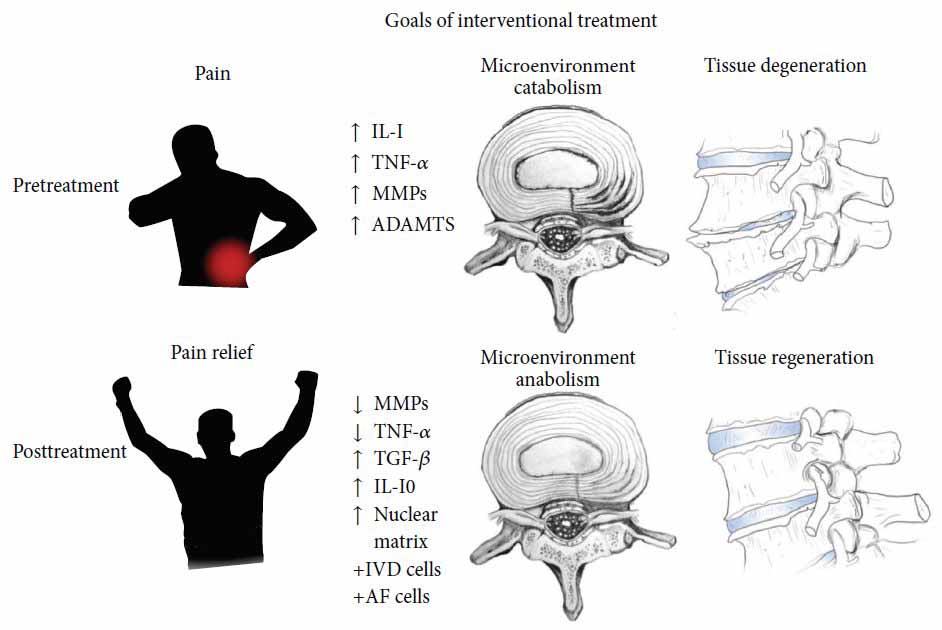
Pain often arises where a structure of the spine is inflamed. BMC contains stem cells and growth factors that are thought to communicate with the immune cells involved and to dampen this inflammation. It is injected into the inflamed vertebral body, facet joint, spinal ligament or disc, with the aim of reducing the pain and slowing further wear. Where a disc presses on a nerve purely mechanically, BMC is not the right treatment.
ANOVA IRM has not yet tested BMC for back pain in a clinical study. The current state of research is described in the clinical and scientific section below.
The ANOVA Back Pain Programme — Components
Precision MRI of the spine
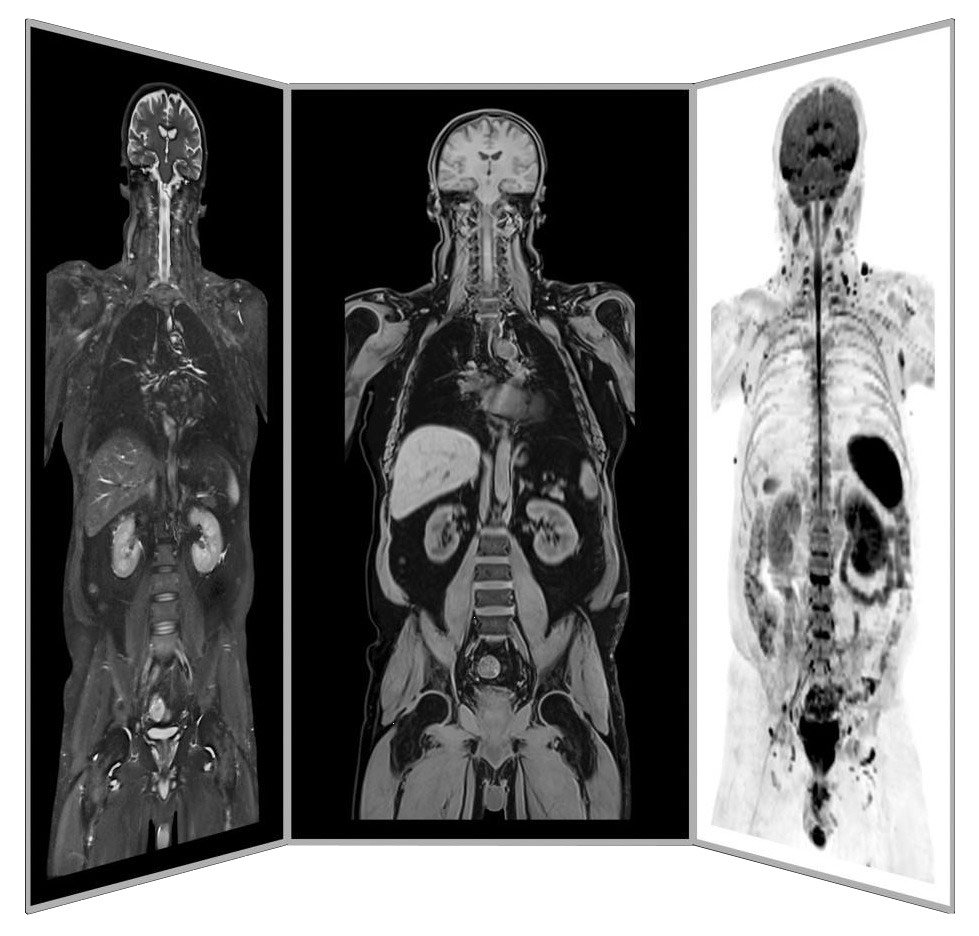
Our MRI of the spine is carried out with an intravenous contrast agent, which makes active inflammation visible. For the neck we add angled (oblique) views, because the nerve roots leave the cervical spine at an angle that routine images do not capture. From this we see which structure is inflamed and where BMC should be placed.
Bone marrow concentrate (BMC)
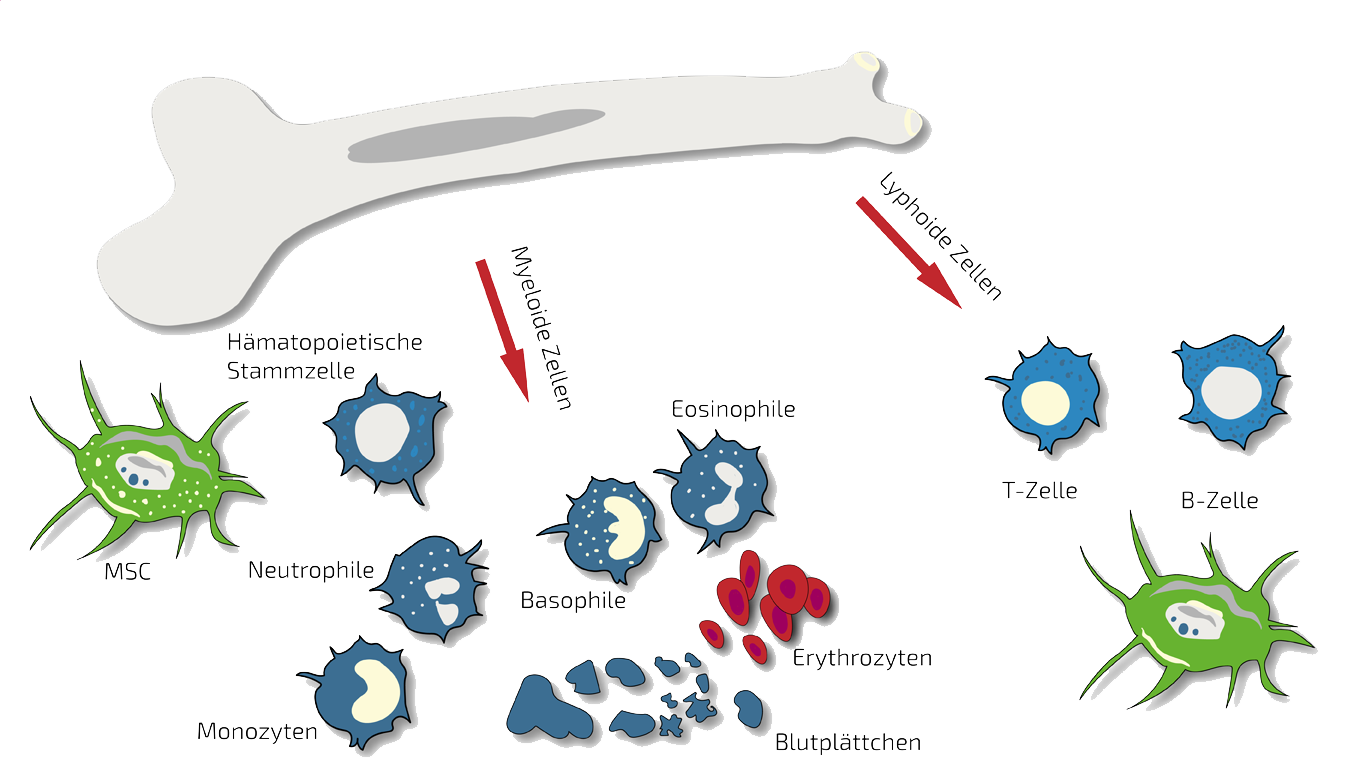
BMC is made from your own bone marrow and contains haematopoietic and mesenchymal stem cells in their natural composition, together with growth factors. It is collected from the pelvic bone (iliac crest) under brief sedation, concentrated, tested and injected under CT guidance on the same day, during a two-day visit. BMC is our main option when back pain arises from one or a few segments of the spine. The current state of research is set out in the clinical and scientific section below.
Which back and neck conditions do we treat?
After a diagnostic work-up we treat the following conditions of the lumbar, thoracic and cervical spine with BMC, where MRI shows inflammation at the source of pain:
- Degenerative disc disease and degenerative changes of the discs
- Inflamed vertebral bodies with Modic changes (active osteochondrosis)
- Facet joint syndrome and facet joint arthritis (facet arthropathy)
- Inflammation of the spinal ligaments (inter- and paraspinal ligaments)
- Chronic pain and inflammation of the spine after strains or minor injuries of vertebrae and ligaments
A herniated disc (disc prolapse) that compresses a nerve purely mechanically is not treated with BMC; we discuss other options with you. Spinal cord injuries are covered on our spinal cord injury page.
Which diagnostics do we use for back pain at ANOVA IRM?
We look for the cause of your pain. Dr. Stehling, founder of ANOVA IRM, is a radiologist and physicist. We work with the Prof. Dr. Stehling Institut für Bildgebende Diagnostik GmbH, which, like ANOVA IRM, belongs to Dr. Stehling and is located in the same building. Disc bulges and wear are common on MRI even in people without back pain, so a standard scan alone often does not explain the pain.[5] Contrast-enhanced MRI shows active inflammation, which points to the actual source of pain.
Which tests are used to diagnose back pain?
Diagnosis starts with your history and a physical examination, including the nerves of the legs or arms. MRI shows discs, vertebrae, facet joints, ligaments and nerve roots; with contrast it also shows inflammation. In the neck, angled (oblique) MRI views show the openings through which the nerve roots leave the spine more reliably than routine images.[7] X-ray and CT show the bone; blood tests prepare the treatment.
What do we review before back pain treatment at ANOVA IRM?
Before any treatment decision we review which structure causes your pain, whether it is inflamed and whether a nerve is compressed mechanically. We also check whether you are fit for the brief sedation needed for the bone marrow collection.
With BMC:
- Standard: no MRI required if recent, suitable images are available.
- Optional, often decisive: MRI with intravenous contrast and, for the neck, angled views.
- CT-guided application: always in the lumbar spine.
Your own doctors at home can carry out these examinations; please send us the results. Because few radiology departments routinely use contrast and angled views of the spine, we often recommend having them done in-house, where an MRI is often possible on the day of your appointment. If you would like existing findings assessed independently, we offer a second opinion. The full diagnostic pathway is described on our diagnostics page.
Why ANOVA IRM for back pain?
Our approach starts with diagnostics. Imaging is led by radiologists, and we have developed our own MRI protocols for disc and spine conditions. BMC is placed under imaging guidance into the inflamed structure: always under CT in the lower back, elsewhere under CT or X-ray fluoroscopy. An anaesthesiologist looks after you during the bone marrow collection, with the aim of keeping it as pain-free as possible. ANOVA IRM has manufactured BMC in its own facility in Offenbach since 2018; why no marketing authorisation is needed is explained on our regulatory status page. We advise international patients in English.

What can you expect as a patient with back pain?
First our patient care team tells you which information we need, such as MRI, CT or X-ray images and reports from your orthopaedic surgeon, and how to send large image files. We review your findings and images, also if you only want a second opinion on your conservative treatment. A counselling appointment with one of our physicians follows, by phone or video if you live outside Germany; on-site appointments are possible too. Our patient care team does not charge for its services. Before you decide, you receive an individual written cost estimate.
Quick answers
Is there a cure for back pain and degenerative disc disease?
Not in general. Acute back pain often settles within weeks, and many herniated discs shrink on their own over time.[4] Degenerative disc disease itself cannot be reversed; treatment aims to relieve pain and keep you active. Exercise and physiotherapy come first; injections, nerve ablation and surgery are options for selected patients. BMC at ANOVA IRM is an experimental option alongside these treatments, not a cure.
Does stem cell therapy cure back pain or disc degeneration?
No. Stem cell therapy is not a cure for back pain or disc degeneration. The use aims at the inflammation in a vertebral body, facet joint, ligament or disc that causes the pain, in addition to exercise and the treatment by your doctors.
Is stem cell therapy for back pain legal in Germany?
Yes, if the manufacturer holds the required authorisations from the authorities. ANOVA IRM holds a procurement authorisation (Section 20b AMG) and a manufacturing authorisation (Section 13 AMG) for BMC. The injection into the spine is an individual treatment attempt; see our regulatory status page.
Is stem cell therapy for back pain safe?
Not without qualification. The bone marrow collection and an injection into the spine carry risks, such as infection, bleeding or irritation of a nerve, which your doctor explains to you beforehand. CT guidance helps to place the needle precisely. As BMC comes from your own body, no donor cells are used. Products made under authorisation and official inspection are to be regarded as safer than those from unregulated providers. Ask any provider which authorisations apply to its products; see also unproven therapies.
What medication is used for back pain?
For back pain, guidelines recommend medication only for a limited time and alongside exercise: mainly non-steroidal anti-inflammatory drugs such as ibuprofen; opioids only in exceptional cases.[8] For radiating nerve pain, injections of cortisone near the nerve root are also used. BMC is given in addition to this treatment and does not replace it.
Who qualifies, what the process actually involves, and what it costs — step by step.
You are hereBack Pain and Spine Treatment: Eligibility, Process & Cost
BMC treatment for back pain at ANOVA IRM costs approximately €8,000–€9,000 and requires one two-day outpatient visit to Offenbach, Germany. It is available to adults with chronic back or neck pain in whom precision MRI shows inflammation at the source of pain.
What does the back pain treatment timeline look like?
- 01
Remote assessment
Review of your history, previous treatment and images by email, phone or video; two weeks to a few months, depending on available appointments.
- 02
Screening at home
Blood test and recent images before you travel, to avoid an unnecessary journey.
- 03
Day 1 in Offenbach
Consultation and consent, blood tests and, where needed, MRI with contrast; planning of the injection site.
- 04
Day 2 in Offenbach
Bone marrow collection under brief sedation; BMC is concentrated, tested and injected under CT guidance the same day.
- 05
Follow-up
Exercise and physiotherapy at home; review of your progress by phone or video; a repeat treatment is possible after assessment.
Who qualifies for back pain treatment, and what are the requirements?
BMC may be considered for adults with chronic back or neck pain that persists despite exercise, physiotherapy and medication, after a full diagnostic work-up. Most suitable are patients in whom MRI shows inflammation in one or a few segments, such as a vertebral body, facet joint, ligament or disc. Requirements are fitness for the brief sedation used for the bone marrow collection and a visit to Offenbach. Your doctor weighs the possible benefit against the risks for you and recommends treatment only where the benefit is likely to outweigh them.
What are the contraindications for back pain treatment?
Our treatments are experimental. We treat only people for whom, after medical assessment, we consider the benefit-risk balance to support treatment.
Applies to all ANOVA treatments:
- Active cancer within the last two years
- Under the age of legal majority
- Pregnancy or breastfeeding
- Active infectious disease (hepatitis A, B, C, HIV, syphilis or other)
Specific to back pain:
- Rapidly increasing weakness or loss of control in the legs — this needs urgent surgical assessment
- Infection of the spine or of the skin at the injection site
- Unable to breathe unaided, difficulty breathing in the supine position or severe difficulty swallowing (dysphagia), because of the sedation
- Psychiatric disorder that would prevent informed consent or cooperation
A blood clotting disorder or blood-thinning medication is not in itself a contraindication, but please tell us about it before your visit.
What does back pain therapy at ANOVA IRM involve, step by step?
Treatment for back pain follows fixed phases. We begin with your medical history, your previous treatments and an initial consultation with an indication statement on whether BMC may help you. Preliminary examinations, precision diagnostics, a discussion of all treatment options and a written plan with cost estimate follow. Finally, bone marrow is collected, BMC is prepared and tested, and it is injected at the source of pain.
What screening is needed before you travel for back pain treatment?
A short screening in your home country helps you avoid a journey that would not lead to treatment. It usually consists of a blood test for infections and other reasons against treatment, plus your recent spine images and doctors’ letters.
What happens at your visit to Offenbach for back pain?
You spend two consecutive days in Offenbach as an outpatient. On day one, your doctor explains the treatment, obtains your consent and takes blood; an MRI with contrast can be added. On day two, bone marrow is taken from the pelvic bone under brief sedation, and BMC is injected under CT guidance a few hours later.
How is your BMC produced and quality-controlled?
BMC is prepared on the day of collection in our own facility in Offenbach, under a manufacturing authorisation (Section 13 AMG) and good manufacturing practice (GMP). The bone marrow is concentrated but not multiplied in the laboratory; key quality tests are completed before the injection, further tests follow afterwards.
How is BMC applied in back pain?
BMC for back pain is given during one visit of two days, as with all BMC treatments. Degenerative disc disease and facet joint disease are chronic; BMC is intended to modify their course (disease-modifying), not to cure them. The treatment may therefore need to be repeated. The schedule is set individually for each patient, for example:
- Standard route for back pain: local injection into the disc (intradiscal), the facet joint, the inflamed vertebral body or the affected ligament, depending on the source of pain
- Several segments can be treated during the same visit; depending on the area to be treated, a double BMC may be needed
- CT guidance: always in the lumbar spine
- BMC is given only locally, never into a vein
- A repeat after assessment requires a new bone marrow collection
What does back pain treatment with BMC cost?
BMC treatment for back pain costs approximately €8,000 to €9,000 and is billed according to the German Medical Fee Schedule (GOÄ). As CT always guides the injection in the lumbar spine, the cost there is closer to €9,000. An MRI with contrast beforehand, the number of treated segments, a double BMC where the area to be treated requires it, and your wishes regarding sedation also affect the total. Treatment is generally self-funded. Before any decision you receive an individual written estimate. Our blog post on treatment cost explains what drives the cost of stem cell treatment in general. Travel and accommodation are not included. All prices are subject to change.
How does the cost of back pain treatment vary with the application route?
All treatments at ANOVA IRM are billed according to the German Medical Fee Schedule (Gebührenordnung für Ärzte, GOÄ). For back pain, BMC is always injected locally; the cost depends mainly on CT guidance, on the number of segments, on whether a double BMC is needed and on any MRI beforehand. Your written cost estimate shows the exact amount.
Frequently asked questions — eligibility, process and travel
How is BMC administered for back pain?
BMC is injected under CT guidance into the structure that causes the pain: the disc, a facet joint, a vertebral body or a spinal ligament. One of our physicians gives the injection on the second day in Offenbach.
How long does the whole process for back pain treatment take?
The remote assessment takes about two weeks to a few months and needs no travel. Bone marrow collection and injection into the spine then take two consecutive days in Offenbach.
Does health insurance cover stem cell therapy for back pain in Germany?
No. Health insurers currently do not reimburse BMC for back pain because it is an experimental treatment, so you pay for it yourself. An individual request to your insurer is still possible, but rarely successful.
Should I stop my current back pain medication such as ibuprofen or other NSAIDs?
No. Please continue your medication as agreed with your treating doctor.
Should I continue my existing back pain treatment such as physiotherapy and exercise?
Yes. Exercise and physiotherapy remain the basis of back pain treatment; BMC does not replace them. We are glad to coordinate our treatment with your family doctor or orthopaedic surgeon at home.
How often do I need to travel to Germany for back pain stem cell treatment?
Usually once, for two consecutive days in Offenbach, less than 20 minutes from Frankfurt Airport. A repeat treatment means another visit. How bone marrow is collected and processed is explained on our BMC page.
What medical records should I send for a back pain assessment?
Please send us your most recent documents; we will ask if we need anything else. Helpful are, for example, MRI or CT images of the spine with reports, letters from your orthopaedic surgeon or neurologist, and a list of previous injections or operations. For large image files, our team explains how to transfer them.
Does ANOVA IRM treat international patients with back pain?
Yes. Patients from abroad with back or neck pain are advised in English, and the first assessment takes place by email, phone or video.
How disc degeneration develops, the standard of care, the rationale for BMC and all references.
You are hereBack Pain and Disc Degeneration: Clinical & Scientific Evidence
1. What happens in degenerative disc disease and other spine conditions?
An intervertebral disc consists of a gel-like core (nucleus pulposus) surrounded by a fibrous ring (annulus fibrosus). In a healthy disc, the core binds water and acts as a shock absorber between two vertebrae. With age and load, the core loses water, the disc loses height and the openings through which the nerve roots leave the spine (neuroforamina) narrow. The ring can tear, and parts of the core can bulge or herniate and press on a nerve root.[2] The adjacent vertebral endplates can become inflamed, and the facet joints wear down because they carry more load.
Unlike osteoarthritis of the knee or hip, degeneration of the spine affects a chain of structures at once: disc, vertebral endplates, facet joints, ligaments and nerve roots. In rheumatoid arthritis, the spine is rarely the starting point. Injuries of the joints of the limbs are covered on our joints page.
What causes back pain, and what are the risk factors?
Most back pain cannot be traced to a single structure. In about four in ten people with chronic low back pain, a damaged disc (internal disc disruption) is the source.[3] Other sources are the facet joints, inflamed vertebral endplates, the sacroiliac joints and the spinal ligaments. The main risk factors are:[2]
- Older age and wear of the discs
- Physically heavy work, lifting and long periods of sitting, for example at a computer with a poor posture
- Lack of exercise and excess weight
- Smoking
- Earlier injuries of the spine, for example from sport or accidents
- Stress, low mood and fear of movement, which make pain more likely to become chronic
What drives the progression of back pain and disc degeneration?
The cause and what drives it forward are two separate questions. Once a disc is damaged, the cells in its core produce enzymes and inflammatory messengers that break down the matrix further. Tissue from a torn disc can trigger inflammation around the nerve root, and overloaded facet joints and endplates become inflamed in turn. Inactivity and fear of movement can keep the pain going.[2] Our programme is aimed at this inflammation, not at the original cause.

2. What is the guideline-based standard of care for back pain?
According to international guidelines, the core treatment of back pain consists of information, staying active, exercise therapy and physiotherapy; psychological approaches help with chronic pain.[8] The standard of care also includes:
- Pain medication for a limited time, mainly non-steroidal anti-inflammatory drugs; details on medication are on our osteoarthritis page
- Injections near the nerve root (epidural or periradicular) or into the facet joints, with cortisone and a local anaesthetic
- A diagnostic test injection: a local anaesthetic into the suspected source of pain; if the pain improves, this helps to confirm the source
- Radiofrequency denervation of the facet joints and ablation of the basivertebral nerve for selected patients
- Intradiscal treatment of a herniated disc, for example with gelified ethanol (an alcohol gel that shrinks the herniated tissue)
- Surgery: removal of disc tissue (microdiscectomy), decompression of a nerve root or the spinal canal, spinal fusion or an artificial disc
Glucosamine injections and heating of the disc (intradiscal electrothermal therapy, IDET) are being investigated; hyaluronic acid, used mainly in joints, is described on our osteoarthritis page.
Important: This is the established standard of care. ANOVA IRM’s programme is offered alongside — not in place of — appropriate established treatment. We do not perform the interventional procedures and operations listed above ourselves; your doctor discusses whether one of them is suitable and refers you where appropriate.
What do interventional procedures for back pain achieve?
Ablation of the basivertebral nerve (the nerve inside the vertebral body that carries pain from the endplates) treats pain from inflamed vertebral endplates (Modic changes) with heat. In a sham-controlled external study, function improved more than with a sham procedure after three months in the patients treated according to protocol, and pooled external data show lasting improvement after five years.[9],[10] In an external study, radiofrequency denervation of the facet joints (heat to switch off the small nerves of these joints) helped many carefully selected patients for more than a year.[11] In three external randomised studies, however, a clinically important benefit in addition to an exercise programme could not yet be demonstrated.[12]
Injection of gelified ethanol into a herniated disc improved symptoms in most patients in external case series without a control group.[13],[14] In the neck, nerve roots are often compressed by worn uncovertebral joints (small joints at the sides of the cervical vertebrae) rather than by a disc. An operation from behind can preserve the natural disc where it is suitable.
How do common back pain treatments compare in effect, risks and side effects?
| Treatment | Given as | Pain | Function | Disc and joints | Risks | Side effects |
|---|---|---|---|---|---|---|
| Exercise therapy and physiotherapy | Supervised programme, exercises at home | Reduced in many patients | Improved | No direct effect | Very low | Temporary muscle soreness |
| Pain medication, e.g. NSAIDs | Tablets | Reduced for a short time | Little effect | No effect | Stomach bleeding, kidney and heart disease | Stomach pain |
| Cortisone injection near the nerve root or into the facet joint | Injection under imaging | Reduced for weeks in radiating pain | Improved in the short term | No effect | Infection, bleeding, nerve irritation (rare) | Raised blood sugar, flushing |
| Radiofrequency denervation and basivertebral nerve ablation | Probe under imaging | Reduced in selected patients | Improved in selected patients | No effect | Nerve injury, infection (rare) | Temporary pain or numbness |
| Intradiscal gelified ethanol | Injection into the disc | Reduced in case series | Improved in case series | Herniation reduced | Leakage of the gel, infection (rare) | Temporary pain |
| Surgery: discectomy, decompression, fusion, artificial disc | Operation | Reduced in well-selected patients | Varies | Disc tissue removed, segment fused or replaced | Infection, nerve injury, further operations | Rehabilitation for weeks to months |
What can you do yourself with back pain: exercise, posture and sport?
Staying active is the most important thing you can do yourself. Before chiropractic, osteopathic or manual treatment of the spine, a fracture or a herniated disc should be ruled out by MRI. A physiotherapist can show you stabilising exercises for the back and neck muscles that, done regularly, can improve movement and reduce pain. Check whether your legs are the same length and whether a pelvic misalignment loads your spine on one side.
In many cases, moderate sport helps. With neck problems, cycling on an upright bike is better than a racing bike; have the saddle height adjusted first. Swimming is gentle on the spine, especially front crawl, backstroke or breaststroke with a float. Walking and Nordic walking are also suitable; your physiotherapist advises which movements to avoid. Losing excess weight and stopping smoking relieve the spine. We are glad to advise you on supplements and infusion therapies alongside your treatment.
When is spinal surgery or an artificial disc needed for back pain?
Surgery is needed urgently when nerves are severely compressed, with paralysis or loss of bladder or bowel control. Otherwise it is an option when pain and limitation persist despite conservative treatment and the source is clearly identified. For many operations on the lower back, the evidence of benefit over conservative treatment is limited.[15] An artificial disc (total disc replacement) preserves movement of the segment, while fusion stiffens it; both require weeks to months of rehabilitation. The risks of lumbar disc replacement are summarised by Johns Hopkins Medicine.
Stem cell therapy is therefore an option some patients consider before spinal surgery, with the aim of postponing it. Whether BMC can postpone or avoid an operation has not been investigated in controlled studies.
How is back pain diagnosed, and what do we not do ourselves?
Back pain is diagnosed from the history, a physical and neurological examination and, where needed, imaging. Typical X-ray findings of degenerative disc disease (DDD) are a narrowed disc space, displacement of vertebrae and bony spurs (osteophytes). MRI grades disc degeneration on the Pfirrmann scale, from grade I, a healthy bright disc of normal height, to grade V, a collapsed dark disc.[6] Disc bulges are found in about 30% of 20-year-olds and 84% of 80-year-olds without back pain, so findings must match the symptoms.[5] Physiotherapy, interventional procedures and operations stay with your treating doctors; we carry out MRI and CT ourselves at the Institut für Bildgebende Diagnostik in the same building.
3. What is the scientific rationale for BMC in back pain?
Bone marrow concentrate (BMC)
ANOVA IRM has not yet tested BMC for back pain in a clinical study. In a small external study without a control group, 26 patients with degenerative disc disease received BMC into the disc. After three years, 6 had needed surgery; in the other 20, the Oswestry Disability Index (ODI, a questionnaire on limitations in everyday life) fell from 57 to 18 and pain fell markedly.[16],[17] MRI after one year showed a better Pfirrmann grade in 40%, and no patient worsened. A retrospective external analysis also reported less pain and better function after BMC.[18]
In an older small external study with haematopoietic stem cells from bone marrow injected into the disc, a reduction of pain after one year could not yet be demonstrated.[19] Studies of BMC injected into vertebral bodies, facet joints or spinal ligaments are, to our knowledge, not available. There is no phase 3 study of BMC in back pain.
What is the efficacy hypothesis behind BMC in back pain?
In a degenerated disc, few cells remain and the environment is dominated by breakdown and inflammation. Stem cells and their messengers (the secretome) are thought to communicate with the remaining disc cells and the immune cells. They are thought to dampen inflammation in the disc, the endplates and the facet joints and so reduce pain. Whether this can also slow the breakdown of the disc is being investigated; BMC is not intended to rebuild a collapsed disc.
Mesenchymal stem cells and secretome — analogous evidence
Studies with cultured mesenchymal stem cells, a different product from BMC, point in the same direction. In a small external pilot study, cells from the patients’ own bone marrow injected into the disc reduced pain and disability, and the disc held more water after one year.[20] In a small external randomised study with donor cells, pain and disability improved more than in the control group, mainly in a subgroup of responders.[21] In external laboratory studies, stem cells and disc core cells exchanged membrane components and extracellular vesicles, which are part of the secretome.[24],[25] A review summarises these mechanisms.[26]
In an external phase 3 study, 404 patients received cultured donor mesenchymal precursor cells, again a different product from BMC, into the disc. Its predefined combined goal for pain, function and no further intervention could not yet be demonstrated.[22] A second external phase 3 study with this product is under way; its main results are expected from mid-2027.[23]
Senescent cells in disc degeneration
Ageing (senescent) cells accumulate in degenerating discs and release inflammatory messengers. In an external laboratory and animal study in mice, removing such cells reduced age-related disc degeneration.[27] Whether this applies to people with back pain is not known. Senolytic therapy is not part of the back pain programme; it is described on our senolytic therapy page.
Talk to us about current changes or additions to the back pain programme. For a number of conditions, ANOVA IRM also offers infusion therapies alongside the treatment described here.
4. Where does our own back pain evidence stand?
We have not yet evaluated our own data on back pain. This section therefore summarises published external evidence, not our own patient outcomes. Some patients describe their experience on our testimonials page; these are individual accounts, not evidence that a treatment works.
How do we assess the course after back pain treatment?
After treatment, we ask about and assess the following:
- Pain, measured on a visual analogue scale (VAS)
- Disability in everyday life, measured with the Oswestry Disability Index (ODI)
- Radiating pain, numbness and strength in the legs or arms
- Use of pain medication and further injections
- MRI of the treated segment, where useful, including the Pfirrmann grade
What the published back pain evidence does not yet tell us
- Most studies of BMC in the disc are small, and none has a placebo control.
- The bone marrow products studied were prepared and dosed differently from BMC at ANOVA IRM.
- Long-term safety data are limited, including whether long-term side effects known from cortisone are avoided.
- In Germany and the EU, no stem cell-based treatment is approved as a standard treatment for back pain.
5. Legal framework for BMC in back pain
For back pain, ANOVA IRM uses BMC, an advanced therapy medicinal product. It is manufactured under a procurement authorisation (Section 20b AMG) and a manufacturing authorisation (Section 13 AMG) of the Hessian State Office for Health and Care (HLfGP), which inspects the facility regularly. The injection into the spine is given as an individual treatment attempt (individueller Heilversuch), after full disclosure and with your informed consent. As BMC is used only for our own patients, it requires no authorisation under Section 4b, no marketing authorisation under Section 21 and no approval under Section 21a AMG. More on our regulatory status page.
6. Frequently asked questions — back pain, evidence and approval status
Is stem cell therapy approved for back pain or disc degeneration anywhere?
No. To our knowledge, no stem cell-based treatment is approved for back pain or degenerative disc disease in Germany, the EU or the US. ANOVA IRM gives BMC for back pain as an individual treatment attempt, after individual medical assessment and informed consent.
Can stem cell therapy regenerate a degenerated disc?
Is success guaranteed with stem cell treatment for back pain?
No. Whether BMC eases your back pain cannot be predicted. Treatment is recommended only when your doctor has weighed the possible benefit for you against the risks and expects the benefit to outweigh them.
How does a herniated disc cause pain, numbness or sciatica?
A herniated disc presses on a nerve root where it leaves the spine, and the escaped disc tissue triggers inflammation around it. This causes pain radiating into the leg (sciatica) or the arm (radiculopathy), often with numbness, tingling or weakness. Over time, narrowing of the disc space and the openings for the nerves can add to the pressure.
What is a herniated disc?
In a herniated disc (slipped disc, disc prolapse or disc herniation), part of the gel-like core pushes through the fibrous ring into the spinal canal. Most herniations occur in the lumbar spine, fewer in the neck. A bulge without a tear is called a protrusion. Many herniations shrink on their own over months.[4]
How is the spine built?
The spine is the central axis of the skeleton and is divided into five sections with 24 free vertebrae, two fused bones and 23 discs:
- 7 cervical vertebrae (C1 to C7)
- 12 thoracic vertebrae (T1 to T12)
- 5 lumbar vertebrae (L1 to L5)
- The sacrum, formed from five fused vertebrae
- The coccyx, formed from several fused vertebrae
The number of free lumbar vertebrae can vary between four and six.
What type of stem cell therapy does ANOVA use for back pain?
Only bone marrow concentrate (BMC), taken from your own pelvic bone and injected into the spine under CT guidance; it contains mesenchymal and haematopoietic stem cells and growth factors. Details are on our BMC page.
What are the symptoms of degenerative disc disease and a herniated disc?
The main symptoms are back or neck pain and, when a nerve is compressed, radiating pain:
- Deep, aching pain in the lower back or neck, worse on sitting, bending or lifting
- Pain radiating into a buttock and leg (sciatica) or into the shoulder and arm
- Numbness, tingling or weakness in the leg, foot, arm or hand
- Stiffness and reduced mobility of the spine
- Flare-ups lasting days to weeks
Which forms of back pain are there, and how does it progress?
Back pain is classified by its duration — acute (up to six weeks), subacute and chronic (longer than three months) — and by its source. Many episodes improve within weeks, but back pain often recurs.[2]
- Non-specific back pain: no single structural cause can be identified; the most common form.
- Discogenic pain and degenerative disc disease (DDD): pain from a worn disc.
- Herniated disc with radiculopathy: compression of a nerve root, with radiating pain.
- Facet joint syndrome: pain from worn or inflamed small joints of the spine.
- Vertebrogenic pain: pain from inflamed vertebral endplates (Modic changes).
- Spinal stenosis: narrowing of the spinal canal, with leg pain on walking.
What complications can back pain and disc degeneration cause?
Chronic back pain can limit work, sleep and everyday activities and is associated with low mood. A herniated disc can damage a nerve root, leaving numbness or weakness. Rarely, severe compression of the nerves in the lower spinal canal (cauda equina syndrome) causes loss of bladder or bowel control and needs emergency surgery.
Important Pages
Questions people usually ask next. Each is answered in full on its own page.
- Who are we?
- Is ANOVA legal?
- Is stem cell therapy safe?
- What is BMC (Bone Marrow Concentrate)?
- What is the stem cell secretome?
- What are stem cells?
- What should I ask when looking for a stem cell treatment?
- Which stem cell therapies does ANOVA offer?
- Which conditions do we treat?
- Joint and back pain — overview
- Joints and sport injuries
- Osteoarthritis
- Spinal cord injury
Affiliations of ANOVA
ANOVA IRM shares its premises in Offenbach with two further institutions owned by Dr. Stehling: the Institut für Bildgebende Diagnostik (IBDO), providing MRI and CT imaging, and the VITUS PRIVATKLINIK Prof. Dr. Stehling GmbH. Because imaging is carried out in the same building, contrast-enhanced and angled MRI of the spine and CT-guided injections can be performed in-house. See diagnostics at ANOVA IRM.
References — back pain and disc literature
General literature on joint and back pain is maintained on the pillar page, and on bone marrow on the BMC page.
Back pain and disc degeneration — frequency, causes and course
- [1] GBD 2021 Low Back Pain Collaborators. Global, regional, and national burden of low back pain, 1990–2020, its attributable risk factors, and projections to 2050: a systematic analysis of the Global Burden of Disease Study 2021. Lancet Rheumatol. 2023;5(6):e316–e329. doi:10.1016/S2665-9913(23)00098-X. PMID: 37273833.
- [2] Hartvigsen J, Hancock MJ, Kongsted A, et al. What low back pain is and why we need to pay attention. Lancet. 2018;391(10137):2356–2367. doi:10.1016/S0140-6736(18)30480-X. PMID: 29573870.
- [3] Schwarzer AC, Aprill CN, Derby R, et al. The prevalence and clinical features of internal disc disruption in patients with chronic low back pain. Spine (Phila Pa 1976). 1995;20(17):1878–1883. doi:10.1097/00007632-199509000-00007. PMID: 8560335.
- [4] Chiu CC, Chuang TY, Chang KH, et al. The probability of spontaneous regression of lumbar herniated disc: a systematic review. Clin Rehabil. 2015;29(2):184–195. doi:10.1177/0269215514540919. PMID: 25009200.
Diagnostics and imaging of the spine
- [5] Brinjikji W, Luetmer PH, Comstock B, et al. Systematic literature review of imaging features of spinal degeneration in asymptomatic populations. AJNR Am J Neuroradiol. 2015;36(4):811–816. doi:10.3174/ajnr.A4173. PMID: 25430861.
- [6] Pfirrmann CW, Metzdorf A, Zanetti M, et al. Magnetic resonance classification of lumbar intervertebral disc degeneration. Spine (Phila Pa 1976). 2001;26(17):1873–1878. doi:10.1097/00007632-200109010-00011. PMID: 11568697.
- [7] Shim JH, Park CK, Lee JH, et al. A comparison of angled sagittal MRI and conventional MRI in the diagnosis of herniated disc and stenosis in the cervical foramen. Eur Spine J. 2009;18(8):1109–1116. doi:10.1007/s00586-009-0932-x. PMID: 19294432.
Standard of care: guidelines, interventional procedures and surgery
- [8] Foster NE, Anema JR, Cherkin D, et al. Prevention and treatment of low back pain: evidence, challenges, and promising directions. Lancet. 2018;391(10137):2368–2383. doi:10.1016/S0140-6736(18)30489-6. PMID: 29573872.
- [9] Fischgrund JS, Rhyne A, Franke J, et al. Intraosseous basivertebral nerve ablation for the treatment of chronic low back pain: a prospective randomized double-blind sham-controlled multi-center study. Eur Spine J. 2018;27(5):1146–1156. doi:10.1007/s00586-018-5496-1. PMID: 29423885.
- [10] Khalil JG, Truumees E, Macadaeg K, et al. Intraosseous basivertebral nerve ablation: a 5-year pooled analysis from three prospective clinical trials. Interv Pain Med. 2024;3(4):100529. doi:10.1016/j.inpm.2024.100529. PMID: 39758714.
- [11] Conger A, Burnham T, Salazar F, et al. The effectiveness of radiofrequency ablation of medial branch nerves for chronic lumbar facet joint syndrome in patients selected by guideline-concordant dual comparative medial branch blocks. Pain Med. 2020;21(5):902–909. doi:10.1093/pm/pnz248. PMID: 31609391.
- [12] Juch JNS, Maas ET, Ostelo RWJG, et al. Effect of radiofrequency denervation on pain intensity among patients with chronic low back pain: the Mint randomized clinical trials. JAMA. 2017;318(1):68–81. doi:10.1001/jama.2017.7918. PMID: 28672319.
- [13] Bellini M, Romano DG, Leonini S, et al. Percutaneous injection of radiopaque gelified ethanol for the treatment of lumbar and cervical intervertebral disk herniations: experience and clinical outcome in 80 patients. AJNR Am J Neuroradiol. 2015;36(3):600–605. doi:10.3174/ajnr.A4166. PMID: 25395657.
- [14] Latka K, Kozlowska K, Waligora M, et al. Efficacy of DiscoGel in treatment of degenerative disc disease: a prospective 1-year observation of 67 patients. Brain Sci. 2021;11(11):1434. doi:10.3390/brainsci11111434. PMID: 34827432.
- [15] Jacobs WC, Rubinstein SM, Willems PC, et al. The evidence on surgical interventions for low back disorders, an overview of systematic reviews. Eur Spine J. 2013;22(9):1936–1949. doi:10.1007/s00586-013-2823-4. PMID: 23681497.
Bone marrow concentrate (BMC) in degenerative disc disease
- [16] Pettine KA, Murphy MB, Suzuki RK, et al. Percutaneous injection of autologous bone marrow concentrate cells significantly reduces lumbar discogenic pain through 12 months. Stem Cells. 2015;33(1):146–156. doi:10.1002/stem.1845. PMID: 25187512.
- [17] Pettine KA, Suzuki RK, Sand TT, et al. Autologous bone marrow concentrate intradiscal injection for the treatment of degenerative disc disease with three-year follow-up. Int Orthop. 2017;41(10):2097–2103. doi:10.1007/s00264-017-3560-9. PMID: 28748380.
- [18] Wolff M, Shillington JM, Rathbone C, et al. Injections of concentrated bone marrow aspirate as treatment for discogenic pain: a retrospective analysis. BMC Musculoskelet Disord. 2020;21(1):135. doi:10.1186/s12891-020-3126-7. PMID: 32111220.
- [19] Haufe SM, Mork AR. Intradiscal injection of hematopoietic stem cells in an attempt to rejuvenate the intervertebral discs. Stem Cells Dev. 2006;15(1):136–137. doi:10.1089/scd.2006.15.136. PMID: 16522171.
Mesenchymal stem cells and secretome — analogous evidence, not BMC itself
- [20] Orozco L, Soler R, Morera C, et al. Intervertebral disc repair by autologous mesenchymal bone marrow cells: a pilot study. Transplantation. 2011;92(7):822–828. doi:10.1097/TP.0b013e3182298a15. PMID: 21792091.
- [21] Noriega DC, Ardura F, Hernández-Ramajo R, et al. Intervertebral disc repair by allogeneic mesenchymal bone marrow cells: a randomized controlled trial. Transplantation. 2017;101(8):1945–1951. doi:10.1097/TP.0000000000001484. PMID: 27661661.
- [22] Mesoblast, Ltd. A prospective, multicenter, randomized, double-blind, placebo-controlled study to evaluate the efficacy and safety of a single injection of rexlemestrocel-L alone or combined with hyaluronic acid (HA) in subjects with chronic low back pain (MSB-DR003). Phase 3, 404 participants, completed 2021, results posted. ClinicalTrials.gov NCT02412735 (manufacturer-sponsored; registry results, no peer-reviewed full publication).
- [23] Mesoblast, Ltd. A prospective, multicenter, randomized, double-blind, controlled study to evaluate the efficacy and safety of a single injection of rexlemestrocel-L combined with HA in subjects with moderate to severe chronic low back pain (MSB-DR004). Phase 3, ongoing; primary completion estimated July 2027. ClinicalTrials.gov NCT06325566 (manufacturer-sponsored).
- [24] Strassburg S, Richardson SM, Freemont AJ, et al. Co-culture induces mesenchymal stem cell differentiation and modulation of the degenerate human nucleus pulposus cell phenotype. Regen Med. 2010;5(5):701–711. doi:10.2217/rme.10.59. PMID: 20868326.
- [25] Strassburg S, Hodson NW, Hill PI, et al. Bi-directional exchange of membrane components occurs during co-culture of mesenchymal stem cells and nucleus pulposus cells. PLoS One. 2012;7(3):e33739. doi:10.1371/journal.pone.0033739. PMID: 22438989.
- [26] Drazin D, Rosner J, Avalos P, et al. Stem cell therapy for degenerative disc disease. Adv Orthop. 2012;2012:961052. doi:10.1155/2012/961052. PMID: 22593830.
Senescent cells in disc degeneration
- [27] Patil P, Dong Q, Wang D, et al. Systemic clearance of p16INK4a-positive senescent cells mitigates age-associated intervertebral disc degeneration. Aging Cell. 2019;18(3):e12927. doi:10.1111/acel.12927. PMID: 30900385.
Contraindications
Our stem cell treatments are experimental, but we only treat patients for whom we believe the risk/benefit ratio indicates treatment based on the state of the art, i.e., medical, scientific evidence.
Please understand that we therefore do not treat patients for whom the following points apply:
- Active cancer in the last two years
- Not yet of legal age
- Existing pregnancy or lactation period
- Unable to breathe on own, ventilator
- Difficulty breathing in supine position
- Dysphagia (extreme difficulty swallowing)
- Psychiatric disorder
- Active infectious disease (Hepatitis A, B, C, HIV, Syphilis, or other)