

Stem Cell Therapy for Joint and Back Pain
The ANOVA RA Stem Cell Treatment Programme Germany
An individualised treatment programme with autologous bone marrow concentrate (BMC) and cell-free MSC secretome (MSEC) for adults with rheumatoid arthritis (RA). BMC is injected into affected joints; MSEC is given into a vein when several joints are involved. Offenbach, Germany. Experimental — fully legal — manufactured under German regulatory authorisation and official inspection since 2018.
Rheumatoid arthritis is a chronic inflammatory autoimmune disease that usually starts in the joints of the hands and feet.[1] Modern medication controls the disease in many people, but not in all, and none of it cures RA. Beyond relieving symptoms, our programme is intended to calm the immune reaction and the inflammation in the joints and to slow joint damage. It is offered alongside — never instead of — treatment by your rheumatologist.
| Component | Detail |
|---|---|
| Two products | Bone Marrow Concentrate (BMC) and Mesenchymal Stem Cell Secretome (MSEC), each manufactured under official authorisation; no marketing authorisation (experimental) |
| Authorisations | BMC § 20b / § 13 AMG · MSEC § 20b / § 20c AMG (German Medicines Act) |
| Location | Offenbach am Main, Germany |

Rheumatoid arthritis in brief, the forms we treat and the programme with its three components — the essentials at a glance.
You are hereIntroduction & Summary
What is rheumatoid arthritis (RA), in brief?
Rheumatoid arthritis (RA), also called chronic polyarthritis and often simply rheumatism, is an autoimmune disease. The immune system attacks the lining of the joints (synovium), which becomes inflamed, thickens and gradually damages cartilage and bone. About 17.6 million people worldwide had RA in 2020, women about two and a half times as often as men.[1],[2] Over the years, about four in ten people with RA also develop changes outside the joints, for example in the lungs, blood vessels, eyes or skin.[3]
Rheumatoid arthritis and osteoarthritis are different diseases. In RA, an autoimmune inflammation comes first and damages the joint; osteoarthritis (OA) begins with wear of the cartilage, often in a single knee or hip.
Typical symptoms are:
- Painful, swollen and warm joints, usually on both sides of the body
- Morning stiffness lasting longer than 30 minutes, often an hour or more
- Start in the small joints of the fingers, hands and toes
- Tiredness (fatigue), sometimes fever and weight loss
Doctors distinguish seropositive RA, with rheumatoid factor or antibodies against citrullinated proteins (anti-CCP) in the blood, from seronegative RA; early RA is the phase of the first months. The disease often runs in flare-ups and calmer phases. To date no cure is known for rheumatoid arthritis. More details can be found below in our scientific section on rheumatoid arthritis.

What is the ANOVA RA programme?
ANOVA offers autologous bone marrow concentrate (BMC) and MSC secretome (MSEC) for rheumatoid arthritis. The programme has three components: a diagnostic MRI, BMC injected into affected joints and MSEC given into a vein when many joints are involved. Each component is selected individually; the programme is not a fixed package.
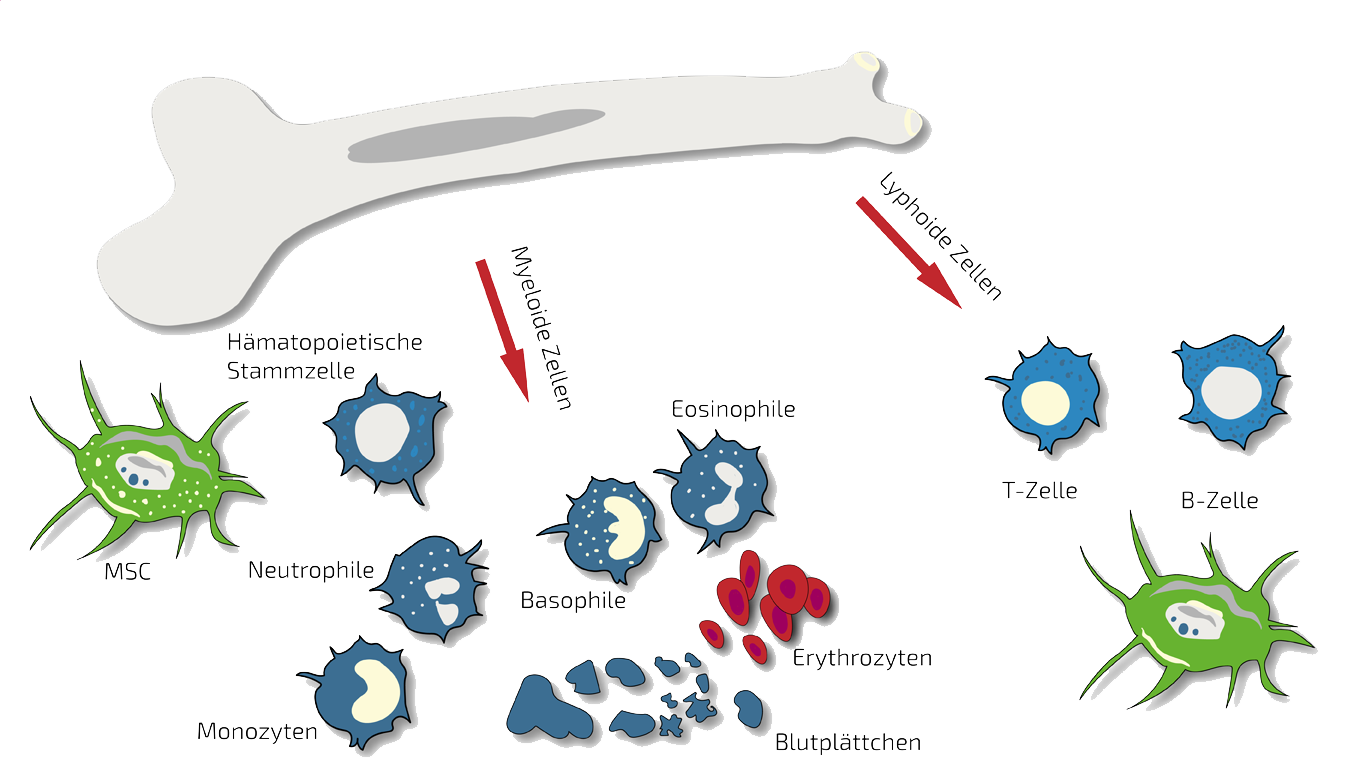
In RA, immune cells keep the joint lining inflamed. Stem cells are thought to communicate with these immune cells, mainly through the messengers they release (the secretome). BMC and MSEC are intended to potentially dampen this immune over-reaction, reduce the inflammation that causes pain, in early stages often its main cause, and slow the loss of cartilage. MSEC is aimed at the immune reaction throughout the body, BMC at individual joints.
ANOVA IRM has not yet tested BMC or MSEC for RA in a clinical study. The current state of research is described in the clinical and scientific section below.
The ANOVA RA Programme — Components
Diagnostic MRI
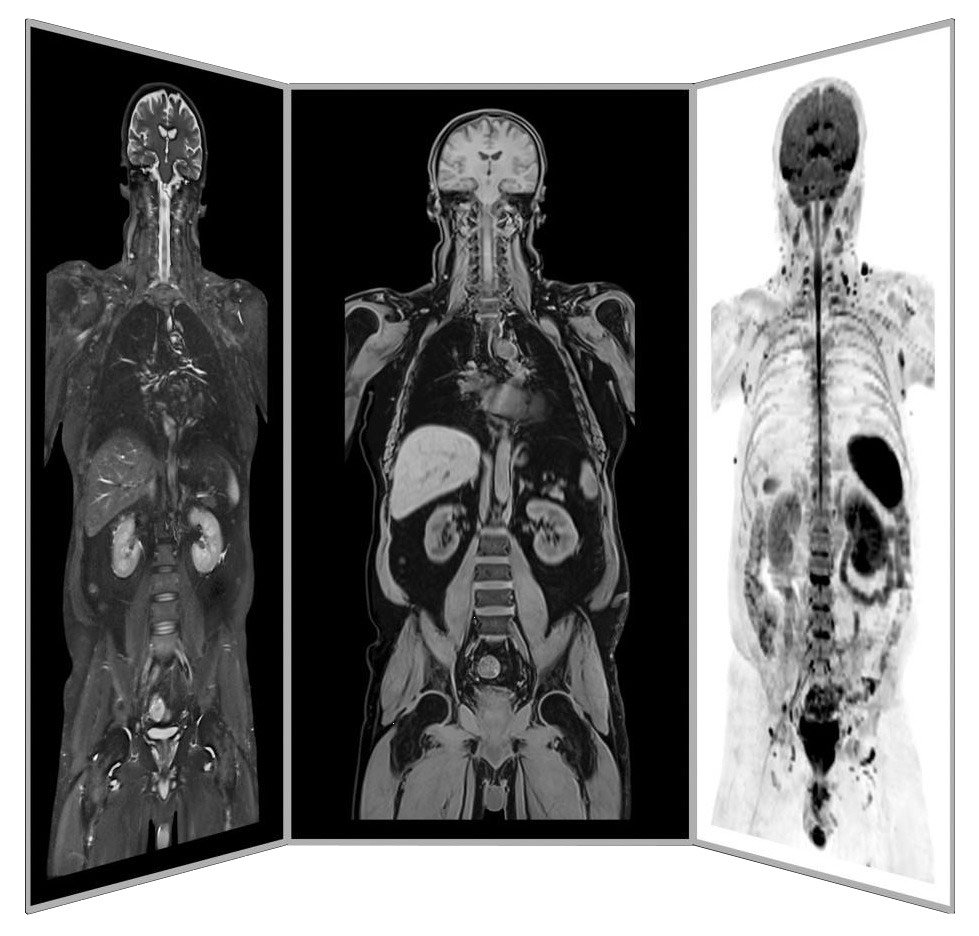
An MRI is not a requirement for BMC in RA, but it often helps. With a non-radioactive contrast agent, or as arthro-MRI with contrast in the joint, it shows inflamed joint lining, early bone damage and the state of the cartilage. From this we see which joints are active and where BMC should be injected.
Bone marrow concentrate (BMC)
BMC is our main option when RA damage is limited to a few joints, for example only the hands or toes. It is made from your own bone marrow and contains haematopoietic and mesenchymal stem cells in their natural composition. Bone marrow is collected from the pelvic bone (iliac crest) under brief sedation, concentrated, tested and injected into the joint on the same day, during a two-day visit. The current state of research is set out in the clinical and scientific section below.
MSC secretome (MSEC)
MSEC is the cell-free mixture of signalling molecules, including exosomes, released by your own mesenchymal stromal cells from fat tissue (adipose-derived, AD-MSC); it is an exosome-containing secretome. The fat is collected in a mini-liposuction under brief sedation. We use MSEC when many joints are inflamed (polyarthritis), on its own or alongside BMC, and give it into a vein. Unlike living cells, MSEC can be frozen; one production yields 10 doses for a longer treatment period. The current state of research is set out in the clinical and scientific section below.

Which forms of RA and which joints do we treat?
We treat adults with confirmed rheumatoid arthritis, seropositive or seronegative, after a diagnostic work-up:
- RA of a few joints, for example of the fingers, wrists, toes or a knee: BMC injected into the joint
- RA of many joints (polyarthritis): MSEC into a vein, combined with BMC in particularly affected joints where useful
- RA that remains active or painful despite medication from your rheumatologist
We do not treat children and adolescents, and therefore not juvenile idiopathic arthritis. Osteoarthritis of the same joints is covered on our osteoarthritis page, and injuries of the joints on our joints and sport injuries page.
Which diagnostics do we use for RA at ANOVA IRM?
We look for the source of your pain. Dr. Stehling, founder of ANOVA IRM, is a radiologist and physicist. We work with the Prof. Dr. Stehling Institut für Bildgebende Diagnostik GmbH, which, like ANOVA IRM, belongs to Dr. Stehling and is located in the same building. There we use precision diagnostics such as arthro-MRI and MRI with non-radioactive contrast agents. These can often localise the inflammation in your joints more precisely than a standard MRI, which tells us how you should be treated and where BMC should be applied.
Which tests are used to diagnose RA?
RA is diagnosed by a rheumatologist from the pattern of swollen joints, blood tests and imaging. Blood tests include rheumatoid factor, antibodies against citrullinated proteins (anti-CCP, ACPA) and the inflammation markers CRP and ESR. The classification criteria of the American College of Rheumatology and EULAR (2010) combine these findings with the number of affected joints and how long symptoms have lasted.[4] Ultrasound and MRI show inflammation of the joint lining earlier than X-ray.
What do we review before RA treatment at ANOVA IRM?
Before any treatment decision we review how active your RA is, how many joints are affected and which medication you take. With your consent we add blood tests for inflammation markers, hormones and other factors relevant in your case, or recommend further examinations such as an MRI of the spine. We also check whether you are fit for the brief sedation needed for tissue collection.
With BMC:
- Standard: no MRI required.
- Optional, often useful: arthro-MRI or MRI with contrast to show active inflammation and the state of the cartilage.
- Image-guided application: CT where a joint is hard to reach, for example the hip or shoulder.
With MSEC:
- Standard: an MRI of the abdominal wall to exclude a hernia before the liposuction, no more than four weeks old.
- Optional: MRI of affected joints with contrast to assess inflammation over time.
Your own doctors at home can carry out these examinations; please send us the results. They can also be done in-house, where an MRI is often possible on the day of your appointment. If you would like existing findings assessed independently, we offer a second opinion. The full diagnostic pathway is described on our diagnostics page.
Why ANOVA IRM for RA?
Our German stem cell clinic starts with diagnostics. Imaging is led by radiologists, and BMC is placed with image guidance where needed, for example CT, into the joint at the site of inflammation. An anaesthesiologist looks after you during tissue collection, with the aim of keeping it as pain-free as possible. ANOVA IRM has manufactured BMC and MSEC in its own facility in Offenbach since 2018; why no marketing authorisation is needed is explained on our regulatory status page. Offenbach lies near Frankfurt am Main, in the heart of Europe; we advise international patients in English.

What can you expect as a patient with RA?
First our patient care team tells you which information we need, such as X-ray, MRI or CT images and letters from your rheumatologist, and how to send large image files. A counselling appointment with one of our physicians follows, by phone or video if you live outside Germany; on-site appointments are also possible. Our patient care team does not charge for its services, and you are told about physician fees in advance. For the treatment itself you come to Offenbach am Main, less than 20 minutes from Frankfurt Airport. Before you decide, you receive an individual written cost estimate.
Quick answers
Is there a cure for rheumatoid arthritis (RA)?
No. Rheumatoid arthritis cannot yet be cured, but in many people medication can bring it into remission or low disease activity.[1] The basis is disease-modifying antirheumatic drugs (DMARDs) such as methotrexate, followed by biologics or JAK inhibitors if needed, together with physiotherapy and occupational therapy. New immune therapies are being researched. BMC and MSEC at ANOVA IRM are experimental options alongside this treatment, not a cure.
Does stem cell therapy cure rheumatoid arthritis?
No. Stem cell therapy is not a cure for rheumatoid arthritis. The use aims at calming the immune reaction and the inflammation in the joints, in addition to the medication from your rheumatologist. Outcomes vary between patients, and the underlying autoimmune disease remains.
Is RA stem cell therapy legal in Germany?
Yes, if the manufacturer has the required authorisations from the authorities. ANOVA IRM produces BMC under Section 20b AMG (procurement) and Section 13 AMG (manufacturing), and MSEC under Section 20b and a manufacturing authorisation under Section 20c AMG. For RA, both are given as an individual treatment attempt; see our regulatory status page.
Is RA stem cell therapy safe?
Not without qualification. Tissue collection, an injection into the joint and an infusion into a vein each carry risks, which your doctor explains to you in advance. As BMC and MSEC come from your own body, no donor cells are used, which avoids reactions against foreign cells. Safety depends above all on product quality: products made under authorisation and official inspection are to be regarded as safer than those from unregulated providers. Ask any provider which authorisations it holds; the regulators’ view is summarised under unproven therapies.
What medication is used for rheumatoid arthritis?
Methotrexate is the first choice for rheumatoid arthritis, usually with short-term cortisone at the start.[5] If it is not enough, biologics such as TNF inhibitors or JAK inhibitors are added. Pain relievers such as NSAIDs ease symptoms but do not stop the disease. BMC and MSEC are given in addition to this medication and do not replace it.
Who qualifies, what the process actually involves, and what it costs — step by step.
You are hereRheumatoid Arthritis (RA) Treatment: Eligibility, Process & Cost
BMC treatment for rheumatoid arthritis at ANOVA IRM costs approximately €8,000–€9,000 and requires one two-day outpatient visit to Offenbach, Germany. MSEC treatment costs approximately €20,000–€36,000, depending on the number of doses, and requires a two-day visit for tissue collection followed by further visits. Treatment is available to adults with confirmed RA after individual medical review.

What does the RA treatment timeline look like?
- 01
Remote assessment
Review of your medical history, current medication and images by email, phone or video; two weeks to a few months, depending on available appointments.
- 02
Screening at home
Blood test and existing findings before you travel, to avoid an unnecessary journey.
- 03
First visit (two days)
Day 1: consultation, consent, blood tests and, if useful, MRI. Day 2 with BMC: bone marrow collection, preparation, testing and injection into the joint. Day 2 with MSEC: mini-liposuction under brief sedation.
- 04
MSEC production
About four weeks of production and quality control; 10 doses, stored for up to two years.
- 05
Application and follow-up
MSEC into a vein according to your plan, over several visits; review of your progress with your rheumatologist; a repeat of BMC is possible after assessment.
Who qualifies for RA treatment, and what are the requirements?
BMC and MSEC may be considered for adults with confirmed rheumatoid arthritis whose disease remains active or painful despite standard treatment, after a full diagnostic work-up. BMC is most suitable when a few joints are affected; MSEC when many joints are inflamed. Requirements are fitness for the brief sedation used for tissue collection and visits to Offenbach. You continue the treatment agreed with your rheumatologist and have realistic expectations of the outcome. We combine established, evidence-based treatment with experimental options in a personalised plan, after an individual benefit-risk assessment.
What are the contraindications for RA treatment?
Our treatments are experimental. We treat only people for whom, after medical assessment, we consider the benefit-risk balance to support treatment.
Applies to all ANOVA treatments:
- Active cancer within the last two years
- Under the age of legal majority
- Pregnancy or breastfeeding
- Active infectious disease (hepatitis A, B, C, HIV, syphilis or other)
Specific to rheumatoid arthritis:
- Infection of a joint, or of the skin at the injection or collection site
- Unable to breathe unaided, or difficulty breathing in the supine position (sedation for tissue collection)
- Severe difficulty swallowing (dysphagia), because of the sedation
- Psychiatric disorder that would prevent informed consent or cooperation
Immunosuppressive medication and blood thinners are not in themselves contraindications, but please tell us about them before your visit. Other individual exclusion criteria are possible.
What does RA therapy at ANOVA IRM involve, step by step?
Treatment for rheumatoid arthritis follows fixed phases. We begin with your medical history, your current medication and an initial consultation with an indication statement on whether BMC or MSEC may help you. Preliminary examinations, diagnostics, a discussion of all treatment options and a written plan with cost estimate follow. Finally, tissue is collected, the product is prepared and tested, and it is applied.
What screening is needed before you travel for RA treatment?
A short screening in your home country helps you avoid a journey that would not lead to treatment. It usually consists of a blood test for infections, inflammation markers and other reasons against treatment, plus your recent images and your rheumatologist’s letters.
What happens at your first visit to Offenbach for RA?
The first visit takes two consecutive days in Offenbach and is outpatient. On day one, your doctor explains the treatment, obtains your consent and takes blood; an MRI can be added. With BMC, bone marrow is taken from the pelvic bone on day two and injected into the affected joint a few hours later. With MSEC, a small amount of abdominal fat is collected on day two; the first dose follows about four weeks later.
How are your BMC and MSEC produced and quality-controlled?
BMC: BMC is prepared on the day of collection in our own facility, under a manufacturing authorisation and good manufacturing practice (GMP). The bone marrow is concentrated but not multiplied; key quality tests are completed before the injection.
MSEC: Mesenchymal stromal cells are isolated from the fat tissue and expanded in our own facility, under official authorisation and officially inspected good professional practice (GFP). The cells produce your MSEC preparation — the signalling molecules they release, not the living cells. Production and quality control take about four weeks and yield 10 doses; each batch is tested before the first application. MSEC is stored at −80 °C and keeps for up to two years.
How are BMC and MSEC applied in RA?
Rheumatoid arthritis is a chronic disease, and there is currently no cure. BMC and MSEC are intended to modify its course (disease-modifying), not to cure it, and treatment usually needs to be repeated. The schedule is set individually for each patient, for example:
- BMC: one application on the second day of the visit, into the affected joint (intra-articular), with CT guidance where needed; a repeat requires a new bone marrow collection.
- MSEC: two doses at the start, then, if you live close by, one dose every 4 to 6 weeks.
- If you live further away: a double dose every 3 months, so that the 10 doses produced are used over about 15 months.
- Route of MSEC: into a vein (intravenous), because in polyarthritis it is intended to act on the immune reaction throughout the body.
- Combination: MSEC can be combined with BMC in particularly affected joints.
We therefore recommend a longer-term treatment using all 10 doses produced rather than a single application; see the timeline above.
What does RA treatment with BMC or MSEC cost?
BMC treatment for rheumatoid arthritis costs approximately €8,000 to €9,000, and MSEC treatment approximately €20,000 to €36,000; both are billed according to the German Medical Fee Schedule (GOÄ). With BMC, the cost is closer to €9,000 where CT guides the injection, otherwise closer to €8,000. For MSEC, the base package — the mini-liposuction and the first three doses — costs approximately €20,000; each further dose into a vein costs approximately €2,250. Further examinations and your wishes regarding sedation also affect the total. Before any decision you receive an individual written estimate. Our blog post on treatment cost explains what drives the cost in general. Travel and accommodation are not included. All prices are subject to change.
With MSEC, a double liposuction is possible and yields 20 doses from one collection. The cost is correspondingly higher and is shown in your estimate.
How does the cost of RA treatment vary with the application route?
All treatments at ANOVA IRM are billed according to the German Medical Fee Schedule (Gebührenordnung für Ärzte, GOÄ). In rheumatoid arthritis, the cost depends mainly on the product: BMC into one or a few joints, with or without CT, or MSEC into a vein, charged per dose. Your written cost estimate shows the exact amount.
Frequently asked questions — eligibility, process and travel
How long does the whole RA process take?
Does health insurance cover RA stem cell therapy in Germany?
Should I continue my existing RA treatment such as physiotherapy and occupational therapy?
How often do I need to travel to Germany for rheumatoid arthritis stem cell treatment?
With BMC usually once, for two days. With MSEC, a two-day collection visit is followed by visits for the doses: every 4 to 6 weeks if you live close by, otherwise every 3 months. Frankfurt Airport is less than 20 minutes from Offenbach. The full sequence is described on our MSC secretome page.
What medical records should I send for a rheumatoid arthritis assessment?
Please send us your most recent documents; we will ask if we need anything else. Helpful are, for example, your rheumatologist’s letters, recent blood tests with rheumatoid factor, anti-CCP and CRP, X-ray or MRI images of the affected joints and a list of your current medication. For large image files, we explain the best way to transfer them.
Does ANOVA IRM treat international patients with rheumatoid arthritis?
Yes. We advise patients from abroad with RA in English, and the first assessment takes place by email, phone or video.
How rheumatoid arthritis develops, the standard of care, the rationale for BMC and MSEC and all references.
You are hereRheumatoid Arthritis (RA): Clinical & Scientific Evidence
1. What happens in rheumatoid arthritis (RA)?
In rheumatoid arthritis, the immune system loses its tolerance of the body’s own tissue and treats it as foreign, like bacteria or viruses. Immune cells and their messengers, such as tumour necrosis factor (TNF) and interleukin-6, keep the joint lining (synovium) inflamed. The lining grows into a thickened tissue (pannus) that erodes cartilage and bone.[1] Over time, joints can deform. RA is a systemic disease: it can also affect blood vessels, nerves, bone marrow, heart, lungs, skin and eyes.[3]
Osteoarthritis, by contrast, is not an autoimmune disease: the cartilage wears down first, typically in the knees, hips and end joints of the fingers, and blood tests are usually normal. It is treated with exercise, pain relief and, if needed, a joint replacement; details on our osteoarthritis page.
What causes RA, and what are the risk factors?
The causes of rheumatoid arthritis are not fully understood. Genes, hormones and environmental factors act together, and in people with a genetic predisposition an infection may trigger the disease.[1] Known risk factors are:
- Genes: certain variants of the HLA genes (the “shared epitope”), which control immune responses, and further genes such as PTPN22, STAT4 and TRAF1/C5
- Female sex; hormones are thought to play a part
- Smoking and cigarette smoke, which raise the risk of seropositive RA and of a more severe course
- Family history: a parent, brother or sister with RA
- Exposure to silica dust and, discussed, asbestos, air pollution and insecticides
- Excess weight (obesity)
- Gum disease (periodontitis), which is being investigated as a trigger
More on this in our blog article on rheumatoid arthritis.
What drives the progression of RA?
The trigger of rheumatoid arthritis and what drives it forward are two separate questions. Once the disease has started, the inflamed joint lining keeps releasing messengers that recruit further immune cells and activate the cells that break down bone. The longer this inflammation remains active, the more cartilage and bone are destroyed.[1] Antibodies such as anti-CCP, high disease activity and early erosions predict a more severe course. Our programme is aimed at this inflammation and the course of the disease, not at its original cause.

2. What is the guideline-based standard of care for RA?
According to the EULAR recommendations, treatment with methotrexate should start as soon as RA is diagnosed, combined with short-term cortisone (glucocorticoids). The aim is remission or at least low disease activity (treat-to-target).[5] The standard of care also includes:
- Conventional DMARDs: methotrexate, leflunomide, sulfasalazine and hydroxychloroquine
- Biologics (biological DMARDs): TNF inhibitors (adalimumab, certolizumab, etanercept, golimumab, infliximab), abatacept, rituximab, tocilizumab and sarilumab; anakinra is rarely used
- JAK inhibitors (targeted synthetic DMARDs): tofacitinib, baricitinib, filgotinib and upadacitinib
- Non-steroidal anti-inflammatory drugs (NSAIDs) and pain relievers for symptoms; corticosteroids (cortisone, steroids) as tablets or injections into single joints
- Physiotherapy (physical therapy), occupational therapy and assistive devices such as splints, insoles, custom shoes, canes and crutches
- Surgery for severe joint damage: synovectomy, tendon repair, joint fusion and total joint replacement
These medicines suppress or block parts of the immune system and can increase the risk of infection; methotrexate needs regular checks of the blood, liver and lungs. In registries, about a third of patients had stopped a TNF inhibitor after two years and about half after four years.[6] In a large external study in patients with cardiovascular risk factors, the JAK inhibitor tofacitinib led to more major cardiovascular events, such as heart attacks and strokes, and more cancers than TNF inhibitors.[7]
Hyaluronic acid, a natural component of the joint fluid, is sometimes injected into single joints to ease pain. In RA it has no effect on the autoimmune process; it is mainly used in osteoarthritis, see our osteoarthritis page.
Important: This is the established standard of care. ANOVA IRM’s programme is offered alongside — not in place of — appropriate established treatment.
More information on treatment is available from Versus Arthritis and the National Health Service (NHS), and in our blog on rheumatoid arthritis treatment options.
How do common RA treatments compare in effect, risks and side effects?
| Treatment | Given as | Pain | Inflammation | Joint damage | Risks | Side effects |
|---|---|---|---|---|---|---|
| Methotrexate and other conventional DMARDs | Tablets, injection under the skin | Reduced after weeks to months | Reduced | Slowed | Liver damage, lung inflammation, low blood counts, infections | Nausea, mouth sores, hair thinning |
| Biologics, e.g. TNF inhibitors | Injection under the skin, infusion | Reduced | Reduced | Slowed | Serious infections, reactivation of tuberculosis | Reactions at the injection site |
| JAK inhibitors, e.g. tofacitinib | Tablets | Reduced | Reduced | Slowed | Heart attack, stroke, thrombosis, cancer, shingles | Raised blood lipids, infections |
| Cortisone (glucocorticoids) | Tablets, injection into the joint | Reduced quickly | Reduced | Slowed in the short term | Bone loss, diabetes, infections with long-term use | Weight gain, raised blood sugar |
| NSAIDs, e.g. ibuprofen, naproxen | Tablets | Reduced | Reduced temporarily | Not slowed | Stomach bleeding, especially together with cortisone; kidney and heart disease | Stomach pain, fluid retention |
| Hyaluronic acid | Injection into a single joint | Reduced in some patients, mainly in early stages | No effect on the autoimmune inflammation | Not slowed | Joint infection (rare) | Brief swelling at the injection site |
What can you do yourself with RA: exercise, sleep and nutrition?
Regular, gentle exercise keeps joints mobile and muscles strong. Low-impact choices are gentle stretching, walking, swimming and water aerobics; a physiotherapist can show you exercises that suit your joints. In a Cochrane review, tai chi did not worsen RA symptoms and improved the mobility of the ankle, but had no clinically important effect on disease activity.[8] Occupational therapy, splints and custom shoes protect painful joints in everyday life. Enough sleep helps you cope with fatigue.
Diet cannot replace medication in RA, but some nutrients are being investigated. In a meta-analysis of controlled studies, omega-3 fatty acids from fish oil improved several markers of disease activity, though the studies were of low quality.[9] Plant oils with gamma-linolenic acid, from evening primrose, borage or blackcurrant seed, reduced pain and improved function in small studies.[10] Stopping smoking is especially important, because smoking is linked to a more severe course of RA. Supplements can interact with medication, so discuss them with your doctor. Ask us which supplements and infusion therapies may suit you alongside your RA medication.
Which operations are used in advanced RA, and can stem cell therapy postpone them?
Operations are considered when medication no longer controls a joint or a joint is severely damaged. Synovectomy removes the inflamed joint lining; in advanced damage, tendon repair, joint fusion (arthrodesis) or a joint replacement follow. Postponing such operations is one of the aims of BMC in RA, but this has not been investigated in controlled studies. Data on the durability of knee and hip replacements are on our osteoarthritis page.
How is RA diagnosed, and what do we not do ourselves?
Rheumatoid arthritis is diagnosed by a rheumatologist from the history, the pattern of affected joints, blood tests and imaging, following the ACR/EULAR 2010 classification criteria.[4] Disease activity is measured with scores such as the DAS28, which counts tender and swollen joints. X-ray shows erosions; ultrasound and MRI show inflamed joint lining earlier. The diagnosis, medication, physiotherapy, occupational therapy and surgery stay with your rheumatologist and other specialists. We carry out MRI and CT ourselves at the Institut für Bildgebende Diagnostik in the same building.
3. What is the scientific rationale for BMC and MSEC in RA?
Bone marrow concentrate (BMC)
ANOVA IRM has not yet tested BMC or MSEC for RA in a clinical study. To our knowledge, BMC itself has not been studied in RA. In a small external phase 1/2 study, 15 patients with RA of the knee received cultured mesenchymal stromal cells from their own bone marrow into the joint, and 15 received saline. Pain and function improved more with the cells, without side effects, but the advantage could not be maintained beyond 12 months.[11] These cells were multiplied in the laboratory and differ from BMC.
Mesenchymal stem cells given into a vein
In an external controlled study, 172 patients with active RA despite DMARDs received umbilical cord-derived mesenchymal stem cells into a vein in addition to DMARDs, or DMARDs alone. Disease activity and inflammatory markers fell with the cells; the effect lasted three to six months.[12] In a pilot study of four patients, three improved for some months.[13] In the external phase Ib/IIa study Cx611, with fat-derived donor cells in 53 patients with refractory RA, a clear benefit over placebo could not yet be demonstrated.[14] Reviews regard the approach as worth investigating.[15]
MSC secretome (MSEC)
Mesenchymal stem cells are thought to act in rheumatic diseases mainly through the factors they release, the secretome, including exosomes.[16] In laboratory (preclinical) studies, exosomes from mesenchymal stem cells inhibited T cells and increased regulatory T cells. In mice with collagen-induced arthritis, they reduced the signs of inflammation.[17] Because MSEC is cell-free and the clinical studies used living cells, these studies provide background for the rationale, not direct evidence for MSEC.

What is the efficacy hypothesis behind BMC and MSEC in RA?
In RA, the problem is an immune over-reaction that keeps the joint lining inflamed. Stem cells and their secretome are thought to communicate with the immune cells involved, through growth factors, cytokines, microRNAs and extracellular vesicles. Research is investigating three possible effects: balancing immune responses (immunomodulation), including peripheral tolerance; anti-inflammatory effects on acute inflammation; and support for repair of the joint tissue. MSEC in a vein is intended to act on the immune reaction throughout the body, BMC in the joint on local inflammation and pain.
Talk to us about current changes or additions to the RA programme. For several conditions ANOVA IRM also offers infusion therapies alongside the components described above.
4. Where does our own RA evidence stand?
We have not yet evaluated our own data on rheumatoid arthritis. This section therefore summarises published external evidence, not our own patient outcomes. Some patients describe their experience on our testimonials page; these are individual accounts, not evidence that a treatment works.
How do we assess the course after RA treatment?
After treatment, we ask about and assess the following, together with your rheumatologist:
- Pain, morning stiffness and fatigue
- Number of tender and swollen joints and disease activity, for example the DAS28
- Inflammation markers in the blood (CRP, ESR)
- Function in everyday life and quality of life
- Need for cortisone and pain medication
- Imaging of treated joints, where useful
What the published RA evidence does not yet tell us
- The clinical studies of stem cells in RA are small, and most have no or only a short control period.
- They used cultured or donor cells, which differ from BMC and MSEC at ANOVA IRM in source, preparation and dose.
- Effects were limited in time; long-term safety data are lacking, including on whether the long-term side-effect profile is more favourable than with cortisone.
- In Germany and the EU, no stem cell-based treatment is approved as a standard treatment for rheumatoid arthritis.
5. Legal framework for BMC and MSEC in RA
For rheumatoid arthritis, ANOVA IRM uses two products. BMC is an advanced therapy medicinal product; it is manufactured under a procurement authorisation (Section 20b AMG) and a manufacturing authorisation (Section 13 AMG). MSEC is an autologous tissue preparation, manufactured under a procurement authorisation (Section 20b AMG) and a manufacturing authorisation under Section 20c AMG. All authorisations were issued and are regularly inspected by the Hessian State Office for Health and Care (HLfGP). The application is given as an individual treatment attempt (individueller Heilversuch), after full disclosure and with your informed consent. As both products are used only for our own patients, no authorisation under Section 4b, no marketing authorisation under Section 21 and no approval under Section 21a AMG is required. More on our regulatory status page.
6. Frequently asked questions — rheumatoid arthritis, evidence and approval status
Is stem cell therapy approved for rheumatoid arthritis?
Are MSC studies evidence that BMC or MSEC works in rheumatoid arthritis?
What results can I expect from stem cell treatment for rheumatoid arthritis?
Results cannot be predicted. BMC and MSEC aim to reduce inflammatory activity and pain and to make the course more stable. Some patients notice fewer symptoms or slower progression, while others see little change; this depends on disease activity, the number of affected joints and your general health.
What type of stem cell therapy does ANOVA use for rheumatoid arthritis?
Two autologous products: bone marrow concentrate (BMC) from your pelvic bone, with mesenchymal and haematopoietic stem cells in their natural composition, and MSC secretome (MSEC), produced from mesenchymal stromal cells from your own fat tissue. MSEC itself is cell-free. Details are on our BMC page and our MSC secretome page.
Does ANOVA use embryonic or pluripotent stem cells for RA?
No. For rheumatoid arthritis, as for all conditions, ANOVA IRM uses only adult stem cells from your own body. We do not use embryonic stem cells, induced pluripotent stem cells or donor cells.
Is RA treatment at ANOVA IRM the same as a stem cell transplant (HSCT)?
No. A haematopoietic stem cell transplant (HSCT) replaces the immune system after high-dose chemotherapy and is reserved for exceptional cases in severe autoimmune disease. BMC and MSEC require no high-dose immunosuppression, do not replace the immune system and use no donor cells, so there is no risk of graft-versus-host disease. How MSEC differs from HSCT in multiple sclerosis is explained on our MS page.
Does ANOVA use CAR-T cell therapy for rheumatoid arthritis?
No. CAR-T cell therapy comes from cancer medicine and is being researched in severe autoimmune diseases. ANOVA IRM does not use CAR-T cells or other cancer treatment approaches; our approach is based on autologous BMC and MSC secretome.
What is rheumatism?
Rheumatism is not one disease but an umbrella term for more than 100 rheumatic diseases. All of them are painful and affect the musculoskeletal system — bones, joints, muscles, tendons and ligaments — and lead to restricted movement over time. Rheumatoid arthritis is the most common inflammatory rheumatic disease of the joints.
What is the difference between osteoarthritis and rheumatoid arthritis?
Rheumatoid arthritis begins with an autoimmune inflammation that then damages the joints; osteoarthritis begins with joint wear, which causes inflammation only secondarily. RA often affects several joints at the same time, typically the hands, wrists and feet. Osteoarthritis is caused by non-autoimmune factors such as heavy loading, age, excess weight, genes or malformations. Course, cause and medication therefore differ, although both cause joint pain. Osteoarthritis is covered on our osteoarthritis page.
What is methotrexate?
Methotrexate is a disease-modifying antirheumatic drug (DMARD) and the first-choice medicine for rheumatoid arthritis. It is an immunosuppressant: it dampens the overactive immune system, reduces pain and inflammation and helps to prevent permanent joint damage and disability. It is taken once a week as a tablet or injection, usually with folic acid, and needs regular blood tests.[5]
What are natural remedies for flare-ups of rheumatoid arthritis?
Several home measures can ease an RA flare-up, in addition to your medication:
- Enough sleep and rest during the flare
- Gentle exercise such as stretching, tai chi, walking, swimming or water aerobics once the flare settles
- Heat or cold on the painful joint
- Topical creams, gels and lotions with capsaicin, salicylates, camphor or menthol
- Fish oil supplements; they can interact with some medication
- Plant oils with gamma-linolenic acid, such as evening primrose oil
- Assistive devices such as splints, custom shoes, canes and crutches
Aspirin and NSAIDs relieve pain but have side effects; please ask your rheumatologist. A flare-up that lasts should be assessed, as your medication may need adjusting.
What is psoriatic arthritis?
Psoriatic arthritis is a chronic inflammatory joint disease associated with the skin disease psoriasis. Like RA, it causes painful inflammation of joints; sometimes the arthritis appears before the psoriasis, so a careful diagnosis is important. Psoriatic arthritis, juvenile idiopathic arthritis and vasculitis are also being investigated for stem cell-based approaches. Gout, by contrast, is caused by uric acid crystals. If you have psoriatic arthritis, please contact us for an individual assessment.
Is rheumatoid arthritis an autoimmune disease?
Yes. In rheumatoid arthritis, the misdirected immune system attacks the body’s own cells and structures, causing a chronic inflammation of the joint lining. Autoimmune means that the immune system attacks healthy cells because it mistakes them for harmful ones. Other autoimmune diseases we treat include multiple sclerosis; an overview is on our autoimmune diseases page.
How common is rheumatoid arthritis (RA)?
About 17.6 million people worldwide had rheumatoid arthritis in 2020, and the number is expected to rise to about 31.7 million by 2050. Women are affected about two and a half times as often as men.[2] RA can begin at any age but most often starts in middle age.
What are the symptoms of rheumatoid arthritis (RA)?
The main symptoms are painful, swollen and stiff joints, usually worse in the morning or after rest:
- Swollen, warm and tender joints, usually on both sides of the body
- Morning stiffness, often for an hour or more
- Fatigue, sometimes fever and weight loss
- Start in the joints of the fingers or toes; later also ankles, elbows, wrists, knees, hips or shoulders
- Rheumatoid nodules under the skin, for example at the elbow
Symptoms vary in severity and can come and go, in flare-ups and periods of remission.
Which forms of rheumatoid arthritis (RA) are there, and how does it progress?
Rheumatoid arthritis is classified by antibodies in the blood and by its stage. It usually progresses over years, in flare-ups and calmer phases; joint damage can begin early, which is why early treatment matters.[1]
- Seropositive RA: rheumatoid factor and/or anti-CCP in the blood; often a more severe course.
- Seronegative RA: without these antibodies.
- Early RA: the first months after the onset of symptoms, when treatment has the greatest effect.
- Established RA: with lasting joint changes such as erosions or deformities.
What complications can rheumatoid arthritis (RA) cause?
Over time, RA can deform and stiffen joints and lead to disability. About four in ten people develop changes outside the joints, for example rheumatoid nodules, inflammation of blood vessels (vasculitis), lung disease, dry eyes, nerve damage or anaemia.[3] RA also increases the risk of cardiovascular disease and osteoporosis and can shorten life expectancy.[1]
Important Pages
Questions people usually ask next. Each is answered in full on its own page.
- Who are we?
- Is ANOVA legal?
- Is stem cell therapy safe?
- What is BMC (Bone Marrow Concentrate)?
- What is MSC secretome (MSEC)?
- What are stem cells?
- Which stem cell therapies does ANOVA offer?
- Which conditions do we treat?
- Joint and back pain — overview
- Osteoarthritis
- Autoimmune diseases — overview
- Rheumatoid arthritis treatment options — standard and emerging
- Information for professionals
Affiliations of ANOVA
ANOVA IRM shares its premises in Offenbach with two further institutions owned by Dr. Stehling: the Institut für Bildgebende Diagnostik (IBDO), providing MRI and CT imaging, and the VITUS PRIVATKLINIK Prof. Dr. Stehling GmbH. Because imaging is carried out in the same building, arthro-MRI, contrast MRI of inflamed joints and CT-guided injections can be performed in-house. See diagnostics at ANOVA IRM.
References — rheumatoid arthritis literature
General literature on bone marrow is maintained on the BMC page, and on the MSC secretome on the MSEC page.
Rheumatoid arthritis — disease, frequency and course
- [1] Smolen JS, Aletaha D, McInnes IB. Rheumatoid arthritis. Lancet. 2016;388(10055):2023–2038. doi:10.1016/S0140-6736(16)30173-8. PMID: 27156434.
- [2] GBD 2021 Rheumatoid Arthritis Collaborators. Global, regional, and national burden of rheumatoid arthritis, 1990–2020, and projections to 2050: a systematic analysis of the Global Burden of Disease Study 2021. Lancet Rheumatol. 2023;5(10):e594–e610. doi:10.1016/S2665-9913(23)00211-4. PMID: 37795020.
- [3] Turesson C, O’Fallon WM, Crowson CS, et al. Extra-articular disease manifestations in rheumatoid arthritis: incidence trends and risk factors over 46 years. Ann Rheum Dis. 2003;62(8):722–727. doi:10.1136/ard.62.8.722. PMID: 12860726.
Diagnosis and classification
- [4] Aletaha D, Neogi T, Silman AJ, et al. 2010 Rheumatoid arthritis classification criteria: an American College of Rheumatology/European League Against Rheumatism collaborative initiative. Arthritis Rheum. 2010;62(9):2569–2581. doi:10.1002/art.27584. PMID: 20872595.
Standard of care: guidelines and medication
- [5] Smolen JS, Landewé RBM, Bergstra SA, et al. EULAR recommendations for the management of rheumatoid arthritis with synthetic and biological disease-modifying antirheumatic drugs: 2022 update. Ann Rheum Dis. 2023;82(1):3–18. doi:10.1136/ard-2022-223356. PMID: 36357155.
- [6] Souto A, Maneiro JR, Gómez-Reino JJ. Rate of discontinuation and drug survival of biologic therapies in rheumatoid arthritis: a systematic review and meta-analysis of drug registries and health care databases. Rheumatology (Oxford). 2016;55(3):523–534. doi:10.1093/rheumatology/kev374. PMID: 26490106.
- [7] Ytterberg SR, Bhatt DL, Mikuls TR, et al.; ORAL Surveillance Investigators. Cardiovascular and cancer risk with tofacitinib in rheumatoid arthritis. N Engl J Med. 2022;386(4):316–326. doi:10.1056/NEJMoa2109927. PMID: 35081280.
Self-care: exercise and nutrition
- [8] Han A, Robinson V, Judd M, et al. Tai chi for treating rheumatoid arthritis. Cochrane Database Syst Rev. 2004;(3):CD004849. doi:10.1002/14651858.CD004849. PMID: 15266544.
- [9] Gioxari A, Kaliora AC, Marantidou F, et al. Intake of ω-3 polyunsaturated fatty acids in patients with rheumatoid arthritis: a systematic review and meta-analysis. Nutrition. 2018;45:114–124.e4. doi:10.1016/j.nut.2017.06.023. PMID: 28965775.
- [10] Cameron M, Gagnier JJ, Chrubasik S. Herbal therapy for treating rheumatoid arthritis. Cochrane Database Syst Rev. 2011;(2):CD002948. doi:10.1002/14651858.CD002948.pub2. PMID: 21328257.
Mesenchymal stem cells in rheumatoid arthritis — clinical studies (other products than BMC and MSEC)
- [11] Shadmanfar S, Labibzadeh N, Emadedin M, et al. Intra-articular knee implantation of autologous bone marrow-derived mesenchymal stromal cells in rheumatoid arthritis patients with knee involvement: results of a randomized, triple-blind, placebo-controlled phase 1/2 clinical trial. Cytotherapy. 2018;20(4):499–506. doi:10.1016/j.jcyt.2017.12.009. PMID: 29428486.
- [12] Wang L, Wang L, Cong X, et al. Human umbilical cord mesenchymal stem cell therapy for patients with active rheumatoid arthritis: safety and efficacy. Stem Cells Dev. 2013;22(24):3192–3202. doi:10.1089/scd.2013.0023. PMID: 23941289.
- [13] Liang J, Li X, Zhang H, et al. Allogeneic mesenchymal stem cells transplantation in patients with refractory RA. Clin Rheumatol. 2012;31(1):157–161. doi:10.1007/s10067-011-1816-0. PMID: 21837432.
- [14] Álvaro-Gracia JM, Jover JA, García-Vicuña R, et al. Intravenous administration of expanded allogeneic adipose-derived mesenchymal stem cells in refractory rheumatoid arthritis (Cx611): results of a multicentre, dose escalation, randomised, single-blind, placebo-controlled phase Ib/IIa clinical trial. Ann Rheum Dis. 2017;76(1):196–202. doi:10.1136/annrheumdis-2015-208918. PMID: 27269294 (industry-sponsored).
- [15] Tyndall A, van Laar JM. Stem cells in the treatment of inflammatory arthritis. Best Pract Res Clin Rheumatol. 2010;24(4):565–574. doi:10.1016/j.berh.2010.01.008. PMID: 20732653.
MSC secretome and extracellular vesicles — laboratory and animal studies
- [16] Maumus M, Jorgensen C, Noël D. Mesenchymal stem cells in regenerative medicine applied to rheumatic diseases: role of secretome and exosomes. Biochimie. 2013;95(12):2229–2234. doi:10.1016/j.biochi.2013.04.017. PMID: 23685070.
- [17] Cosenza S, Toupet K, Maumus M, et al. Mesenchymal stem cells-derived exosomes are more immunosuppressive than microparticles in inflammatory arthritis. Theranostics. 2018;8(5):1399–1410. doi:10.7150/thno.21072. PMID: 29507629.