

Anti-Ageing Therapy – Senescent Cell Removal – Infusion – Secretome
The ANOVA Hair Loss Stem Cell Secretome Treatment Programme Germany
Autologous, adipose tissue-derived MSC secretome (MSEC) therapy for adults with hair loss, such as androgenetic alopecia (male and female pattern hair loss) or alopecia areata. Offenbach, Germany. Experimental — fully legal — manufactured under German regulatory authorisation and official inspection since 2018.
You have tried a lot. We listen first, examine thoroughly, and then tell you honestly whether a stem cell-based therapy, one of our programmes or another option could be right for you. Each option is discussed as an addition to your current treatment, never as a replacement.
| Component | Detail |
|---|---|
| Two products | Bone Marrow Concentrate (BMC) and Mesenchymal Stem Cell Secretome (MSEC), each manufactured under official authorisation; no marketing authorisation (experimental) |
| Authorisations | BMC § 20b / § 13 AMG · MSEC § 20b / § 20c AMG (German Medicines Act) |
| Location | Offenbach am Main, Germany |
Hair loss in brief, the programme and its components — the essentials at a glance.
You are hereIntroduction & Summary
What is hair loss, in brief?
Hair loss, medically called alopecia, has several forms. The most common is androgenetic alopecia (AGA), or pattern hair loss: in men, the hairline recedes and the crown thins. In women, this is called female pattern hair loss: the hair becomes thinner over the top of the head.[8] It is caused by hereditary sensitivity of the hair follicles to male hormones, which makes the follicles shrink step by step.[8]
Alopecia areata is a different condition. Here the immune system attacks the hair follicles, and round bald patches appear, sometimes the loss of all scalp or body hair.[1] The diagnosis is usually made by a dermatologist from the pattern of hair loss and an examination of the scalp with a magnifying device (trichoscopy).[7] To date, no cure is known for androgenetic alopecia or alopecia areata; approved treatments can slow hair loss or help hair regrow while they are used.[8],[1]
Common signs include a receding hairline, thinning at the crown or along the parting, a wider parting, more hair on the pillow or in the brush, and round bald patches.
More details can be found below in our scientific section on hair loss.
What is the ANOVA hair loss programme?
ANOVA offers autologous mesenchymal stem cell secretome (MSEC) for adults with hair loss, including androgenetic alopecia and alopecia areata. The programme combines a review of your dermatological diagnosis and previous treatment with repeated injections of MSEC into the affected areas of the scalp. Each component is selected individually; the programme is not a fixed package.
Stem cells are thought to act mainly through soluble factors, together called the secretome, which includes exosomes and many other factors. In external laboratory and animal studies, such factors stimulated the cells at the base of the hair follicle that control hair growth.[14],[15] MSEC aims to support these cells in the scalp.
ANOVA IRM has not yet tested MSEC in a clinical study. The current state of research is described in the clinical and scientific section below.

The ANOVA Hair Loss Programme — Components
Review of diagnosis and previous treatment
Before any application, we check that your hair loss has been diagnosed by a dermatologist and which form it is. We look at the treatments you have used so far, and at blood values such as ferritin and thyroid hormones, to rule out causes that can be treated directly. The physician also examines your scalp. MSEC is considered only where hair follicles are still present.
MSC secretome (MSEC)
MSEC is the cell-free mixture of signalling molecules released by your own mesenchymal stromal cells from fat tissue. For hair loss it is injected into the skin of the affected scalp areas. In small external clinical studies, a case series and a randomised trial, preparations from fat-derived stem cells were injected into or applied to the scalp, and hair counts rose more than with placebo.[16],[17] These were not ANOVA products; the details are summarised in the clinical and scientific section below.
ANOVA IRM does not perform hair transplantation. Medicines prescribed by your dermatologist and cosmetic measures are not part of our programme either; they remain with your own doctors.
Which diagnostics do we use for hair loss at ANOVA IRM?
Which tests are used to diagnose hair loss?
Most forms of hair loss are recognised by their pattern and by a close look at the scalp. A dermatologist uses a magnifying device (trichoscopy) to see shrunken hairs or the typical signs of alopecia areata.[7] A gentle pull test shows whether hair is currently falling out in larger numbers. Blood tests for iron stores (ferritin) and thyroid function help to find other causes. If the diagnosis remains unclear, a small skin sample (scalp biopsy) is examined.[7]
What do we review before hair loss treatment at ANOVA IRM?
Before any treatment decision we review your dermatologist’s diagnosis, the treatments you have used and for how long, and recent blood values. We ask how your hair loss has developed and since when. The physician examines your scalp and records its condition in standardised photographs for your medical record. We also check that you are fit for the brief sedation required for tissue collection.
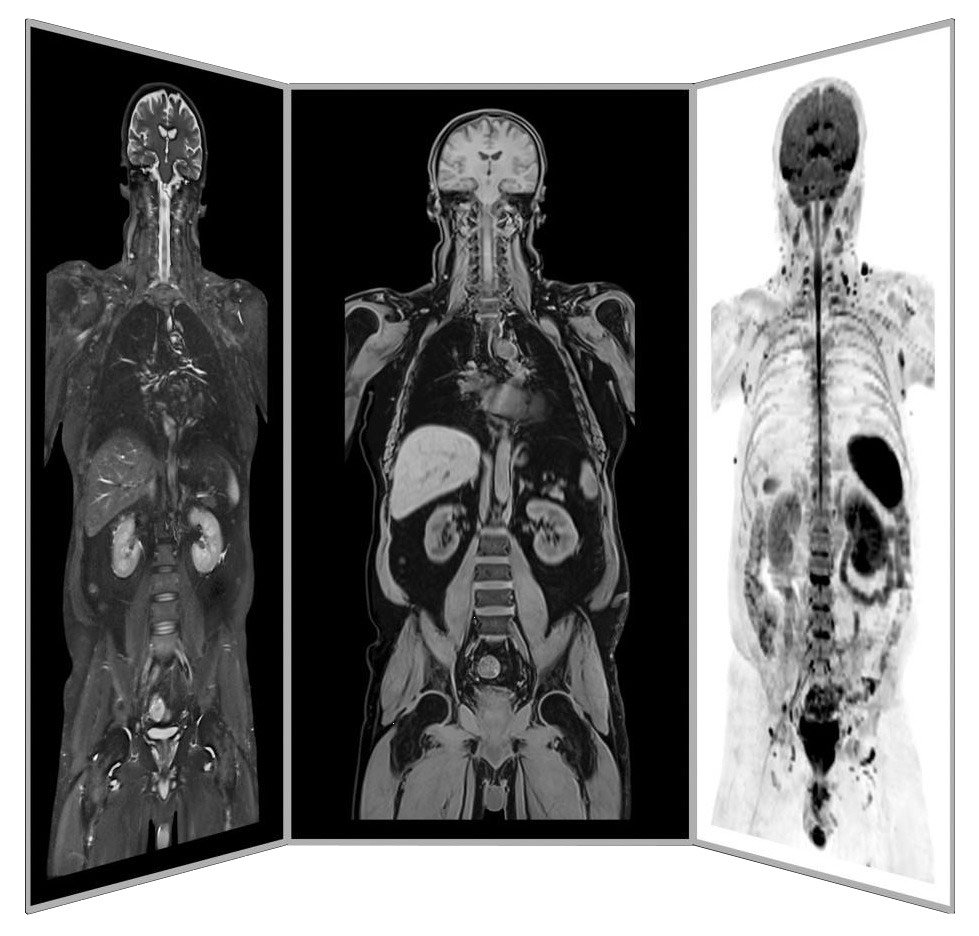
- Standard: an MRI of the abdominal wall to exclude a hernia is required before the liposuction, taken no more than four weeks beforehand. It can be done at home or at ANOVA IRM.
Imaging can be carried out in-house; all examinations can also be done by your own doctors. The full diagnostic pathway is described on our diagnostics page.
Why ANOVA IRM for hair loss?
We make MSEC ourselves in Offenbach, in-house since 2018 (see our regulatory status). The review of your previous findings, the tissue collection and the scalp injections take place in one building. Your dermatologist remains the basis of your care.
What can you expect as a patient with hair loss?
You can start with a remote assessment, by phone or video, so no journey to Germany is needed at first. Treatment itself takes place in person in Offenbach am Main, less than 20 minutes from Frankfurt Airport. Before you decide, you receive an individual written cost estimate; the services of our patient care team are free of charge. If you would like your existing findings reviewed independently, we also offer a second opinion.
Quick answers
Is there a cure for hair loss?
No, not for androgenetic alopecia or alopecia areata. Medicines applied to the scalp or taken as tablets can slow pattern hair loss and help some hair regrow, but the effect lasts only while they are used.[8] For severe alopecia areata, newer tablets called JAK inhibitors are available.[12],[13] Experimental approaches such as mesenchymal stem cell secretome (MSEC) are being explored.
Does stem cell therapy cure hair loss?
No. Stem cell therapy is not a cure for hair loss, and it cannot create new hair follicles where they have been lost. At ANOVA IRM, MSEC is injected into the scalp with the aim of supporting the hair follicles that are still present. It is offered alongside the care of your dermatologist.
Is hair loss stem cell therapy legal in Germany?
Yes, if the product is made under the required official authorisations. ANOVA IRM holds a collection (procurement) authorisation (Section 20b AMG) and a manufacturing authorisation under Section 20c AMG for MSEC, granted by the Darmstadt Regional Council, today the Hessian State Office for Health and Care (HLfGP), with the involvement of the Paul-Ehrlich-Institut. For hair loss, it is given as an individual therapeutic attempt (individueller Heilversuch). Our regulatory status page explains the legal basis.
Is hair loss stem cell therapy safe?
Not without qualification. The tissue collection, the brief sedation and the injections into the scalp carry risks, which your doctor explains before treatment.
Production under an official authorisation is an additional safeguard. The competent authority inspects the facility every two years, and every change to the process and every new material must be reported to it. Providers without such an authorisation are not subject to this oversight.
Dr. mult. Stehling and ANOVA IRM have manufactured MSEC with the same process since 2016, under an authorisation according to Section 20c AMG since 2018. They have treated 355 people with it (as of October 2026). To date, no serious adverse event has been caused by the product. Long-term data are not yet available. In clinical research, safety is first examined in phase 1/2 studies with roughly 10 to 100 patients. ANOVA IRM has not conducted such a study, but the number of people treated is well above that. Before choosing any provider of secretome or exosome treatments, ask which authorisations and certificates it holds; what regulators warn about is summarised under unproven therapies.
What medication is used for hair loss?
For pattern hair loss, the standard is a solution applied to the scalp and, in men, a 5-alpha-reductase inhibitor taken as a tablet; low-dose tablets of the scalp medicine are increasingly used.[8],[9] For alopecia areata, corticosteroids are used, and for severe forms JAK inhibitors.[11],[12],[13] Mesenchymal stem cell secretome (MSEC) at ANOVA IRM is given in addition to this treatment, not instead of it.
Who qualifies, what the process actually involves, and what it costs — step by step.
You are hereHair Loss Treatment: Eligibility, Process & Cost
In this section you will find everything about treatment for hair loss (alopecia) at ANOVA IRM: who is eligible, the process step by step and the cost.
What does the hair loss treatment timeline look like?
- 01
Initial evaluation
Remote, by phone or video — typically 2 weeks to a few months
- 02
Preliminary screening
In your home country, to avoid an unnecessary journey
- 03
First visit — bloodwork and tissue collection
Two-day outpatient visit to Offenbach: bloodwork first, then — if the results are in order — mini-liposuction under brief sedation
- 04
Production and quality control
Approximately 4 weeks; yields 10 doses
- 05
Storage
Up to 2 years, allowing an extended personalised schedule
- 06
Application schedule
Number of doses per application according to the size of the treated scalp area; interval set individually, according to where you live
Who qualifies for hair loss treatment, and what are the requirements?
We consider adults with any form of hair loss, men and women alike: androgenetic alopecia (male and female pattern hair loss), alopecia areata and other non-scarring forms. Your diagnosis should have been made by a dermatologist. Hair follicles should still be present in the affected areas, because a treatment cannot act where they have been lost. Where iron deficiency or thyroid disease contributes, it should be examined and treated as well. You need to be well enough for mini-liposuction under brief sedation and able to travel to Offenbach for repeated applications. Every treatment recommendation follows a full clinical evaluation in which the treating physician weighs benefit and risk. Applying for an evaluation does not mean that treatment will be offered.
What are the contraindications for hair loss treatment?
Our treatments are experimental. We treat only people for whom, after medical assessment, we consider the benefit-risk balance to support treatment.
Applies to all ANOVA treatments:
- Active cancer within the last two years
- Under the age of legal majority
- Pregnancy or breastfeeding
- Active infectious disease (hepatitis A, B, C, HIV, syphilis or other)
Specific to hair loss:
- Infection or inflammation of the scalp in the area to be treated
- Scarring hair loss, in which the hair follicles have been destroyed
- Blood test results that speak against treatment
- Psychiatric disorder that would prevent informed consent or cooperation
What does hair loss therapy at ANOVA IRM involve, step by step?
What screening is needed before you travel for hair loss treatment?
A preliminary screening in your home country helps you avoid an unnecessary journey. It usually consists of a blood test for HIV, hepatitis A, B or C, syphilis and other active infections. Together with your dermatologist’s report and recent blood values, such as ferritin and thyroid hormones, it shows early whether medical factors would rule out treatment.
What happens at your first visit to Offenbach for hair loss treatment?
The first treatment visit takes about two days in Offenbach and is outpatient. On the first day, bloodwork is repeated at ANOVA IRM as German medical rules require. The physician then examines your scalp and completes the final assessment, including your fitness for sedation. If the results are in order, a small amount of abdominal fat tissue is collected the next day by mini-liposuction under brief sedation. The first secretome application usually follows four to six weeks later.
How is your MSEC for hair loss produced and quality-controlled?
In our own facility in Offenbach, mesenchymal stromal cells are isolated from the collected fat tissue and expanded. This takes place under official authorisation and officially inspected good professional practice (GFP). From these cells we obtain your MSEC — the signalling molecules they release, not the living cells. Production and quality control take approximately four weeks and yield 10 doses per production cycle. Every patient batch is tested with methods validated according to the European Pharmacopoeia (Ph. Eur.) and GMP and released under a documented procedure. The released secretome is stored at −80 °C and keeps for up to two years.
How often is MSEC applied for hair loss?
Most forms of hair loss are long-term conditions, and there is currently no cure. We therefore recommend a longer-term treatment using all 10 doses produced rather than a single application; see the timeline above.
The number of doses per application depends on the size of the scalp area to be treated. The interval between applications is then set individually, mainly according to where you live, for example:
- If you live close by: an MSEC application every 4 to 6 weeks.
- If you live further away: an application about every 3 months.
- Standard route for hair loss: a series of small injections into the skin of the affected scalp areas (intradermal), under local anaesthesia of the scalp and under medical supervision in Offenbach. This is intended to bring the secretome close to the hair follicles. For hair loss, MSEC is not given as an infusion.
All doses must be used within the two-year shelf life of the stored MSEC; continuing after that requires a new tissue collection and production cycle. Each session takes about one hour, including preparation and a short period of observation.
What does hair loss treatment with MSEC cost?
MSEC treatment costs approximately €20,000–€36,000, depending on the number of doses (three to ten), and requires a two-day visit for tissue collection, followed by further visits. It is billed according to the German Medical Fee Schedule (GOÄ). The base package — the mini-liposuction and the first three MSEC doses — costs approximately €20,000; each further dose costs approximately €2,250. How many doses are used depends mainly on the size of the scalp area to be treated. Because we recommend using all 10 doses over a longer period, most treatment plans reach the upper end of this range.
A double liposuction can be recommended if you wish to continue for longer: it yields 20 doses, which can be used over the current shelf life of two years from a single collection. The cost is correspondingly higher and is shown in your individual estimate.
Further examinations and your sedation preferences also affect the total, and you receive an individual written estimate before any treatment decision. Our blog post on treatment cost explains what drives the cost of stem cell treatment in general. Travel, accommodation and other personal expenses, including those of an accompanying person, are not included. MSEC treatment for hair loss is self-funded. All prices are subject to change.
Why does the cost of hair loss treatment vary with the treated area?
All treatments at ANOVA IRM are billed according to the German Medical Fee Schedule (Gebührenordnung für Ärzte, GOÄ); within it, the cost depends mainly on the number of doses used. For hair loss we administer MSEC only by injection into the scalp, because in our assessment it is most likely to act there: the hair follicles sit directly in the treated skin. The larger the affected area, the more doses are needed per application; the price per dose stays the same. The exact cost of your treatment plan is set out in your individual written cost estimate.
Frequently asked questions — eligibility, process and travel
How is MSEC administered for hair loss?
As a series of small injections into the skin of the affected scalp areas, in Offenbach, under local anaesthesia and medical supervision. The number of doses depends on the size of the area. If you live nearby, applications follow every 4 to 6 weeks; if you travel from further away, about every 3 months.
Which types of hair loss may be considered for treatment?
All forms of hair loss in men and women may be considered, including androgenetic alopecia (male and female pattern hair loss) and alopecia areata, as long as hair follicles are still present. Scarring forms of hair loss, in which the follicles have been destroyed, are not treated with MSEC. Where iron deficiency, thyroid disease or medication contributes, these causes are examined and treated as well.
How long does the whole hair loss treatment process take?
Usually about one and a half years from the first contact to the last dose. Gathering your dermatologist’s report and blood values for the remote assessment takes from two weeks to a few months. After the two-day visit for tissue collection and about four weeks of production, the scalp injections extend over about a year, within the two-year shelf life of the stored MSEC.
Does health insurance cover hair loss stem cell therapy in Germany?
No. Health insurers do not reimburse experimental MSEC treatment for hair loss, so you pay for it yourself. Treatment of androgenetic alopecia is generally regarded as cosmetic; for alopecia areata, your dermatologist can tell you which treatments your insurer covers.
Should I stop my current hair loss medication such as scalp solutions or 5-alpha-reductase inhibitors?
No. The programme complements guideline-based care. Please continue to work with your treating physician throughout.
Should I continue my existing hair loss treatment such as corticosteroids or JAK inhibitors?
Yes. Your dermatologist’s care and the treatments you already use continue as before. MSEC is added to them, and nothing changes unless your treating physician recommends it.
How often do I need to travel to Germany for hair loss stem cell treatment?
If you live further away, usually about six times over about a year. The first trip of about two days is for bloodwork and tissue collection in Offenbach, less than 20 minutes from Frankfurt Airport. The further trips are for the scalp injections, about every 3 months. Living close by means more frequent but shorter visits, about every 4 to 6 weeks. The full sequence is described on the MSC secretome page.
What medical records should I send for a hair loss assessment?
Please send us your most recent documents; we will ask if we need anything else. Helpful are, for example, your dermatologist’s report with the diagnosis and, if available, trichoscopy findings or a scalp biopsy result. Recent blood values such as ferritin and thyroid hormones, and a list of the hair loss treatments you have used and for how long, also help. A current medication list completes the picture.
Does ANOVA IRM treat international patients with hair loss?
Yes. If you live outside Germany, you can start from home: we review your dermatologist’s findings remotely and advise you in English by phone or video.
What happens in the hair follicle, the standard of care, the rationale for MSEC and all references.
You are hereHair Loss: Clinical & Scientific Evidence
What happens in the body in hair loss (alopecia)?
Each hair follicle is a small organ that passes through repeated cycles: a growth phase (anagen), a short phase of regression (catagen) and a resting phase (telogen), after which the hair is shed.[5] At the base of the follicle sits the dermal papilla, a group of specialised cells that controls hair growth. Its signals, among them the Wnt/β-catenin pathway, keep the follicle in the growth phase.[6]
In androgenetic alopecia (AGA), hair follicles in certain scalp areas are genetically sensitive to androgens, in particular dihydrotestosterone. With each cycle the growth phase becomes shorter and the follicles shrink (miniaturisation), so that thick hairs are gradually replaced by fine, short ones.[8] In affected scalp, the Wnt inhibitor DKK-1 is raised, and androgens dampen Wnt signalling in dermal papilla cells.[6] In men, the pattern is graded with the Hamilton–Norwood scale; in women, separate scales describe the thinning over the crown.[3],[8]
Alopecia areata is an autoimmune disease. The hair follicle normally hides from the immune system (immune privilege); when this protection collapses, immune cells attack the follicle in the growth phase. The follicle itself is preserved, which is why hair can regrow.[1] The lifetime risk is about 2%.[2] Its extent is measured with the Severity of Alopecia Tool (SALT), which gives the percentage of scalp hair lost.[4]
What causes hair loss, and what are the risk factors?
The causes differ by form; in many people, more than one factor plays a part.
- Heredity and androgens: the main causes of androgenetic alopecia in men and women.[8]
- Age: pattern hair loss becomes more common with every decade, in men and women.[8]
- Autoimmunity: in alopecia areata, often together with other autoimmune conditions such as thyroid disease; a family history increases the risk.[1]
- Other causes: iron deficiency, thyroid disease, certain medicines, severe illness or stress can cause diffuse shedding (telogen effluvium), which usually recovers once the cause is treated.[7]
- Scarring alopecias: rare inflammatory diseases that destroy the follicle; they need dermatological treatment and are not treated with MSEC.[7]
What drives the progression of hair loss?
In androgenetic alopecia, miniaturisation continues as long as the androgen effect on the follicle persists. Over many years, more follicles produce only fine hairs, and some stop producing visible hair. Treatments therefore aim to stop or slow this process; they work best while follicles are still present.[8] Our programme aims to support follicles that are still present.
Alopecia areata follows an unpredictable course. Many patches regrow on their own, but relapses are common, and extensive forms that affect the whole scalp (alopecia totalis) or all body hair (alopecia universalis) are less likely to recover.[1]
What is the guideline-based standard of care for hair loss?
For androgenetic alopecia, the European evidence-based (S3) guideline describes treatment for men and women.[8] In men, minoxidil solution or foam applied to the scalp (2% to 5%) and finasteride tablets (1 mg daily) are recommended. In women, topical minoxidil is recommended; finasteride is not.[8] Dutasteride can be considered as a second option in men; in Europe it is not approved for this use.[8] An international expert consensus has described how to start low-dose minoxidil tablets.[9]
Platelet-rich plasma (PRP), injected into the scalp, increased hair density in a meta-analysis, but the studies were small and differed widely.[10] Hair transplantation moves follicles from the back of the head to thinning areas; it needs enough donor hair and stable hair loss.
For alopecia areata, the German S3 guideline of 2025 recommends corticosteroids applied to or injected into the skin.[11] For severe forms in adults, it recommends the JAK inhibitors baricitinib and ritlecitinib.[11] In two phase 3 trials, 38.8% and 35.9% of patients on baricitinib 4 mg had 20% or less scalp hair loss after 36 weeks, compared with 6.2% and 3.3% on placebo.[12] Baricitinib has been approved in the EU since 2022 and ritlecitinib since 2023; in the EU, both are now also approved for adolescents aged 12 and over (baricitinib since April 2026).[12],[13],[27] Statutory health insurance in Germany does not cover these medicines for alopecia areata.[11]
These treatments slow hair loss or help hair regrow in many people, but none cures it, and their effect usually ends when they are stopped. MSEC does not replace standard care.
How is hair loss diagnosed, and what do we not do ourselves?
Hair loss is diagnosed by your dermatologist, not by us. The basis is the history and the pattern of hair loss. Trichoscopy, an examination of the scalp with a dermatoscope, shows miniaturised hairs of different thickness in androgenetic alopecia and exclamation-mark hairs or yellow dots in alopecia areata.[7],[11]
A pull test checks whether hair is currently shedding in larger numbers. A scalp biopsy is taken when the findings are unclear, for example to exclude a scarring alopecia.[11] In alopecia areata, the SALT score records the extent, and thyroid function is checked.[11],[4] Blood tests for blood count, iron stores (ferritin) and thyroid hormones help to identify other causes.[7]
What we do ourselves is the MRI of the abdominal wall before the tissue collection, carried out at the Prof. Dr. Stehling Institut für Bildgebende Diagnostik GmbH in the same building, which also belongs to Dr. Stehling. We do not make the diagnosis of hair loss, take scalp biopsies or prescribe your hair loss medicines; please bring these findings from your doctors.
What is the scientific rationale for MSEC in hair loss?
MSC secretome (MSEC)
The idea behind MSEC in hair loss is that the growth factors and extracellular vesicles (EVs, including exosomes) released by mesenchymal stromal cells may stimulate the dermal papilla. MSEC is made from adipose-derived mesenchymal stromal cells (AD-MSC), often called fat stem cells. Mesenchymal stem cells and mesenchymal stromal cells are two names for the same cells (MSC). The International Society for Cell & Gene Therapy recommends “stromal” for cells expanded in the laboratory, so MSEC is also called mesenchymal stromal cell secretome.[23],[24] In an external laboratory and animal study, the conditioned medium of such cells promoted hair growth.[14] Extracellular vesicles from mesenchymal stem cells activated dermal papilla cells in the laboratory, and injected into the skin of mice, they moved hair follicles from the resting into the growth phase.[15]
First small external clinical studies point in the same direction. In a case series, 22 men and women received six intradermal injections of conditioned medium from fat-derived stem cells, and hair counts increased. In a half-side comparison with 10 patients, the treated side gained more than the side injected with saline.[16] In a randomised, double-blind trial with 38 patients, a topical extract of fat-derived stem cells increased the hair count by 28.1% after 16 weeks, compared with 7.1% with the vehicle.[17] A retrospective analysis described 39 patients treated with exosomes from fat-derived stem cells.[18]
Two systematic reviews found that these studies were small and very different in design, and that no serious adverse events were reported.[19],[20] Clinical studies have not yet been able to confirm an effect: in the first randomised, placebo-controlled study of exosomes from fat-derived stem cells, with 48 patients, no significant difference from the control group was found.[21],[22]
None of these studies used ANOVA’s product, and almost all concerned androgenetic alopecia; for alopecia areata, clinical data are very limited.[20]
What is the efficacy hypothesis behind MSC secretome in hair loss?
In androgenetic alopecia, androgens dampen Wnt signalling in dermal papilla cells, and the growth phase of the follicle becomes shorter.[6] The hypothesis is that the growth factors and vesicles of the mesenchymal stromal cell secretome, injected close to the follicles, may support the dermal papilla and prolong the growth phase.[14],[15]
A possible endpoint for testing this would be the change in hair density, measured by standardised trichoscopy in a defined scalp area, compared with an untreated or placebo-treated area. Our aim is to support follicles that are still present.
Talk to us about current changes or additions to the programme.
Where does our own hair loss evidence stand?
We do not currently publish our own outcome data for hair loss. What we can say about MSEC in hair loss therefore rests on the published literature and on the rationale described above.
Stem cell-based treatment of hair loss is a young and fast-developing field, and individual results vary. Treatment goals are agreed with you individually and reviewed with standardised photographs of the scalp and your own assessment; trichoscopy can be carried out by your dermatologist.
What is the realistic goal of hair loss treatment?
Care for androgenetic alopecia aims to slow hair loss and preserve the hair you have, and in some people to thicken thinning hair.[8] In alopecia areata, the aim is regrowth of the bald areas.[11] For MSEC, the aim is to support the hair follicles that are still present, alongside the care of your dermatologist.
Legal framework for MSEC in hair loss
MSEC is an autologous tissue preparation, which ANOVA IRM manufactures under a collection (procurement) authorisation (Section 20b AMG) and a manufacturing authorisation under Section 20c AMG, granted in 2018 by the Darmstadt Regional Council, today the Hessian State Office for Health and Care (HLfGP), with the involvement of the Paul-Ehrlich-Institut; the HLfGP inspects the facility regularly. For hair loss, MSEC is given as an individual therapeutic attempt (individueller Heilversuch), which concerns the administration only and follows full disclosure and informed consent. Because the product is used only for ANOVA IRM’s own patients, no authorisation under Section 4b, no marketing authorisation under Section 21 and no approval under Section 21a AMG is required. The full derivation is on our regulatory status page.
Frequently asked questions — hair loss, evidence and approval status
Is stem cell or exosome therapy approved for hair loss anywhere?
No. To our knowledge, no stem cell, secretome or exosome product is approved for hair loss in any country. The US Food and Drug Administration states that no exosome product is approved and warns against unapproved offers.[25] Its list of approved cell and gene therapies contains no product for hair loss.[26] At ANOVA IRM, MSEC is given for hair loss as an individual therapeutic attempt.
Are MSC studies evidence that MSEC works for hair loss?
Not yet. The external studies with secretome, conditioned medium or exosomes from fat-derived stem cells are small, use different preparations and mostly lack a control group.[19],[20] They provide a rationale, but no proof. Proof would require a randomised controlled trial in people with MSEC itself. See the scientific rationale.
What type of stem cell therapy does ANOVA use for hair loss?
A cell-free, autologous mesenchymal stem cell secretome (MSEC): the signalling molecules of mesenchymal stromal cells grown from a small sample of your own abdominal fat. It is injected into the scalp; no cells are transplanted and no hair follicles are moved.
How does MSC secretome compare with standard medicines or PRP for hair loss?
There are no studies that compare them directly. The medicines recommended in the guideline are approved, and their evidence is the strongest.[8] PRP has been studied in more trials, but the evidence is of limited quality.[10] For secretome and exosomes, only small studies exist.[19] MSEC at ANOVA IRM is therefore offered in addition to standard treatment, not as an alternative.
How common is hair loss?
Very common. According to the European guideline, androgenetic alopecia affects about 50% to 60% of men by the age of 50 and about 80% by 70.[8] In women, it affects 3% to 6% of those under 30 and 29% to 42% of those aged 70 or older.[8] Alopecia areata is much rarer: in a US population study, the lifetime risk was 2.1%.[2]
What are the symptoms of hair loss?
The symptoms depend on the form; hair loss itself is usually painless.[8],[1]
Androgenetic alopecia in men
- a receding hairline at the temples and forehead
- thinning at the crown, later merging with the receding front
Androgenetic alopecia in women
- diffuse thinning over the top of the head, with a widening parting
- the frontal hairline usually remains
Alopecia areata
- round or oval bald patches that appear suddenly, often on the scalp or in the beard
- short broken hairs at the edge of the patches (exclamation-mark hairs)
- sometimes pitting or ridges of the nails
Diffuse shedding (telogen effluvium)
- more hair than usual on the pillow, in the brush or in the shower, a few months after a trigger
Which forms of hair loss are there, and how does it progress?
Doctors distinguish non-scarring forms, in which the follicle is preserved, from scarring forms, in which it is destroyed.[7]
- Androgenetic alopecia (AGA): male and female pattern hair loss; slowly progressive over years.[8]
- Alopecia areata: patchy hair loss; extensive forms are alopecia totalis (entire scalp) and alopecia universalis (all body hair). The course is unpredictable, with regrowth and relapses.[1]
- Telogen effluvium: diffuse shedding after illness, stress, childbirth or certain medicines; it usually recovers within months.[7]
- Scarring alopecias: rare inflammatory diseases with permanent loss of follicles; they need prompt dermatological treatment.[7]
- Course: without treatment, androgenetic alopecia usually progresses; with treatment, it can often be slowed while treatment continues.[8]
What complications can hair loss cause?
Hair loss does not damage other organs, but it can be a considerable burden.[1]
- Emotional burden: reduced quality of life, anxiety and low mood, especially in alopecia areata and in women.
- Associated conditions: alopecia areata occurs more often together with other autoimmune diseases, such as thyroid disease or vitiligo.[1]
- Skin protection: the bald scalp is more exposed to sunburn and sun damage.
- Treatment side effects: for example scalp irritation with scalp solutions or hormonal side effects with 5-alpha-reductase inhibitors; your dermatologist explains them.[8]
Important Pages
Questions people usually ask next. Each is answered in full on its own page.
Affiliations of ANOVA
ANOVA IRM shares its premises in Offenbach with two further institutions owned by Dr. Stehling: the Institut für Bildgebende Diagnostik (IBDO), providing MRI and CT imaging, and the VITUS PRIVATKLINIK Prof. Dr. Stehling GmbH. Because imaging is carried out in the same building, the MRI of the abdominal wall required before the tissue collection can be performed in-house rather than referred elsewhere. See diagnostics at ANOVA IRM.
References — hair loss literature
Literature specific to hair loss is listed here. General literature on MSC, secretome and extracellular vesicles is maintained on the MSC secretome page.
Hair loss — forms, frequency and classification
- [1] Pratt CH, King LE Jr, Messenger AG, et al. Alopecia areata. Nat Rev Dis Primers. 2017;3:17011. doi:10.1038/nrdp.2017.11. PMID: 28300084.
- [2] Mirzoyev SA, Schrum AG, Davis MDP, et al. Lifetime incidence risk of alopecia areata estimated at 2.1% by Rochester Epidemiology Project, 1990–2009. J Invest Dermatol. 2014;134(4):1141–1142. doi:10.1038/jid.2013.464. PMID: 24202232.
- [3] Norwood OT. Male pattern baldness: classification and incidence. South Med J. 1975;68(11):1359–1365. doi:10.1097/00007611-197511000-00009. PMID: 1188424.
- [4] Olsen EA, Hordinsky MK, Price VH, et al. Alopecia areata investigational assessment guidelines – Part II. National Alopecia Areata Foundation. J Am Acad Dermatol. 2004;51(3):440–447. doi:10.1016/j.jaad.2003.09.032. PMID: 15337988.
Biology of the hair follicle
- [5] Schneider MR, Schmidt-Ullrich R, Paus R. The hair follicle as a dynamic miniorgan. Curr Biol. 2009;19(3):R132–R142. doi:10.1016/j.cub.2008.12.005. PMID: 19211055.
- [6] Choi BY. Targeting Wnt/β-catenin pathway for developing therapies for hair loss. Int J Mol Sci. 2020;21(14):4915. doi:10.3390/ijms21144915. PMID: 32664659.
Diagnosis
- [7] Mubki T, Rudnicka L, Olszewska M, et al. Evaluation and diagnosis of the hair loss patient: part II. Trichoscopic and laboratory evaluations. J Am Acad Dermatol. 2014;71(3):431.e1–431.e11. doi:10.1016/j.jaad.2014.05.008. PMID: 25128119.
Guidelines and standard of care
- [8] Kanti V, Messenger A, Dobos G, et al. Evidence-based (S3) guideline for the treatment of androgenetic alopecia in women and in men – short version. J Eur Acad Dermatol Venereol. 2018;32(1):11–22. doi:10.1111/jdv.14624. PMID: 29178529.
- [9] Akiska YM, Mirmirani P, Roseborough I, et al. Low-dose oral minoxidil initiation for patients with hair loss: an international modified Delphi consensus statement. JAMA Dermatol. 2025;161(1):87–95. doi:10.1001/jamadermatol.2024.4593. PMID: 39565602.
- [10] Evans AG, Mwangi JM, Pope RW, et al. Platelet-rich plasma as a therapy for androgenic alopecia: a systematic review and meta-analysis. J Dermatolog Treat. 2022;33(1):498–511. doi:10.1080/09546634.2020.1770171. PMID: 32410524.
- [11] Deutsche Dermatologische Gesellschaft (DDG), coordinators Blume-Peytavi U, Wilborn D. S3-Leitlinie Diagnostik und Therapie der Alopecia areata bei Kindern, Jugendlichen und Erwachsenen. AWMF register no. 013-104, version 1.0, 18 September 2025. Accessed 22 October 2026. https://register.awmf.org/de/leitlinien/detail/013-104
- [12] King B, Ohyama M, Kwon O, et al.; BRAVE-AA Investigators. Two phase 3 trials of baricitinib for alopecia areata. N Engl J Med. 2022;386(18):1687–1699. doi:10.1056/NEJMoa2110343. PMID: 35334197.
- [13] King B, Zhang X, Harcha WG, et al. Efficacy and safety of ritlecitinib in adults and adolescents with alopecia areata: a randomised, double-blind, multicentre, phase 2b–3 trial. Lancet. 2023;401(10387):1518–1529. doi:10.1016/S0140-6736(23)00222-2. PMID: 37062298.
Stem cell secretome, conditioned medium and extracellular vesicles in hair loss
- [14] Won CH, Yoo HG, Kwon OS, et al. Hair growth promoting effects of adipose tissue-derived stem cells. J Dermatol Sci. 2010;57(2):134–137. doi:10.1016/j.jdermsci.2009.10.013. PMID: 19963355.
- [15] Rajendran RL, Gangadaran P, Bak SS, et al. Extracellular vesicles derived from MSCs activates dermal papilla cell in vitro and promotes hair follicle conversion from telogen to anagen in mice. Sci Rep. 2017;7(1):15560. doi:10.1038/s41598-017-15505-3. PMID: 29138430. PMCID: PMC5686117.
- [16] Fukuoka H, Suga H. Hair regeneration treatment using adipose-derived stem cell conditioned medium: follow-up with trichograms. Eplasty. 2015;15:e10. PMID: 25834689. PMCID: PMC4379938.
- [17] Tak YJ, Lee SY, Cho AR, et al. A randomized, double-blind, vehicle-controlled clinical study of hair regeneration using adipose-derived stem cell constituent extract in androgenetic alopecia. Stem Cells Transl Med. 2020;9(8):839–849. doi:10.1002/sctm.19-0410. PMID: 32420695. PMCID: PMC7381807.
- [18] Park BS, Choi HI, Huh G, et al. Effects of exosome from adipose-derived stem cell on hair loss: a retrospective analysis of 39 patients. J Cosmet Dermatol. 2022;21(5):2282–2284. doi:10.1111/jocd.14846. PMID: 35157363.
- [19] Krefft-Trzciniecka K, Piętowska Z, Nowicka D, et al. Human stem cell use in androgenetic alopecia: a systematic review. Cells. 2023;12(6):951. doi:10.3390/cells12060951. PMID: 36980291.
- [20] Al Ameer MA, Alnajim AT, Al Ameer A, et al. Exosomes and hair regeneration: a systematic review of clinical evidence across alopecia types and exosome sources. Clin Cosmet Investig Dermatol. 2025;18:2215–2227. doi:10.2147/CCID.S543451. PMID: 40955427.
- [21] Tang WZ, Liao CY, Xu HY, et al. Extracellular vesicles for androgenetic alopecia: current evidence, mechanisms, and clinical prospects. Int J Nanomedicine. 2026;21:621203. doi:10.2147/IJN.S621203. PMID: 42756864.
- [22] Luna-Garza DK, Lara-Arias J, Lucero-Gomez M, et al. Microneedling with adipose MSC exosomes versus monotherapy for androgenetic alopecia. J Eur Acad Dermatol Venereol. 2026 (published online 2 July 2026). doi:10.1111/jdv.70598. PMID: 42390311.
- [23] Dominici M, Le Blanc K, Mueller I, et al. Minimal criteria for defining multipotent mesenchymal stromal cells. The International Society for Cellular Therapy position statement. Cytotherapy. 2006;8(4):315–317. doi:10.1080/14653240600855905. PMID: 16923606.
- [24] Viswanathan S, Shi Y, Galipeau J, et al. Mesenchymal stem versus stromal cells: International Society for Cell & Gene Therapy (ISCT®) Mesenchymal Stromal Cell committee position statement on nomenclature. Cytotherapy. 2019;21(10):1019–1024. doi:10.1016/j.jcyt.2019.08.002. PMID: 31526643.
Approval status
- [25] U.S. Food and Drug Administration. Consumer alert on regenerative medicine products including stem cells and exosomes. 22 July 2020. Accessed 22 October 2026. https://www.fda.gov/vaccines-blood-biologics/consumers-biologics/consumer-alert-regenerative-medicine-products-including-stem-cells-and-exosomes
- [26] U.S. Food and Drug Administration. Approved Cellular and Gene Therapy Products. Accessed 22 October 2026. https://www.fda.gov/vaccines-blood-biologics/cellular-gene-therapy-products/approved-cellular-and-gene-therapy-products
- [27] European Medicines Agency. Olumiant (baricitinib): EPAR — product information, extension of indication to adolescents aged 12 years and older with severe alopecia areata. Accessed 26 October 2026. https://www.ema.europa.eu/en/medicines/human/EPAR/olumiant